
Rubber plugs, often overlooked yet indispensable components in various industrial and domestic applications, play a crucial role in sealing and protecting systems from external contaminants. Whether they are used to seal pipes, tanks, or other containers, rubber plugs are expected to perform reliably under a range of conditions, including exposure to chemicals. The question of whether rubber plugs can withstand chemical exposure is multifaceted, involving the properties of rubber materials, the types and concentrations of chemicals they encounter, and the duration and temperature of exposure.
To delve into this topic, it is essential to understand the basic composition and characteristics of rubber. Rubber, a versatile elastomer, is known for its elasticity, flexibility, and resistance to wear and tear. It is derived from natural sources, such as latex from rubber trees, or synthesized through chemical processes to produce a wide array of compounds with tailored properties. These properties make rubber an ideal material for creating plugs that can fit snugly into openings, providing an effective barrier against leaks and ingress of foreign substances.
However, the chemical resistance of rubber is not uniform across all types. The ability of rubber to withstand chemical exposure depends largely on its specific polymer structure, crosslinking density, and the presence of any additives or fillers. Different rubber compounds exhibit varying degrees of resistance to acids, bases, solvents, oils, and other chemicals. For instance, nitrile rubber (NBR) is renowned for its oil and fuel resistance, making it suitable for automotive and aerospace applications where exposure to petroleum-based products is common. On the other hand, fluoroelastomers (FKM) are highly resistant to aggressive chemicals, including acids, bases, and aromatic solvents, and are therefore preferred in chemical processing industries.
The chemical resistance of rubber plugs is typically evaluated through standardized tests. These tests involve exposing rubber samples to specific chemicals at controlled temperatures for predetermined periods. The samples are then inspected for changes in appearance, physical properties, and mass. Parameters such as swelling, hardness change, tensile strength, and elongation at break are measured to assess the degree of degradation. Test results are often compiled into chemical resistance charts or guides, providing users with a quick reference to select the most appropriate rubber material for a given chemical environment.
One of the primary concerns when rubber plugs are exposed to chemicals is the potential for swelling or softening. Chemicals can penetrate the rubber matrix, causing it to expand and lose its shape, which compromises the seal's integrity. In extreme cases, the rubber may dissolve or degrade entirely, leading to failure. The extent of swelling or degradation depends on the chemical's solubility in rubber, its diffusion rate, and the rubber's crosslinking density. Highly crosslinked rubbers tend to be more resistant to swelling but may be less flexible.
Another consideration is the temperature at which the rubber plug is exposed to chemicals. Elevated temperatures can accelerate chemical diffusion and reaction rates, exacerbating the degradation process. Conversely, low temperatures may make the rubber more brittle, reducing its ability to conform to surfaces and maintain a tight seal. Therefore, the operating temperature range of the rubber plug must be carefully considered in conjunction with its chemical resistance.
In addition to swelling and degradation, chemical exposure can also affect the mechanical properties of rubber plugs. For example, prolonged exposure to certain chemicals may weaken the rubber, reducing its tensile strength and elongation at break. This can lead to premature failure, especially under pressure or in applications where the plug is frequently removed and reinstalled.
To ensure that rubber plugs can withstand chemical exposure, several strategies can be employed. Firstly, selecting the right rubber material for the specific chemical environment is critical. Consulting chemical resistance charts and guides can help identify the most suitable rubber compound. Secondly, incorporating additives or coatings that enhance chemical resistance can further protect the rubber. For instance, adding antioxidants or UV stabilizers can mitigate the effects of oxidation and ultraviolet radiation, which can accelerate degradation.
Regular inspection and maintenance of rubber plugs are also essential. Over time, even the most chemically resistant rubbers can degrade due to prolonged exposure or unexpected changes in the chemical environment. Inspecting the plugs for signs of swelling, cracking, or hardening can help identify potential issues before they lead to failure. Replacing worn or damaged plugs promptly can prevent leaks and other problems.
Furthermore, considering the overall system design can improve the performance of rubber plugs in chemical environments. Properly supporting and aligning the plugs to minimize stress and wear can extend their lifespan. Additionally, using backup seals or redundant sealing systems can provide an extra layer of protection in critical applications.
In conclusion, the ability of rubber plugs to withstand chemical exposure is influenced by several factors, including the type of rubber material, the nature and concentration of the chemicals, the duration and temperature of exposure, and the mechanical stress on the plug. By carefully selecting the right rubber compound, incorporating protective additives, regularly inspecting and maintaining the plugs, and considering the system design, it is possible to ensure that rubber plugs perform reliably in challenging chemical environments. While no rubber material is entirely impervious to all chemicals, understanding and addressing these factors can significantly enhance the durability and effectiveness of rubber plugs in sealing and protecting systems.
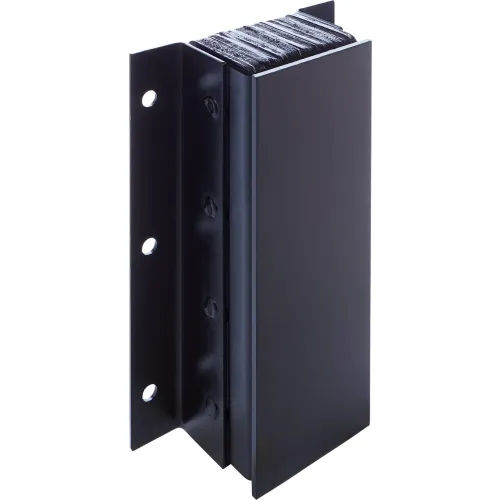 Steel-Faced Laminated Rubber Bumper: 5 Field Problems Buyers Keep Finding After Installation
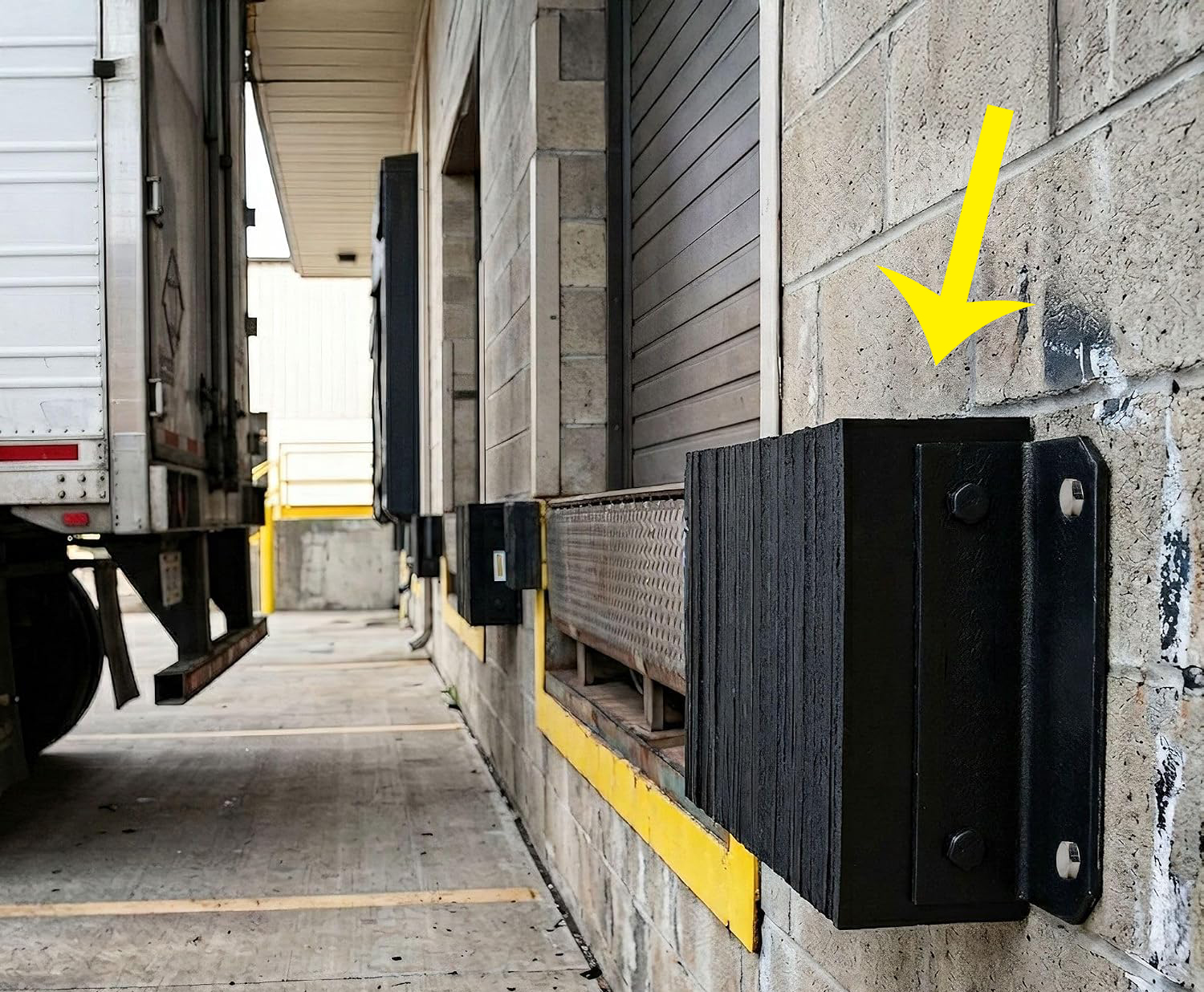 Rubber Laminated Loading Dock Bumper with Steel Angle: 5 Field Failure Signs That Point Back to the RFQ
 Bridge Bearing Pad Field Failure: 5 Visual Signs Before It Retires (And What Caused It)
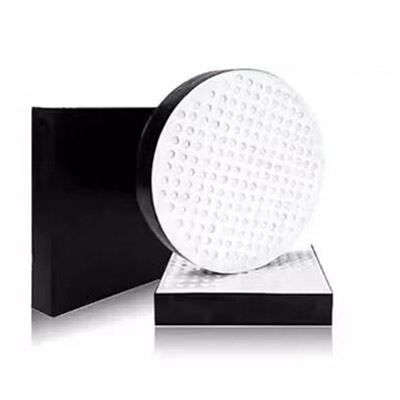 Bridge Bearing Pad RFQ Checklist: 9 Lines That Stop Suppliers From Subbing the Rubber