
In the vast landscape of modern manufacturing, rubber plugs might seem like a mundane and insignificant component. However, their production, though often overlooked, carries significant environmental implications. These small, unassuming items, used in everything from automotive parts to plumbing systems, play a crucial role in sealing and protecting various devices and machinery. As the demand for rubber plugs continues to grow, so does the need to scrutinize the environmental footprint of their production process. This article delves into the various stages of rubber plug manufacturing and examines the associated environmental impacts, highlighting areas where improvements can be made.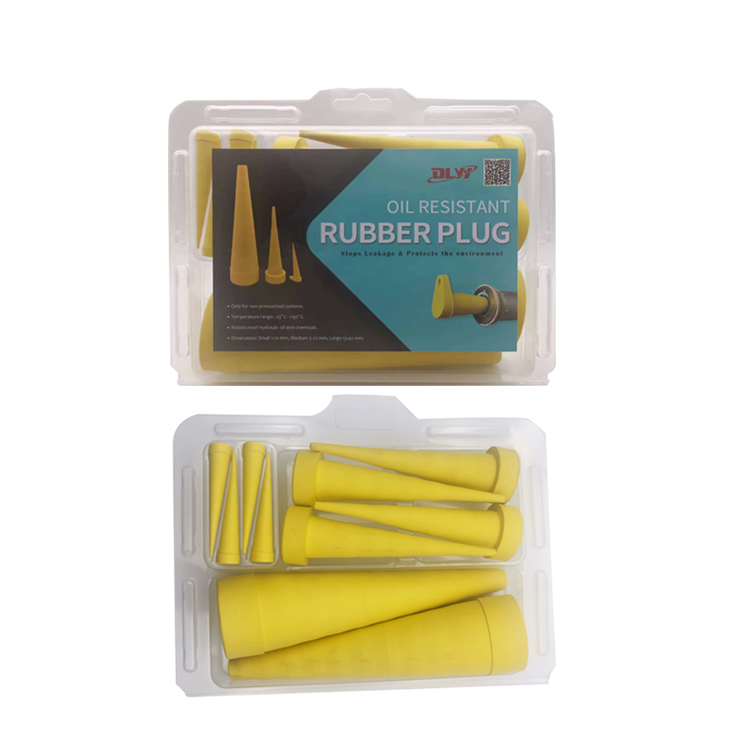
Raw Material Extraction
The journey of a rubber plug begins with the extraction of raw materials. Natural rubber, primarily sourced from rubber trees (Hevea brasiliensis), is one of the most common materials used. While natural rubber is renewable and biodegradable, its cultivation can lead to deforestation and habitat loss if not managed sustainably. In regions where rubber plantations are established, native forests are often cleared, disrupting ecosystems and threatening biodiversity. Additionally, the use of pesticides and fertilizers in rubber cultivation can contribute to soil and water pollution.
On the other hand, synthetic rubbers, such as styrene-butadiene rubber (SBR) or nitrile rubber (NBR), are derived from petroleum-based products. The extraction and refining of petroleum are energy-intensive processes that emit greenhouse gases, contribute to air pollution, and involve significant environmental risks, including oil spills and habitat destruction. The production of synthetic rubbers also generates waste by-products that require proper disposal to avoid further environmental harm.
Material Processing
Once the raw materials are obtained, they undergo processing to transform them into the rubber compound suitable for plug manufacturing. This process involves mixing the rubber with various additives, such as vulcanizing agents, accelerators, antioxidants, and fillers, to enhance its properties. The mixing and vulcanization processes can be energy-consuming, particularly when heat and pressure are applied.
Vulcanization, a critical step in rubber processing, improves the rubber's durability, elasticity, and resistance to heat and chemicals. However, it also generates volatile organic compounds (VOCs) and other emissions that can contribute to air pollution if not adequately controlled. Furthermore, the waste generated during cutting, trimming, and molding operations can be substantial, requiring proper waste management strategies to minimize environmental impact.
Manufacturing and Assembly
The actual production of rubber plugs involves molding the rubber compound into the desired shape and size. Injection molding and compression molding are common techniques used in this process. Injection molding, in particular, is highly efficient but requires significant energy to operate the molding machines and maintain the necessary temperatures.
In addition to energy consumption, the manufacturing process generates waste in the form of scrap rubber, sprues, and runners. These by-products can be recycled to some extent, but a portion may end up in landfills, contributing to waste accumulation and potential environmental contamination. Moreover, the use of lubricants and release agents in the molding process can pose additional environmental challenges if not managed properly.
Packaging and Distribution
After production, rubber plugs are packaged for distribution and sale. Packaging materials, such as plastic bags, cardboard boxes, and pallets, contribute to the overall environmental footprint of the product. Plastic packaging, in particular, is a major concern due to its non-biodegradable nature and the pollution it causes when not disposed of responsibly.
The distribution of rubber plugs involves transportation, which contributes to greenhouse gas emissions. Whether by road, rail, sea, or air, each mode of transportation has its environmental impact. Road transportation, for example, emits carbon dioxide and other pollutants, while air transportation has a higher carbon footprint per kilogram of goods transported. Reducing transportation distances and optimizing logistics can help mitigate these emissions.
End-of-Life Considerations
The environmental impact of rubber plugs extends beyond their production and distribution. The end-of-life management of these products is equally important. Rubber plugs, particularly those made from natural rubber, can be recycled or composted under certain conditions. However, the recycling rate for rubber products is relatively low compared to other materials, and contamination with other materials can make recycling challenging.
Synthetic rubber plugs, on the other hand, pose more significant end-of-life challenges due to their petroleum-based origin. Incineration of rubber products can release harmful gases and particulates into the atmosphere, while landfilling contributes to waste accumulation and potential leachate contamination of soil and groundwater.
Sustainable Practices in Rubber Plug Production
To mitigate the environmental impact of rubber plug production, manufacturers can adopt several sustainable practices. For natural rubber, promoting sustainable cultivation practices, such as agroforestry and reduced use of pesticides and fertilizers, can help protect biodiversity and soil health. For synthetic rubbers, researching and developing bio-based or recycled alternatives can reduce reliance on petroleum-based raw materials.
In processing and manufacturing, optimizing energy use through efficient machinery and renewable energy sources, such as solar or wind power, can significantly reduce greenhouse gas emissions. Implementing waste reduction strategies, such as recycling scrap rubber and minimizing packaging waste, can also contribute to a more sustainable production process.
Furthermore, improving end-of-life management through enhanced recycling programs and promoting the use of biodegradable or compostable packaging can help reduce the environmental footprint of rubber plugs throughout their entire lifecycle.
The production of rubber plugs, though seemingly insignificant, has a considerable environmental impact. From raw material extraction to end-of-life management, each stage of the production process carries its own set of environmental challenges. By adopting sustainable practices and innovating new solutions, manufacturers can reduce the environmental footprint of rubber plugs and contribute to a more sustainable future. As consumers become increasingly aware of the environmental impact of the products they use, the demand for sustainably produced rubber plugs is likely to grow, driving the industry towards more environmentally responsible practices.
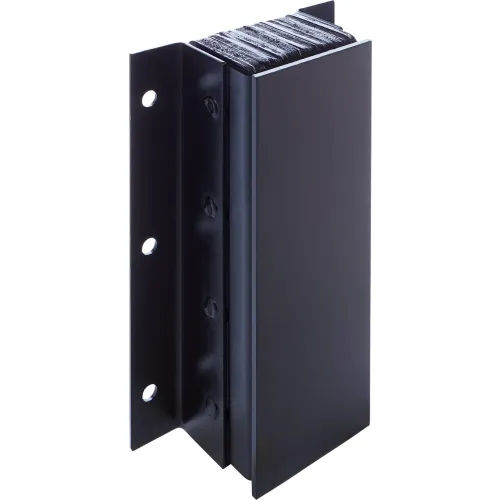 Steel-Faced Laminated Rubber Bumper: 5 Field Problems Buyers Keep Finding After Installation
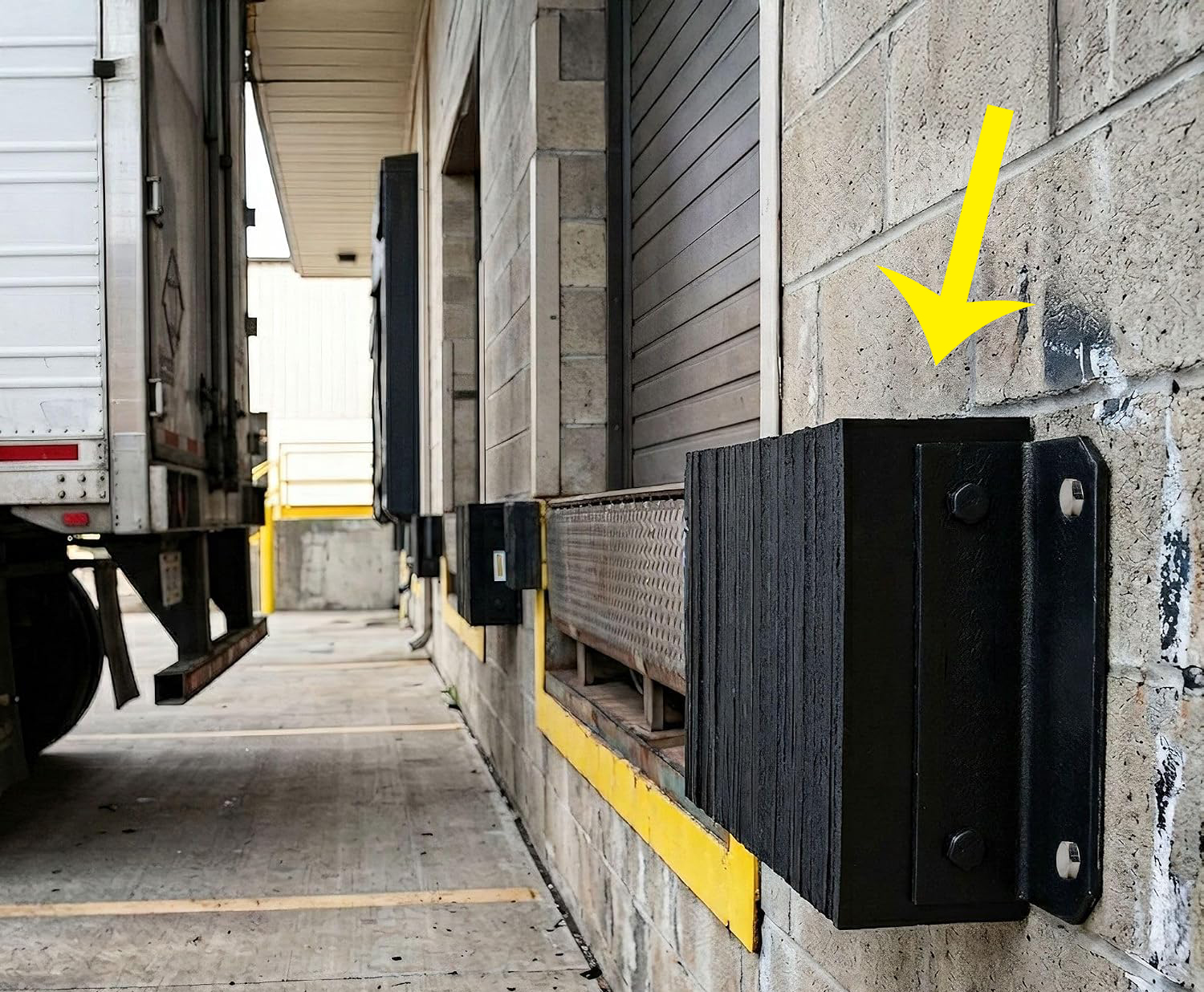 Rubber Laminated Loading Dock Bumper with Steel Angle: 5 Field Failure Signs That Point Back to the RFQ
 Bridge Bearing Pad Field Failure: 5 Visual Signs Before It Retires (And What Caused It)
 Bridge Bearing Pad RFQ Checklist: 9 Lines That Stop Suppliers From Subbing the Rubber