
Installing a hub oil seal might seem like a straightforward task, but doing it correctly is crucial for preventing leaks, protecting internal components, and ensuring the longevity of your vehicle’s wheel assembly. A poorly installed seal can lead to costly repairs, unsafe driving conditions, and unnecessary downtime. Whether you’re a seasoned DIY enthusiast or a novice tackling your first maintenance project, understanding the proper steps and techniques will save you time, money, and frustration. This guide breaks down the process into manageable steps, highlighting common pitfalls to avoid and offering practical tips for success.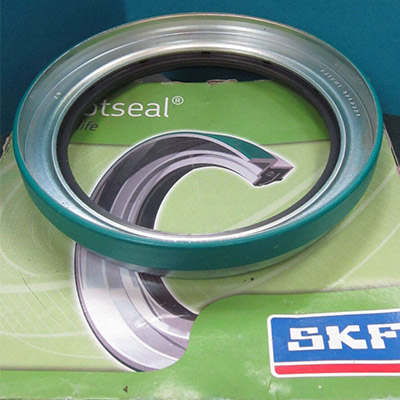
Understanding the Role of a Hub Oil Seal
Before diving into installation, it’s essential to grasp why the hub oil seal matters. This small but mighty component sits between the wheel hub and the axle, acting as a barrier against contaminants like dirt, water, and debris. It also prevents lubricants from leaking out, ensuring smooth rotation and reducing friction. Over time, seals can degrade due to heat, wear, or exposure to harsh elements, leading to leaks or failure. When replacing one, precision is key—even a minor misalignment can compromise its effectiveness.
Gathering the Right Tools and Materials
Preparation is half the battle. Start by assembling the necessary tools: a seal puller or screwdriver, a block of wood or a seal driver tool, a hammer, grease, and a clean cloth. Avoid using metal tools that could scratch the hub or axle, as these imperfections might prevent the new seal from sitting flush. Additionally, ensure you have the correct seal size for your vehicle’s make and model. Refer to the owner’s manual or consult a trusted mechanic if unsure.
Preparing the Workspace and Vehicle
Safety and cleanliness are paramount. Park the vehicle on a flat, stable surface and engage the parking brake. Use wheel chocks to prevent rolling. Next, remove the wheel to access the hub assembly. Clean the area around the hub and axle thoroughly, removing old grease, dirt, and debris. A dirty surface can embed particles under the new seal, causing premature wear. Inspect the hub and axle for signs of damage, such as grooves or corrosion, which may require repair before installation.
Removing the Old Seal
Carefully extract the damaged seal using a seal puller or a flathead screwdriver wrapped in cloth to avoid scratching surfaces. Gently pry the seal out, working evenly around its circumference to prevent bending or breaking. If the seal is stuck, apply penetrating oil and wait a few minutes before retrying. Once removed, discard the old seal properly—never reuse it, as even minor damage can lead to leaks.
Installing the New Seal
This step demands patience and attention to detail. Lubricate the inner lip of the new seal with a small amount of grease to ease installation and ensure a proper seal. Position the seal squarely over the hub, aligning it with the groove designed to hold it in place. Avoid tilting or distorting the seal, as this can create gaps for leaks.
To drive the seal home, use a block of wood or a seal driver tool that matches the seal’s diameter. Tap gently and evenly around the edge, applying consistent pressure until the seal sits flush with the hub. Never use a hammer directly on the seal, as this can crush or deform it. Double-check that the seal is seated correctly by running your finger along its edge—it should feel smooth and even.
Reassembling and Testing for Leaks
With the new seal in place, reassemble the wheel hub components in reverse order of removal. Tighten lug nuts to the manufacturer’s specifications using a torque wrench to avoid over- or under-tightening, which can stress the seal. Lower the vehicle and perform a test drive, followed by a visual inspection for leaks. Check the area around the hub for signs of oil or grease accumulation. If leaks persist, recheck the seal alignment or consult a professional for further diagnosis.
Common Mistakes to Avoid
Even experienced mechanics can make errors during installation. One frequent mistake is rushing the process, leading to misaligned seals or damaged components. Another is neglecting to clean surfaces thoroughly, which allows contaminants to compromise the seal. Over-tightening lug nuts or using excessive force when driving the seal can also cause issues. Finally, failing to use the correct seal size or type for the vehicle’s specifications is a recipe for failure. Taking your time and following each step methodically minimizes these risks.
When to Seek Professional Help
While DIY installations are rewarding, some situations warrant expert assistance. If the hub or axle shows significant wear, replacing the seal alone won’t solve the problem. Similarly, if leaks persist after installation, there may be underlying issues like a damaged bearing or misaligned axle. Professional mechanics have specialized tools and training to diagnose and address these complexities efficiently.
Conclusion
Installing a hub oil seal correctly requires a blend of preparation, precision, and patience. By understanding the seal’s purpose, gathering the right tools, and following each step carefully, you can protect your vehicle from leaks and extend the life of its components. Remember to prioritize cleanliness, avoid common pitfalls, and know when to call for backup. With these guidelines in mind, you’ll confidently tackle this maintenance task and keep your vehicle running smoothly for miles to come.
 How to Create a Proactive Spiral Hydraulic Hose Replacement Plan That Prevents Downtime?
 Is Your Hydraulic System Overstressing? 5 Diagnostic Signs You Need to Upgrade to Spiral Hose
 Is Your Hydraulic System Pushing Limits? When to Specify Spiral Hose vs. Braided?
 Is Your Machinery Demanding More? Why Upgrade to a Spiral Hydraulic Hose?