
Maintaining your vehicle’s hub oil seal area is crucial for ensuring smooth operation and preventing costly repairs. Over time, old grease and debris can accumulate around the hub oil seal, leading to reduced performance, leaks, or even mechanical failure. This comprehensive guide walks through the steps to effectively remove old grease from the hub oil seal area, ensuring your vehicle stays in peak condition. The process is straightforward, but attention to detail is key to achieving long-lasting results.
Gather the Right Tools and Materials
Before beginning the cleaning process, it’s essential to assemble the necessary tools and materials. Start by collecting a wire brush, a putty knife, a clean cloth, and a solvent-safe container. High-quality disposable gloves are recommended to protect your hands from chemicals and grease. Additionally, a degreaser designed for automotive applications will be necessary to break down stubborn grease buildup. Ensure the workspace is well-ventilated, as some solvents may emit fumes. Having all materials ready before starting will streamline the process and prevent interruptions.
Safety First: Protecting Yourself and the Environment
Safety should always be the top priority when working with chemicals and mechanical components. Wear protective eyewear to shield against splashes or debris. Long sleeves and closed-toe shoes are advisable to minimize skin exposure. When handling solvents, refer to the manufacturer’s safety guidelines to avoid improper use. Dispose of waste materials, such as used cloths or containers, according to local environmental regulations. Proper disposal prevents pollution and ensures compliance with safety standards.
Initial Inspection and Preparation
Begin by inspecting the hub oil seal area for visible signs of damage or excessive wear. Look for cracks, warping, or discoloration that may indicate underlying issues. If the seal appears compromised, consult a professional before proceeding. Once the area is deemed safe to clean, use the wire brush to gently remove loose debris and surface-level grease. This step prevents larger particles from scratching the surface during deeper cleaning. A putty knife can be used to carefully scrape away thicker grease layers without damaging the underlying metal.
Applying Degreaser and Deep Cleaning
After preparing the surface, apply the automotive degreaser evenly across the hub oil seal area. Allow the solution to sit for the recommended duration, as specified by the product instructions. This waiting period allows the degreaser to penetrate and break down stubborn grease. Use a clean cloth to wipe away the dissolved grease, working in circular motions to lift residue from crevices. For particularly stubborn areas, a soft-bristled brush can be used to agitate the grease without scratching the surface. Repeat the application and wiping process until the area is free of visible grease and residue.
Final Rinse and Drying Techniques
Once the grease has been removed, it’s important to thoroughly rinse the area to eliminate any remaining degreaser. Use a low-pressure water source to avoid forcing water into sensitive components. After rinsing, dry the area completely with a clean, lint-free cloth. Moisture left behind can lead to corrosion or attract new debris, undermining the cleaning efforts. Inspect the area again to ensure no residue remains, and allow it to air-dry if necessary. This step ensures the hub oil seal area is fully prepared for future maintenance or reassembly.
Preventative Maintenance for Long-Term Results
To maintain the cleanliness of the hub oil seal area, incorporate regular inspections into your vehicle maintenance routine. Check for signs of grease buildup or debris accumulation at least once every six months. Applying a light coat of fresh, high-quality grease after cleaning can help repel dirt and moisture, extending the time between deep cleanings. Avoid over-lubricating, as excess grease can attract contaminants and create new problems. Consistent maintenance reduces the risk of mechanical issues and prolongs the life of your vehicle.
Common Mistakes to Avoid
Many individuals make errors during the cleaning process that can compromise results or damage components. Using abrasive tools, such as steel wool or harsh scrapers, can scratch the surface and create entry points for corrosion. Overusing degreaser may leave a residue that attracts new grease, leading to faster accumulation. Skipping the drying step can trap moisture, causing rust or electrical issues in nearby components. Always follow product guidelines and prioritize gentle, methodical cleaning techniques.
When to Seek Professional Help
While this process can be completed independently, certain situations warrant professional assistance. If the hub oil seal shows signs of significant wear, such as cracks or deformities, a mechanic should evaluate and replace it. Persistent leaks or unusual noises after cleaning may indicate deeper mechanical issues requiring expert diagnosis. Additionally, if you’re uncomfortable with any step of the process, consulting a professional ensures safety and accuracy.
Maintaining a clean hub oil seal area is a simple yet critical aspect of vehicle care. By following these steps and prioritizing regular upkeep, you can prevent costly repairs, enhance performance, and extend the lifespan of your vehicle. Whether you’re a seasoned DIY enthusiast or new to automotive maintenance, this guide provides the knowledge needed to tackle this task with confidence. Regular attention to this often-overlooked area ensures your vehicle operates smoothly and reliably for years to come.How to Remove Old Grease from a Hub Oil Seal Area
Maintaining your vehicle’s hub oil seal area is crucial for ensuring smooth operation and preventing costly repairs. Over time, old grease and debris can accumulate around the hub oil seal, leading to reduced performance, leaks, or even mechanical failure. This comprehensive guide walks through the steps to effectively remove old grease from the hub oil seal area, ensuring your vehicle stays in peak condition. The process is straightforward, but attention to detail is key to achieving long-lasting results.
Gather the Right Tools and Materials
Before beginning the cleaning process, it’s essential to assemble the necessary tools and materials. Start by collecting a wire brush, a putty knife, a clean cloth, and a solvent-safe container. High-quality disposable gloves are recommended to protect your hands from chemicals and grease. Additionally, a degreaser designed for automotive applications will be necessary to break down stubborn grease buildup. Ensure the workspace is well-ventilated, as some solvents may emit fumes. Having all materials ready before starting will streamline the process and prevent interruptions.
Safety First: Protecting Yourself and the Environment
Safety should always be the top priority when working with chemicals and mechanical components. Wear protective eyewear to shield against splashes or debris. Long sleeves and closed-toe shoes are advisable to minimize skin exposure. When handling solvents, refer to the manufacturer’s safety guidelines to avoid improper use. Dispose of waste materials, such as used cloths or containers, according to local environmental regulations. Proper disposal prevents pollution and ensures compliance with safety standards.
Initial Inspection and Preparation
Begin by inspecting the hub oil seal area for visible signs of damage or excessive wear. Look for cracks, warping, or discoloration that may indicate underlying issues. If the seal appears compromised, consult a professional before proceeding. Once the area is deemed safe to clean, use the wire brush to gently remove loose debris and surface-level grease. This step prevents larger particles from scratching the surface during deeper cleaning. A putty knife can be used to carefully scrape away thicker grease layers without damaging the underlying metal.
Applying Degreaser and Deep Cleaning
After preparing the surface, apply the automotive degreaser evenly across the hub oil seal area. Allow the solution to sit for the recommended duration, as specified by the product instructions. This waiting period allows the degreaser to penetrate and break down stubborn grease. Use a clean cloth to wipe away the dissolved grease, working in circular motions to lift residue from crevices. For particularly stubborn areas, a soft-bristled brush can be used to agitate the grease without scratching the surface. Repeat the application and wiping process until the area is free of visible grease and residue.
Final Rinse and Drying Techniques
Once the grease has been removed, it’s important to thoroughly rinse the area to eliminate any remaining degreaser. Use a low-pressure water source to avoid forcing water into sensitive components. After rinsing, dry the area completely with a clean, lint-free cloth. Moisture left behind can lead to corrosion or attract new debris, undermining the cleaning efforts. Inspect the area again to ensure no residue remains, and allow it to air-dry if necessary. This step ensures the hub oil seal area is fully prepared for future maintenance or reassembly.
Preventative Maintenance for Long-Term Results
To maintain the cleanliness of the hub oil seal area, incorporate regular inspections into your vehicle maintenance routine. Check for signs of grease buildup or debris accumulation at least once every six months. Applying a light coat of fresh, high-quality grease after cleaning can help repel dirt and moisture, extending the time between deep cleanings. Avoid over-lubricating, as excess grease can attract contaminants and create new problems. Consistent maintenance reduces the risk of mechanical issues and prolongs the life of your vehicle.
Common Mistakes to Avoid
Many individuals make errors during the cleaning process that can compromise results or damage components. Using abrasive tools, such as steel wool or harsh scrapers, can scratch the surface and create entry points for corrosion. Overusing degreaser may leave a residue that attracts new grease, leading to faster accumulation. Skipping the drying step can trap moisture, causing rust or electrical issues in nearby components. Always follow product guidelines and prioritize gentle, methodical cleaning techniques.
When to Seek Professional Help
While this process can be completed independently, certain situations warrant professional assistance. If the hub oil seal shows signs of significant wear, such as cracks or deformities, a mechanic should evaluate and replace it. Persistent leaks or unusual noises after cleaning may indicate deeper mechanical issues requiring expert diagnosis. Additionally, if you’re uncomfortable with any step of the process, consulting a professional ensures safety and accuracy.
Maintaining a clean hub oil seal area is a simple yet critical aspect of vehicle care. By following these steps and prioritizing regular upkeep, you can prevent costly repairs, enhance performance, and extend the lifespan of your vehicle. Whether you’re a seasoned DIY enthusiast or new to automotive maintenance, this guide provides the knowledge needed to tackle this task with confidence. Regular attention to this often-overlooked area ensures your vehicle operates smoothly and reliably for years to come.
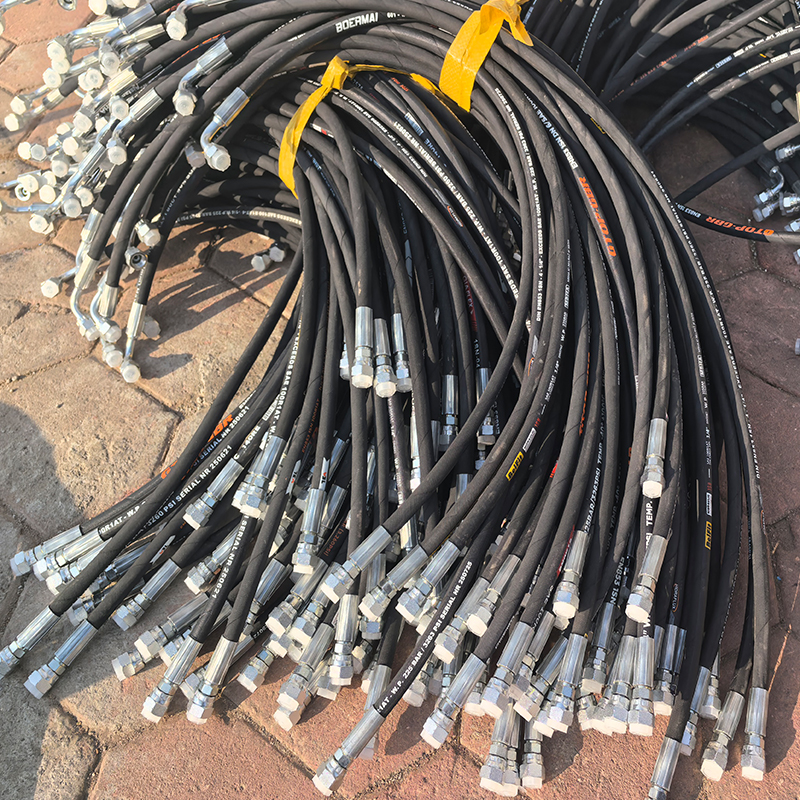 How to Create a Proactive Spiral Hydraulic Hose Replacement Plan That Prevents Downtime?
 Is Your Hydraulic System Overstressing? 5 Diagnostic Signs You Need to Upgrade to Spiral Hose
 Is Your Hydraulic System Pushing Limits? When to Specify Spiral Hose vs. Braided?
 Is Your Machinery Demanding More? Why Upgrade to a Spiral Hydraulic Hose?