
Rubber service plugs are essential components in industries ranging from automotive manufacturing to plumbing and construction. Designed to seal openings, prevent contamination, and protect internal systems during maintenance or storage, these versatile tools require proper care to ensure longevity and reliability. For businesses and individuals relying on rubber plugs, understanding maintenance best practices is key to avoiding premature wear, leaks, or failure. This guide explores practical strategies to keep rubber service plugs in optimal condition, extending their lifespan and performance.
Understanding the Role of Rubber Service Plugs
Before diving into maintenance, it’s important to grasp why rubber service plugs matter. These plugs act as temporary or permanent seals for pipes, holes, or machinery components. Their flexibility allows them to conform to irregular shapes, creating airtight or watertight barriers. Common applications include sealing fuel tank openings, protecting threaded holes during painting, or blocking debris in HVAC systems. Without proper maintenance, rubber plugs can harden, crack, or lose elasticity, compromising their ability to function effectively.
Storage Matters: Protecting Plugs from Environmental Damage
One of the most overlooked aspects of maintaining rubber service plugs is proper storage. Exposure to extreme temperatures, sunlight, or chemicals can degrade rubber over time. To preserve their integrity:
Avoid direct sunlight: UV rays accelerate rubber breakdown, leading to brittleness. Store plugs in opaque containers or shaded areas.
Control temperature: Extreme cold can make rubber stiff, while heat may cause it to warp. Aim for a stable, room-temperature environment.
Keep away from chemicals: Ozone, oils, and solvents can react with rubber. Store plugs separately from cleaning agents or industrial chemicals.
A dedicated storage bin or drawer with labeled compartments ensures plugs remain organized and protected.
Regular Inspection: Identifying Wear and Tear Early
Even with careful storage, rubber service plugs should be inspected periodically for signs of damage. Common indicators include:
Cracks or splits: Small fissures can grow over time, rendering the plug ineffective.
Discoloration: Fading or yellowing may signal chemical exposure or aging.
Loss of elasticity: If a plug no longer returns to its original shape after compression, it’s time to replace it.
Set a monthly or quarterly schedule for inspections, especially for plugs used in critical systems. Early detection prevents costly leaks or equipment damage down the line.
Cleaning Techniques: Removing Dirt and Contaminants
Dirt, grease, or residual chemicals can compromise the seal of a rubber plug. Cleaning is straightforward but requires care to avoid damaging the material:
Use mild soap and water: A soft cloth or sponge with dish soap is sufficient for most grime. Avoid abrasive scrubbers.
Rinse thoroughly: Leftover soap can attract debris or react with the rubber.
Dry completely: Moisture trapped in crevices may promote mold growth. Air-dry plugs horizontally to prevent deformation.
For stubborn residues, a diluted solution of isopropyl alcohol can be used sparingly. Always test on a small area first.
Lubrication: When and How to Apply It
While not all rubber plugs require lubrication, certain applications benefit from a light coating to ease installation and reduce friction. Silicone-based lubricants are ideal because they don’t degrade rubber over time. Apply a thin layer to the plug’s surface before inserting it into a hole or fitting. Avoid petroleum-based products, as they can cause swelling or cracking.
Pro Tip: If a plug feels sticky or resistant during installation, lubrication may resolve the issue without forcing it, which could lead to tears.
Avoiding Common Mistakes That Shorten Lifespan
Even with good intentions, users often make errors that hasten rubber plug deterioration. Common pitfalls include:
Overstretching: Pulling a plug beyond its elastic limit can cause permanent damage.
Using the wrong size: An ill-fitting plug may not seal properly, leading to leaks or excessive pressure.
Ignoring application guidelines: Some plugs are designed for specific temperatures or pressures. Consult manufacturer recommendations when in doubt.
By respecting the material’s limits, users can maximize the plug’s functional life.
When to Replace Rubber Service Plugs
No rubber product lasts forever. Even with meticulous care, plugs will eventually reach the end of their usable life. Signs it’s time for a replacement include:
Persistent leaks: If a plug no longer creates a tight seal despite proper installation.
Visible deterioration: Cracks, tears, or hardening are clear red flags.
Frequent maintenance needs: Requiring constant cleaning or lubrication suggests the plug is past its prime.
Proactively replacing aging plugs reduces the risk of sudden failures in critical systems.
Conclusion: Proactive Care Ensures Reliability
Rubber service plugs are simple yet vital tools that demand minimal effort to maintain. By storing them correctly, inspecting regularly, cleaning gently, and avoiding common mistakes, users can significantly extend their lifespan. Whether protecting machinery during off-seasons or sealing components in daily operations, well-maintained rubber plugs offer peace of mind and cost savings.
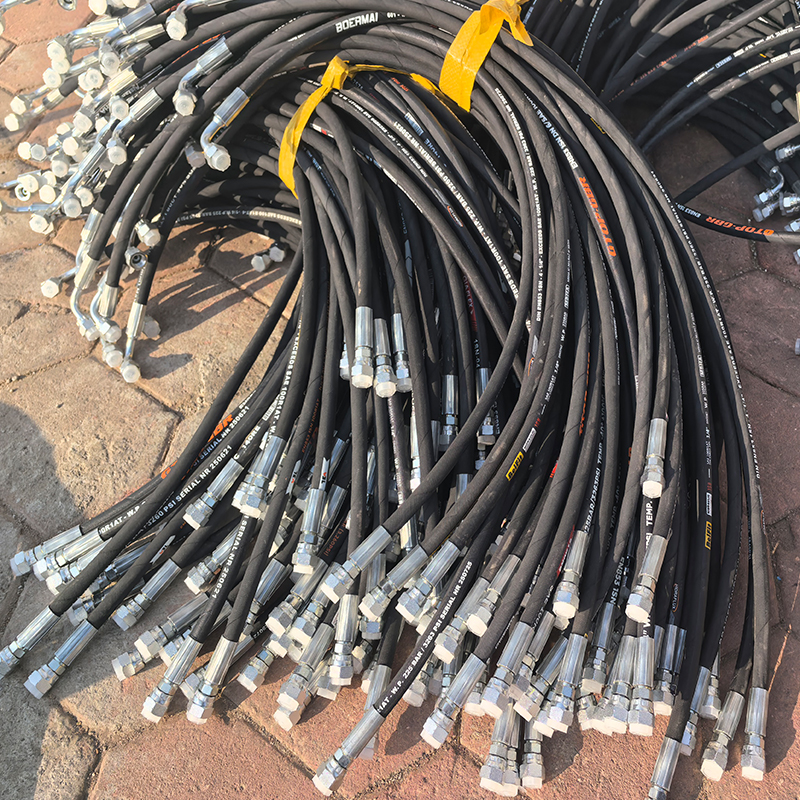 How to Create a Proactive Spiral Hydraulic Hose Replacement Plan That Prevents Downtime?
 Is Your Hydraulic System Overstressing? 5 Diagnostic Signs You Need to Upgrade to Spiral Hose
 Is Your Hydraulic System Pushing Limits? When to Specify Spiral Hose vs. Braided?
 Is Your Machinery Demanding More? Why Upgrade to a Spiral Hydraulic Hose?