
The automotive industry thrives on precision, durability, and adaptability. From engine components to interior finishes, every part must meet stringent standards for safety, performance, and longevity. Among the unsung heroes of automotive design are rubber service plugs—versatile components that play a critical role in protecting, sealing, and maintaining vehicles. But can these unassuming rubber plugs truly hold their own in the demanding world of automotive applications? Let’s explore their versatility, benefits, and real-world uses.
Why Rubber Plugs Are Essential in Automotive Design
Rubber service plugs are engineered to solve a fundamental challenge in automotive manufacturing: protecting exposed ports, holes, or threads during assembly, shipping, or maintenance. These plugs act as temporary or permanent barriers, preventing contaminants like dust, moisture, and debris from entering sensitive areas. For example, during vehicle assembly, manufacturers often leave openings for wiring, fuel lines, or sensors. Without proper sealing, these gaps could compromise the vehicle’s integrity. Rubber plugs provide a cost-effective, reliable solution to keep systems clean until final installation.
Their flexibility also allows them to conform to irregular shapes, ensuring a tight seal even in uneven or oversized holes. This adaptability is invaluable in automotive design, where components must withstand vibrations, temperature fluctuations, and exposure to chemicals.
Sealing Solutions for Engine and Fluid Systems
One of the most critical applications of rubber plugs in automotive settings is sealing engine components and fluid systems. Engines generate extreme heat and pressure, requiring materials that won’t degrade or lose elasticity. High-quality rubber plugs are designed to resist oils, coolants, and fuels, maintaining their seal even under prolonged exposure.
For instance, during engine maintenance, technicians often remove sensors or valves, leaving threaded holes vulnerable. A rubber service plug can temporarily seal these openings, preventing leaks or contamination. Similarly, in fuel systems, plugs protect unused ports during storage or transportation, reducing the risk of fuel evaporation or debris ingress.
Protecting Electrical Components from Environmental Damage
Modern vehicles rely heavily on electrical systems, from advanced infotainment units to sensor networks. These components are sensitive to moisture, dust, and physical damage, making protection essential. Rubber plugs excel in safeguarding electrical connectors, ports, and wiring harnesses.
During manufacturing, vehicles may sit in storage yards or travel long distances before reaching dealerships. Without proper sealing, connectors could corrode, leading to malfunctions. Rubber plugs create a barrier against humidity and particulates, ensuring electrical systems remain intact. Even in everyday use, plugs can shield charging ports or diagnostic interfaces from road grime or accidental spills.
Noise Reduction and Vibration Dampening
Automotive interiors prioritize comfort, which means minimizing noise and vibrations. Rubber plugs contribute to this goal by filling gaps or hollow spaces that could amplify sound. For example, dashboards, door panels, and trunk liners often feature pre-drilled holes for future modifications or accessories. If left uncovered, these holes can create rattles or allow wind noise to seep into the cabin.
By inserting rubber plugs, manufacturers reduce unwanted vibrations and enhance acoustic insulation. This attention to detail elevates the driving experience, demonstrating how even small components can significantly impact overall quality.
Customization for Unique Automotive Challenges
The automotive industry is rarely one-size-fits-all. Vehicles range from compact cars to heavy-duty trucks, each with distinct design requirements. Rubber service plugs shine in their ability to be customized for specific applications. Manufacturers can produce plugs in varying sizes, shapes, and durometers (hardness levels) to match precise needs.
For example, a plug designed for a motorcycle’s air intake system might prioritize lightweight flexibility, while a plug for a truck’s differential housing would need to withstand higher pressure and temperature. Custom molding ensures compatibility with unique geometries, reducing the need for multiple part numbers or makeshift solutions.
Sustainability and Longevity in Automotive Use
As the automotive industry shifts toward sustainability, rubber plugs offer an eco-friendly advantage. Many are made from recyclable materials or synthetic rubbers that reduce environmental impact. Their durability also means they can be reused multiple times, cutting down on waste.
In electric vehicles (EVs), where battery systems demand impeccable sealing, rubber plugs play a vital role in maintaining thermal management and preventing moisture ingress. Their longevity ensures they remain effective throughout the vehicle’s lifespan, aligning with global trends toward reduced maintenance and longer product cycles.
Conclusion: The Unsung Heroes of Automotive Reliability
From protecting engines to enhancing cabin comfort, rubber service plugs are indispensable in automotive applications. Their ability to seal, cushion, and customize makes them a go-to solution for manufacturers and technicians alike. While often overlooked, these components embody the principles of reliability and innovation that drive the industry forward.
As automotive technology evolves, so too will the demands placed on materials like rubber. Yet, one thing remains clear: the humble rubber plug will continue to play a quiet but crucial role in keeping vehicles safe, efficient, and comfortable for years to come. Whether in traditional combustion engines or cutting-edge EVs, its versatility ensures it will always have a place under the hood—and beyond.
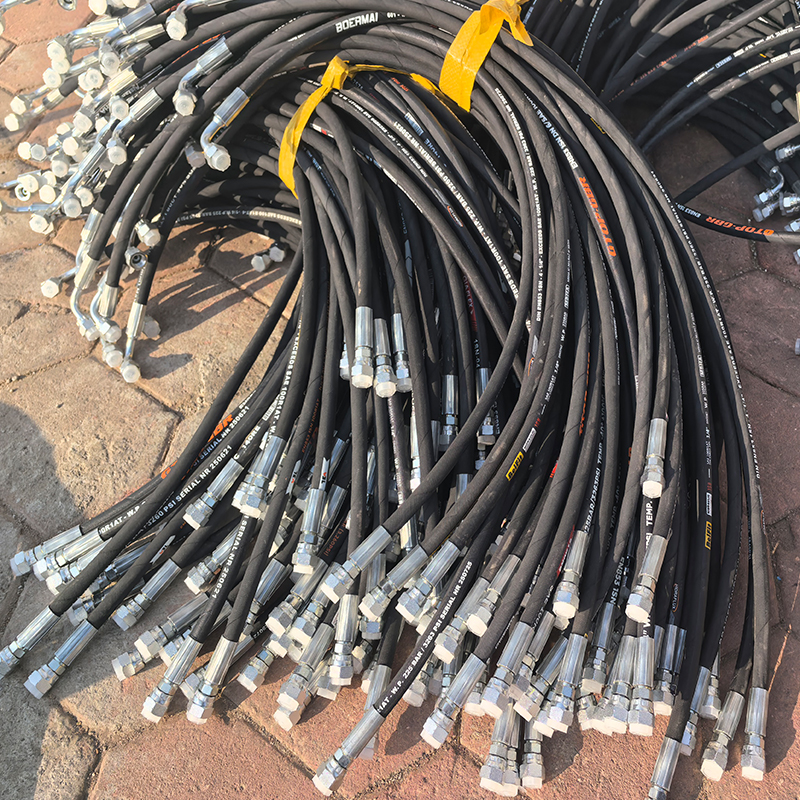 How to Create a Proactive Spiral Hydraulic Hose Replacement Plan That Prevents Downtime?
 Is Your Hydraulic System Overstressing? 5 Diagnostic Signs You Need to Upgrade to Spiral Hose
 Is Your Hydraulic System Pushing Limits? When to Specify Spiral Hose vs. Braided?
 Is Your Machinery Demanding More? Why Upgrade to a Spiral Hydraulic Hose?