
Rubber waterstops are essential components in construction, particularly in structures requiring waterproofing, such as basements, tunnels, dams, and retaining walls. These flexible barriers prevent water infiltration by sealing joints and gaps between concrete sections. However, their effectiveness depends on proper installation, maintenance, and care. Neglecting these elements can lead to premature deterioration, leaks, and costly repairs. This article explores practical strategies to extend the lifespan of rubber waterstops, ensuring they perform optimally for decades.
Understanding the Role of Rubber Waterstops
Before diving into maintenance tips, it’s crucial to grasp why rubber waterstops matter. Unlike rigid materials, rubber waterstops adapt to structural movements caused by temperature fluctuations, seismic activity, or soil settlement. Their flexibility allows them to absorb stress without cracking, making them ideal for dynamic environments.
However, rubber is susceptible to environmental factors like UV exposure, chemicals, and physical damage. Over time, these stressors can cause hardening, shrinking, or cracking, compromising their waterproofing ability. Regular maintenance mitigates these risks, preserving the waterstop’s integrity and the structure’s safety.
Proper Installation: The Foundation of Longevity
The first step to ensuring a rubber waterstop’s longevity begins during installation. Even the highest-quality material will fail if installed incorrectly. Here’s what contractors and builders should prioritize:
Surface Preparation: The concrete surface where the waterstop is placed must be clean, dry, and free of debris. Loose particles or moisture can prevent proper bonding, leading to gaps where water can seep through.
Correct Positioning: Waterstops should be centered within the concrete joint to allow equal movement on both sides. Misalignment can cause uneven stress, accelerating wear.
Secure Fixing: Use approved adhesives or mechanical fasteners to hold the waterstop in place during concrete pouring. Movement during placement can dislodge it, rendering it ineffective.
Avoiding Kinks or Twists: The waterstop must remain straight and unobstructed. Folds or twists create weak points where water can penetrate.
By adhering to these practices, the waterstop starts its lifespan with minimal stress, setting the stage for durability.
Protecting Against Environmental Factors
Rubber waterstops are often exposed to harsh conditions that degrade their material over time. Here’s how to shield them from common threats:
UV Exposure: Prolonged sunlight exposure can cause rubber to become brittle. If the waterstop is in an above-ground location, consider applying a UV-resistant coating or covering it with a protective layer during construction.
Chemical Resistance: In environments where the waterstop may contact oils, acids, or solvents, opt for chemically resistant rubber compounds like nitrile or EPDM. Regular inspections for chemical spills and immediate cleanup can prevent irreversible damage.
Temperature Fluctuations: Extreme heat or cold can cause rubber to expand or contract. While waterstops are designed to handle such movements, sudden or excessive temperature changes may hasten wear. Insulating the structure or using thermal barriers can help stabilize the environment.
Regular Inspections and Early Detection
Prevention is always better than cure. Routine inspections allow maintenance teams to catch issues before they escalate. Here’s what to look for:
Physical Damage: Check for cuts, tears, or punctures caused by construction debris, tools, or vandalism. Even small nicks can grow into larger cracks under pressure.
Signs of Aging: Discoloration, hardening, or powdering (known as “chalking”) indicate the rubber is deteriorating. These changes reduce flexibility and water resistance.
Adhesion Failures: Ensure the waterstop remains bonded to the concrete. Gaps or separation suggest the adhesive has failed, requiring immediate repair.
Schedule inspections at least twice a year, or more frequently in high-risk environments like coastal areas or industrial zones.
Cleaning and Maintenance Practices
Keeping the waterstop clean and debris-free extends its lifespan. Here’s how to maintain it properly:
Remove Debris: Dirt, leaves, or construction residue can accumulate around the waterstop, trapping moisture and promoting mold growth. Use a soft brush or low-pressure washer to clean the area gently.
Avoid Harsh Chemicals: Never use abrasive cleaners or solvents that could degrade the rubber. Mild soap and water are usually sufficient for routine cleaning.
Lubrication (If Applicable): In movable joints, applying a silicone-based lubricant to the waterstop’s surface can reduce friction and wear. However, consult the manufacturer’s guidelines first, as some waterstops may not require lubrication.
Repairing Damaged Waterstops Promptly
No matter how well-maintained, waterstops may eventually sustain damage. Prompt repairs are critical to preventing leaks. Here’s how to address common issues:
Small Cracks or Holes: For minor damage, use a rubber patch kit designed for waterstops. Clean the area thoroughly, apply adhesive, and press the patch firmly into place. Allow it to cure as per the instructions.
Large Tears or Separations: Extensive damage may require replacing the affected section. Consult a professional to ensure the repair meets structural and safety standards.
Adhesive Failures: If the waterstop detaches from the concrete, reapply a compatible adhesive and secure it with clamps until it bonds.
Never ignore signs of damage, as even minor leaks can lead to structural corrosion or mold growth.
Upgrading or Replacing Aging Waterstops
All rubber waterstops have a finite lifespan, typically 20–30 years, depending on environmental conditions and maintenance. When is it time to consider an upgrade?
Frequent Repairs: If repairs become a recurring task, the waterstop may have reached the end of its usable life.
Advanced Aging: Rubber that feels stiff, brittle, or excessively soft indicates irreversible degradation.
Technological Advancements: Newer waterstop materials, such as thermoplastic vulcanizates (TPVs), offer enhanced durability and chemical resistance. Upgrading could provide long-term cost savings.
When replacing a waterstop, prioritize high-quality materials and hire experienced professionals to ensure proper installation.
Conclusion
Maintaining the longevity of rubber waterstops requires a proactive approach, from meticulous installation to regular inspections and timely repairs. By understanding the material’s vulnerabilities and implementing preventive measures, property owners and facility managers can safeguard their structures against water damage for decades. Remember, a well-maintained waterstop isn’t just a cost-saver—it’s a critical component of a structure’s safety and resilience.
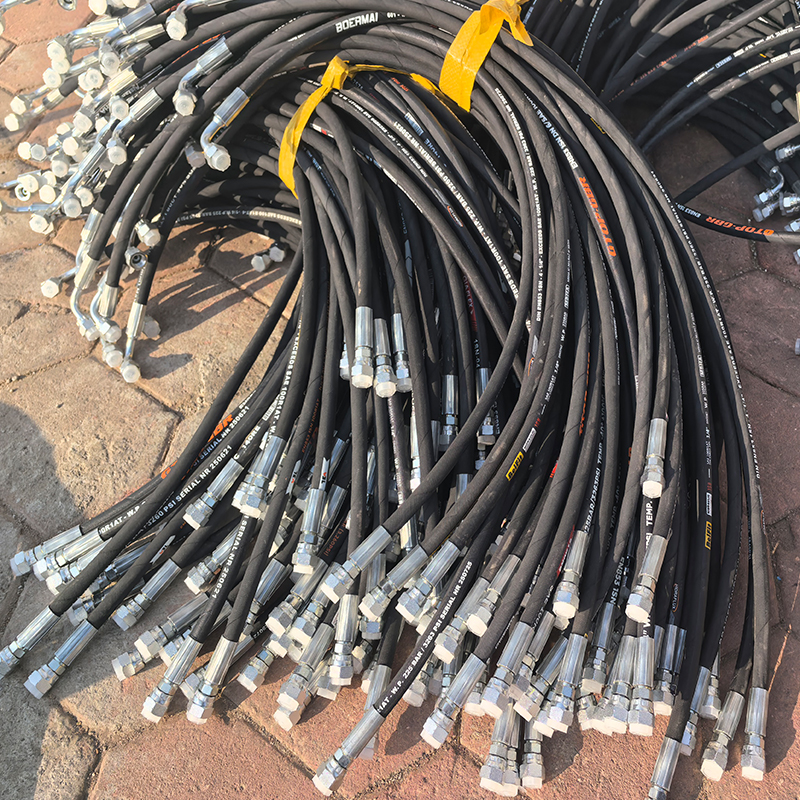 How to Create a Proactive Spiral Hydraulic Hose Replacement Plan That Prevents Downtime?
 Is Your Hydraulic System Overstressing? 5 Diagnostic Signs You Need to Upgrade to Spiral Hose
 Is Your Hydraulic System Pushing Limits? When to Specify Spiral Hose vs. Braided?
 Is Your Machinery Demanding More? Why Upgrade to a Spiral Hydraulic Hose?