
In environments where radioactivity is present, the selection of materials and components becomes critically important. Rubber plugs, though seemingly simple devices, play a vital role in sealing and protecting various systems and equipment from contamination. The task of selecting the right rubber plug for radioactive environments involves a comprehensive understanding of the unique challenges posed by radioactivity, as well as the properties of different rubber materials. This article aims to provide a detailed guide on how to select rubber plugs suitable for such demanding conditions.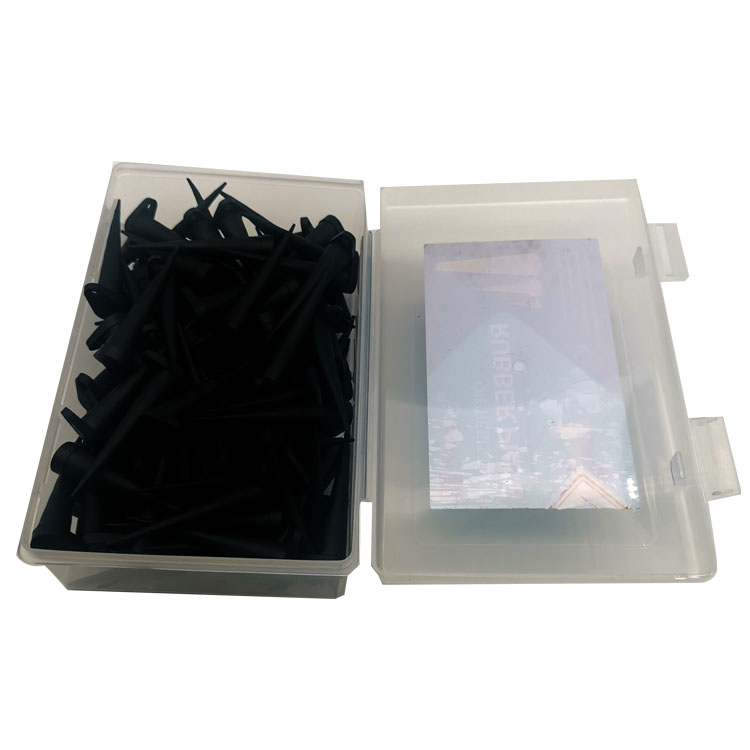
Understanding Radioactive Environments
Radioactive environments can be found in various settings, including nuclear power plants, research facilities, and medical institutions that use radioactive materials. These environments are characterized by the presence of ionizing radiation, which can have detrimental effects on materials over time. Ionizing radiation can cause materials to degrade, lose their elasticity, or even become brittle. Therefore, when selecting rubber plugs for these environments, it is essential to consider materials that can withstand radiation exposure without compromising their performance.
Key Properties to Consider
When evaluating rubber materials for use in radioactive environments, several key properties must be taken into account:
Radiation Resistance: The ability of a rubber material to maintain its physical and chemical properties after exposure to ionizing radiation is paramount. Some rubbers, such as certain grades of silicone and EPR (ethylene propylene rubber), exhibit good radiation resistance and can be suitable for these applications.
Chemical Compatibility: Radioactive environments may also contain various chemicals, such as coolants, lubricants, or cleaning agents. The selected rubber material must be compatible with these chemicals to avoid degradation or swelling.
Temperature Resistance: Radioactive systems can operate at a wide range of temperatures. The rubber plug must be able to maintain its sealing properties over the expected temperature range without hardening or softening excessively.
Mechanical Properties: The rubber plug should have adequate tensile strength, elongation, and compression set resistance to withstand the mechanical stresses it may encounter during installation and operation.
Durability: In addition to radiation resistance, the rubber material should have good aging resistance to ensure long-term performance in a radioactive environment.
Types of Rubber Materials
Several types of rubber materials are commonly considered for use in radioactive environments. Each has its own set of advantages and limitations:
Silicone Rubber: Known for its excellent heat resistance, silicone rubber can operate at high temperatures without losing its elasticity. It also has good radiation resistance and chemical stability, making it a popular choice for radioactive applications. However, silicone rubber can be relatively expensive and may not be suitable for all budget constraints.
EPR (Ethylene Propylene Rubber): EPR is a synthetic rubber with good resistance to heat, ozone, and weathering. It also exhibits fair radiation resistance and can be a cost-effective alternative to silicone rubber in some applications. However, EPR may not have the same level of chemical resistance as silicone.
NBR (Nitrile Butadiene Rubber): NBR is a versatile rubber material with good oil and fuel resistance. It is commonly used in sealing applications where contact with hydrocarbons is expected. While NBR has some radiation resistance, it may not be as durable as silicone or EPR in high-radiation environments.
FKM (Fluoroelastomers): FKM rubbers, such as Viton, offer excellent resistance to high temperatures, chemicals, and oils. They are known for their outstanding durability and performance in harsh environments. Although FKM rubbers can have good radiation resistance, their cost can be a limiting factor in some applications.
Selection Process
The selection of a rubber plug for a radioactive environment involves a systematic approach that considers the specific requirements of the application:
Identify the Application Requirements: Begin by understanding the operating conditions of the system where the rubber plug will be used. This includes the expected radiation levels, temperature range, chemicals present, and any mechanical stresses the plug may encounter.
Evaluate Material Properties: Based on the application requirements, evaluate the properties of different rubber materials. Consider factors such as radiation resistance, chemical compatibility, temperature resistance, mechanical properties, and durability.
Consult Material Data Sheets: Material data sheets (MDS) provide detailed information on the properties and performance of rubber materials. Review the MDS for each candidate material to ensure it meets the application requirements.
Consider Cost and Availability: While performance is crucial, cost and availability are also important factors. Evaluate the cost-effectiveness of each material and consider its availability in the required sizes and shapes.
Test and Validate: Before finalizing the selection, it is advisable to test the candidate materials in a controlled environment that simulates the actual operating conditions. This can help validate the material's performance and ensure it meets the application requirements.
Consult with Experts: If uncertainty persists, consult with materials experts or suppliers who specialize in rubber materials for radioactive environments. They can provide valuable insights and recommendations based on their experience and expertise.
Selecting the right rubber plug for radioactive environments is a complex task that requires a thorough understanding of the application requirements and the properties of different rubber materials. By considering factors such as radiation resistance, chemical compatibility, temperature resistance, mechanical properties, and durability, and by following a systematic selection process, it is possible to identify the most suitable rubber material for the application.
Remember, the choice of rubber plug can significantly impact the performance and safety of the system it is sealing. Therefore, it is essential to take the time to carefully evaluate the options and make an informed decision. With the right rubber plug in place, you can ensure the integrity and reliability of your system in a radioactive environment.
 How to Create a Proactive Spiral Hydraulic Hose Replacement Plan That Prevents Downtime?
 Is Your Hydraulic System Overstressing? 5 Diagnostic Signs You Need to Upgrade to Spiral Hose
 Is Your Hydraulic System Pushing Limits? When to Specify Spiral Hose vs. Braided?
 Is Your Machinery Demanding More? Why Upgrade to a Spiral Hydraulic Hose?