
Rubber plugs are essential components in various industrial, mechanical, and everyday applications, serving as reliable seals to prevent fluid or gas leakage. The versatility of rubber plugs makes them suitable for both high-pressure and low-pressure environments, each requiring distinct characteristics and performance criteria. This article delves into the comparisons between rubber plugs designed for high-pressure and low-pressure applications, focusing on material composition, design considerations, durability, and specific use cases.
Material Composition: The Foundation of Performance
The choice of rubber material significantly influences the suitability of a plug for high or low-pressure applications. High-pressure rubber plugs typically utilize materials with superior tensile strength, elasticity, and resistance to deformation under pressure. Elastomers such as nitrile rubber (NBR), ethylene propylene diene monomer (EPDM), and fluoroelastomers (FKM) are commonly employed due to their ability to withstand high pressures without compromising the seal.
Nitrile rubber, known for its oil resistance and moderate temperature tolerance, is often the go-to choice for high-pressure applications where exposure to oils and greases is likely. EPDM, on the other hand, offers excellent weather resistance and can handle a wide temperature range, making it suitable for high-pressure environments that experience temperature fluctuations. Fluoroelastomers are favored in extreme conditions, providing resistance to chemicals, high temperatures, and high pressures, making them ideal for demanding industrial applications.
In contrast, low-pressure rubber plugs can utilize a broader range of materials since the pressure requirements are less stringent. Natural rubber (NR) and styrene-butadiene rubber (SBR) are frequently used in low-pressure applications due to their good elasticity, abrasion resistance, and cost-effectiveness. These materials may not possess the same level of pressure resistance as their high-pressure counterparts, but they offer adequate sealing properties for applications where pressure is minimal or moderate.
Design Considerations: Tailoring for Pressure
The design of rubber plugs differs significantly between high and low-pressure applications. High-pressure plugs are engineered with precision to ensure a tight and secure fit, often featuring reinforced lips, thicker walls, or specialized groove patterns to enhance sealing capabilities. The design must account for the potential for material extrusion under high pressure, where the rubber can be forced into gaps, compromising the seal. Therefore, high-pressure plugs may incorporate anti-extrusion rings or backup rings to prevent such occurrences.
Low-pressure plugs, while still requiring a proper fit, can have simpler designs with thinner walls and less reinforcement. The focus is often on ease of installation, flexibility, and cost-efficiency rather than withstanding extreme pressures. Low-pressure applications may also allow for more variation in plug shapes and sizes, as the sealing requirements are not as critical.
Durability: Withstanding the Test of Time and Pressure
Durability is a key factor distinguishing high-pressure and low-pressure rubber plugs. High-pressure plugs must endure harsh conditions, including elevated temperatures, exposure to chemicals, and constant pressure fluctuations. The selected materials and design features must ensure long-term reliability and resistance to wear and tear. For instance, fluoroelastomers used in high-pressure plugs can maintain their properties even when exposed to corrosive chemicals or high temperatures, ensuring a consistent seal over time.
Low-pressure plugs, while not subjected to the same level of stress, still require durability to perform effectively. However, the emphasis may be on different aspects such as resistance to UV degradation, ozone, or general environmental factors. Materials like natural rubber or SBR, while less durable under high pressure, can provide satisfactory performance in low-pressure applications with proper maintenance and replacement schedules.
Specific Use Cases: From Everyday to Industrial
The application of rubber plugs spans a wide range of industries and everyday uses, each with its own pressure requirements. In automotive applications, high-pressure rubber plugs are crucial in fuel systems, hydraulic lines, and cooling systems, where maintaining pressure integrity is vital for safety and performance. Industrial machinery, including pumps, compressors, and valves, also relies on high-pressure plugs to prevent leaks and ensure efficient operation.
Low-pressure rubber plugs find their place in various applications, from household plumbing to garden hoses. They are used in faucets, showerheads, and irrigation systems where the pressure is relatively low, and the primary concern is preventing water leakage. Additionally, low-pressure plugs are employed in pneumatic systems, such as air compressors and tire inflators, where they help maintain air pressure within acceptable limits.
In the medical field, both high and low-pressure plugs play essential roles. High-pressure plugs are used in devices like syringe pumps and blood pressure monitors, where precise control and leak-proof seals are critical. Low-pressure plugs can be found in intravenous tubing and drainage systems, ensuring fluids flow correctly without leakage.
Environmental and Regulatory Considerations
When comparing rubber plugs for high and low-pressure applications, it is essential to consider environmental and regulatory factors. The materials used must comply with industry standards and regulations regarding safety, toxicity, and recyclability. High-pressure plugs, often used in industrial settings, may need to meet stricter environmental regulations due to the potential for exposure to hazardous substances.
Low-pressure plugs, while generally less regulated, should still adhere to basic safety standards, particularly in consumer products. As environmental awareness grows, the demand for sustainable and eco-friendly rubber materials is increasing, prompting manufacturers to develop plugs that are not only effective but also environmentally responsible.
Rubber plugs, though seemingly simple components, play a crucial role in maintaining the integrity of systems across various pressure ranges. High-pressure plugs are designed to withstand extreme conditions, utilizing robust materials and sophisticated designs to ensure reliable sealing. Low-pressure plugs, while less complex, are tailored for applications where pressure requirements are less demanding, focusing on cost-efficiency and ease of use.
Understanding the differences between high and low-pressure rubber plugs is essential for selecting the right component for a specific application. Factors such as material composition, design considerations, durability, and specific use cases must be carefully evaluated to ensure optimal performance and safety. As technology advances and environmental concerns grow, the development of innovative and sustainable rubber plug solutions will continue to evolve, meeting the demands of diverse industries and applications.
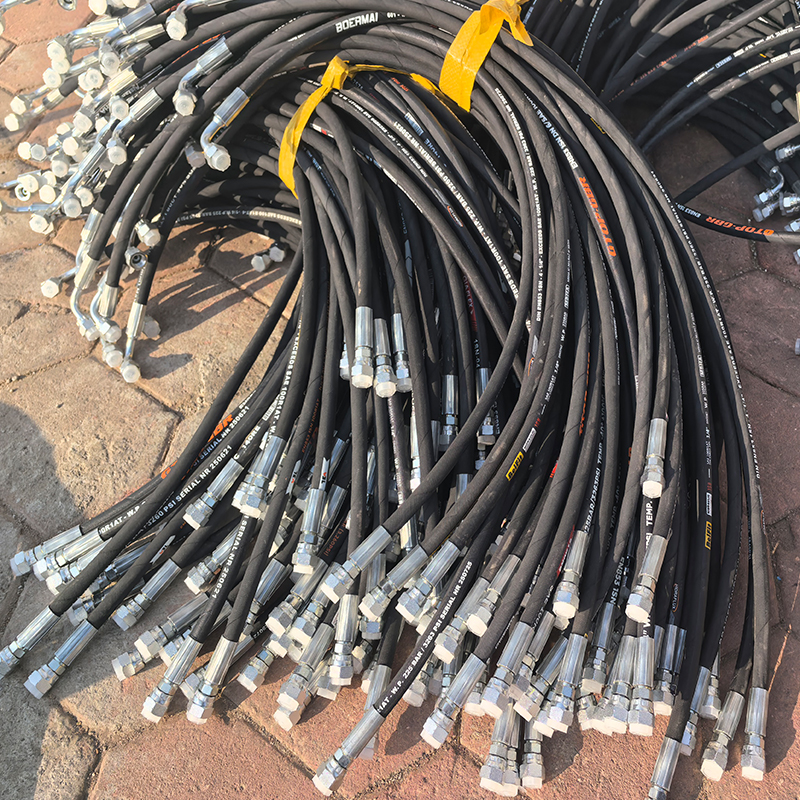 How to Create a Proactive Spiral Hydraulic Hose Replacement Plan That Prevents Downtime?
 Is Your Hydraulic System Overstressing? 5 Diagnostic Signs You Need to Upgrade to Spiral Hose
 Is Your Hydraulic System Pushing Limits? When to Specify Spiral Hose vs. Braided?
 Is Your Machinery Demanding More? Why Upgrade to a Spiral Hydraulic Hose?