
In the intricate network of modern infrastructure, pipeline systems stand as unsung heroes, quietly transporting fluids and gases essential for daily life, industrial processes, and environmental sustainability. From the depths of urban water supply systems to the expansive networks of oil and gas pipelines crisscrossing continents, these systems rely on a multitude of components to function efficiently and safely. One such component, often overlooked but critically important, is the rubber plug. This unassuming device plays a pivotal role in maintaining the integrity, safety, and operational efficiency of pipeline systems worldwide.
A Versatile Component with Multifaceted Applications
Rubber plugs are versatile tools employed in various stages of pipeline construction, maintenance, and repair. Their primary function is to provide a temporary or permanent seal within a pipeline, preventing the leakage of fluids or gases and ensuring the smooth flow of materials through the system. These plugs come in various shapes, sizes, and materials, each tailored to specific applications and environmental conditions.
During the construction phase of a pipeline, rubber plugs are instrumental in testing the integrity of the newly laid pipes. Hydrostatic or pneumatic tests, which involve filling the pipeline with water or air under controlled pressure, are conducted to identify any potential leaks or weaknesses in the pipe walls. Rubber plugs are inserted at both ends of the pipeline segment to create a watertight or airtight seal, enabling accurate and reliable testing.
In maintenance and repair operations, rubber plugs serve as essential tools for isolating specific sections of the pipeline. By sealing off a portion of the pipeline, maintenance crews can safely work on the isolated section without disrupting the flow of fluids or gases in the rest of the system. This capability is particularly valuable in emergency situations where rapid intervention is required to address leaks, corrosion, or other issues that could compromise the pipeline's integrity.
Material Science and Design Innovations
The effectiveness of rubber plugs in pipeline systems is largely determined by the materials from which they are made and their design features. Rubber, as a material, offers a unique combination of flexibility, durability, and resistance to a wide range of chemicals and environmental conditions. However, not all rubbers are created equal, and the choice of material depends on the specific requirements of the application.
For instance, nitrile rubber (NBR) is commonly used in applications where resistance to oils and fuels is necessary. It provides excellent sealing properties and can withstand the harsh chemicals often found in petroleum-based products. On the other hand, ethylene propylene diene monomer (EPDM) rubber is preferred for its resistance to weathering, ozone, and hot and cold water, making it ideal for water supply and drainage systems.
Design innovations have also played a crucial role in enhancing the performance of rubber plugs. Many modern plugs feature reinforced construction, incorporating layers of high-tensile strength fabrics or wires to improve their pressure-holding capabilities. Some designs incorporate inflatable bladders that can be expanded to fit the internal diameter of the pipeline, providing a secure and adaptable seal.
Environmental and Safety Considerations
The use of rubber plugs in pipeline systems also aligns with broader environmental and safety objectives. By enabling more efficient and controlled maintenance and repair operations, rubber plugs help minimize the risk of spills and leaks, which can have significant environmental impacts. In the context of oil and gas pipelines, for example, even small leaks can lead to significant contamination of soil and water resources, as well as pose risks to wildlife and human health.
Moreover, rubber plugs contribute to the overall safety of pipeline operations. By isolating sections of the pipeline during maintenance or repair work, they reduce the risk of accidents and injuries to personnel. This is particularly important in high-pressure systems where the sudden release of fluids or gases could have catastrophic consequences.
Economic Benefits and Sustainability
Beyond their technical and operational advantages, rubber plugs also offer economic benefits and contribute to the sustainability of pipeline systems. By facilitating efficient maintenance and repair operations, they help extend the lifespan of pipelines, reducing the need for costly replacements or major overhauls. This, in turn, supports the economic viability of pipeline projects and ensures a more sustainable use of resources.
Furthermore, the adaptability and reusability of rubber plugs make them a cost-effective solution in the long run. Unlike some other sealing methods, rubber plugs can be used multiple times, provided they are properly maintained and stored. This reduces waste and lowers the environmental footprint associated with the production and disposal of sealing materials.
Future Trends and Innovations
As technology continues to advance, so too will the design and application of rubber plugs in pipeline systems. Ongoing research and development efforts are focused on improving the durability, performance, and environmental compatibility of rubber materials. New materials, such as bio-based or recyclable rubbers, are being explored as potential alternatives to traditional rubber compounds, aiming to reduce the environmental impact of pipeline sealing solutions.
Additionally, the integration of smart technologies, such as sensors and monitoring systems, into rubber plugs could enhance their functionality and provide real-time data on the condition of the pipeline. This would enable more proactive maintenance strategies, further improving the safety and efficiency of pipeline operations.
In conclusion, rubber plugs play a vital role in the efficient, safe, and sustainable operation of pipeline systems. Their versatility, combined with advancements in material science and design, makes them an indispensable component in the construction, maintenance, and repair of pipelines worldwide. As the demand for reliable and environmentally friendly infrastructure solutions continues to grow, the importance of rubber plugs in ensuring the integrity and performance of pipeline systems will only become more pronounced. Through ongoing innovation and a commitment to sustainability, rubber plugs will continue to contribute to the seamless flow of life's essentials, supporting the development and well-being of societies across the globe.
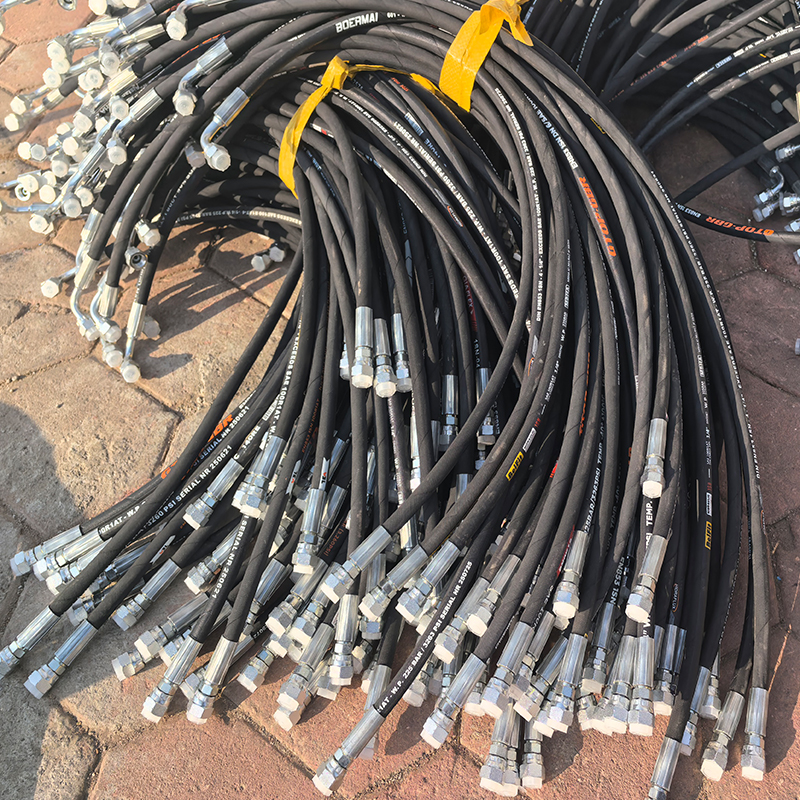 How to Create a Proactive Spiral Hydraulic Hose Replacement Plan That Prevents Downtime?
 Is Your Hydraulic System Overstressing? 5 Diagnostic Signs You Need to Upgrade to Spiral Hose
 Is Your Hydraulic System Pushing Limits? When to Specify Spiral Hose vs. Braided?
 Is Your Machinery Demanding More? Why Upgrade to a Spiral Hydraulic Hose?