
Rubber plug compression molding is a fundamental process in the manufacturing industry, particularly in the production of various rubber components used in diverse applications. This technique involves shaping uncured rubber into a desired form using a mold and applying pressure and heat. The result is a finished rubber product with specific dimensions, properties, and characteristics tailored to meet the requirements of different industries. In this article, we will delve into the intricacies of rubber plug compression molding, exploring its principles, process, advantages, and applications.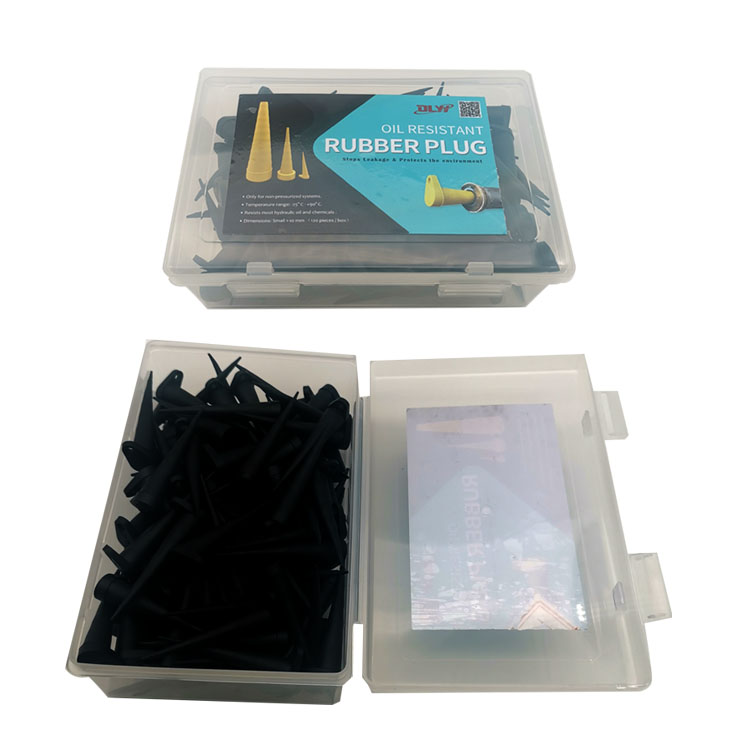
The Basics of Rubber Plug Compression Molding
Rubber plug compression molding is a method of molding rubber where a pre-measured amount of uncured rubber compound is placed into a heated mold cavity. The mold consists of two or more parts that, when closed, form the desired shape of the rubber component. A plug, usually made of metal or another rigid material, is inserted into the mold to create an internal opening or hole in the final product. This plug serves as a core around which the rubber is molded.
The process begins with the preparation of the rubber compound. The rubber material, which can be natural rubber, synthetic rubber, or a blend of both, is mixed with various additives such as curing agents, accelerators, antioxidants, and fillers to achieve the desired properties. The compound is then shaped into a preform or a charge, which is a rough shape close to the final product dimensions.
Once the mold is prepared and the preform is placed inside, the mold is closed, and pressure is applied. This pressure is essential to ensure that the rubber flows and fills the mold cavity completely, adhering to the mold surface and replicating its shape. Simultaneously, heat is applied to the mold to initiate the curing process. Curing is a chemical reaction that transforms the uncured rubber into a solid, cross-linked material with the desired elastic properties.
The Compression Molding Process
The compression molding process can be divided into several stages: mold preparation, loading, compression, curing, and ejection.
Mold Preparation: The mold is cleaned and preheated to the required temperature. Preheating ensures uniform heat distribution throughout the mold and helps in achieving the desired cure rate.
Loading: The preformed rubber compound is placed into the mold cavity. The amount of rubber used is carefully calculated to ensure that the final product has the correct dimensions and material thickness.
Compression: The mold is closed, and pressure is applied. The pressure can be applied mechanically, hydraulically, or pneumatically, depending on the molding machine used. The pressure ensures that the rubber flows and fills all the intricate details of the mold cavity.
Curing: With the mold closed and pressure applied, heat is introduced to the mold. The temperature and duration of the heating process are critical parameters that determine the quality of the final product. The curing process cross-links the rubber molecules, giving the material its elastic properties and shape permanence.
Ejection: Once the curing process is complete, the mold is opened, and the finished rubber component is ejected. The plug is removed, leaving an internal opening or hole as intended in the design. The component is then inspected for defects, and any necessary post-processing, such as trimming or surface finishing, is performed.
Advantages of Rubber Plug Compression Molding
Rubber plug compression molding offers several advantages over other molding techniques, making it a preferred choice for many manufacturers.
Cost-Effective: Compression molding is a relatively inexpensive process, especially for small to medium production runs. The mold costs are lower compared to injection molding, and the process requires minimal material waste.
Versatility: The process can accommodate a wide range of rubber materials and compounds, allowing for the production of components with varying properties and characteristics.
Design Flexibility: Complex shapes and intricate details can be molded using compression molding. The use of a plug enables the creation of internal openings or holes, adding to the design possibilities.
Consistency: The process ensures consistent product quality, with each component having the same dimensions, properties, and appearance.
Short Production Cycles: Compression molding has relatively short production cycles, allowing for quick turnaround times and increased productivity.
Applications of Rubber Plug Compression Molding
Rubber plug compression molding is used in various industries to produce a wide range of rubber components. Some of the common applications include:
Automotive Industry: Rubber plugs and grommets for wiring harnesses, sealing components for engines and transmissions, and vibration isolators.
Electrical and Electronics Industry: Gaskets, seals, and insulating components for electrical appliances and electronic devices.
Plumbing and HVAC Industry: Seals and gaskets for pipes, valves, and HVAC systems.
Medical Industry: Sealing components for medical devices, such as syringes, catheters, and surgical instruments.
Consumer Goods: Rubber components for household appliances, toys, and sports equipment.
Rubber plug compression molding is a versatile and cost-effective process for producing rubber components with specific dimensions, properties, and characteristics. The process involves placing an uncured rubber compound into a heated mold cavity, applying pressure, and curing the material. The use of a plug enables the creation of internal openings or holes in the final product. The advantages of compression molding, such as cost-effectiveness, versatility, design flexibility, consistency, and short production cycles, make it a preferred choice for many manufacturers.
The applications of rubber plug compression molding span across various industries, including automotive, electrical and electronics, plumbing and HVAC, medical, and consumer goods. As the demand for rubber components continues to grow, so will the importance of rubber plug compression molding in meeting these demands efficiently and effectively. Understanding the principles, process, advantages, and applications of this molding technique is crucial for manufacturers who seek to produce high-quality rubber components that meet the requirements of their respective industries.
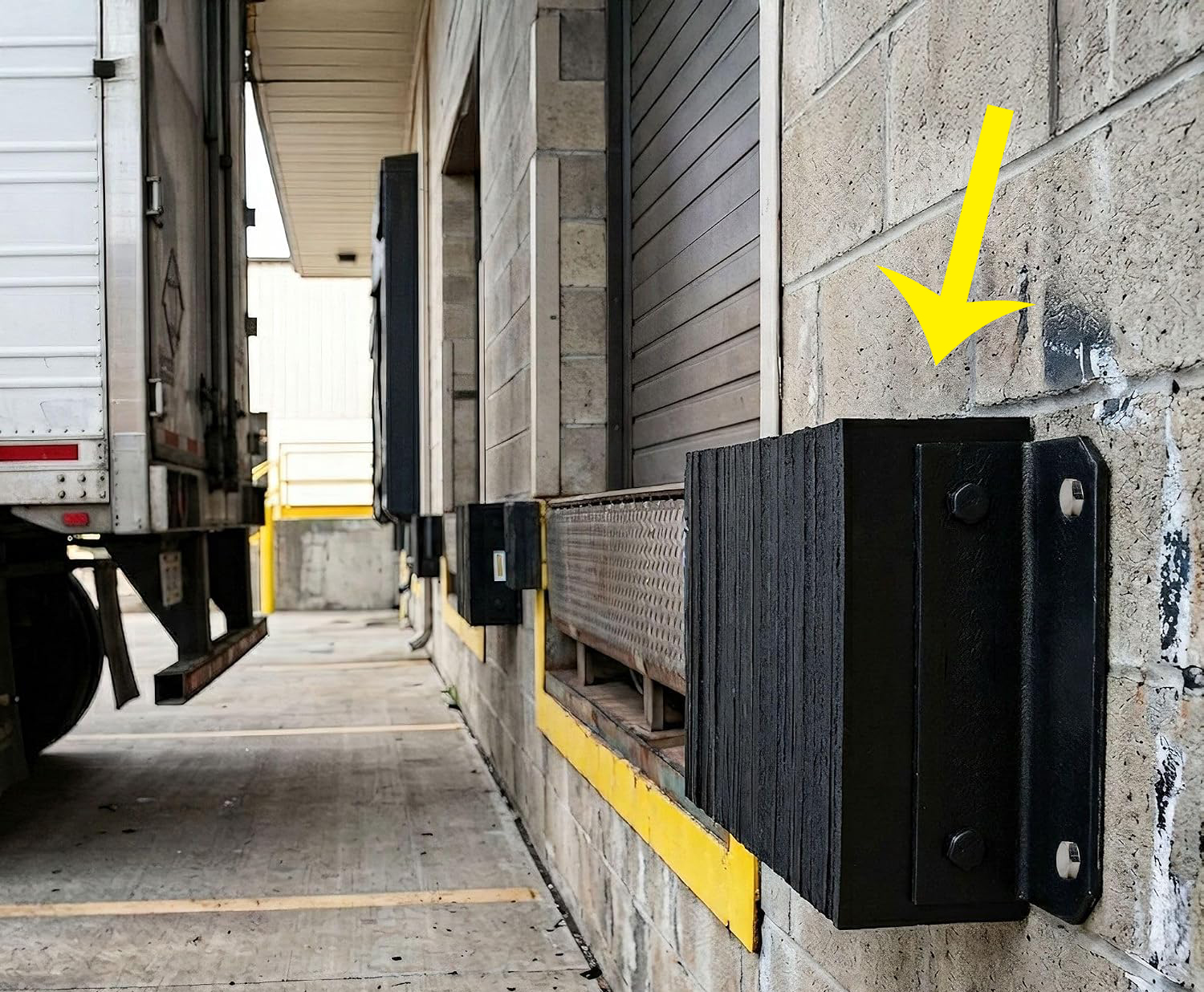 Rubber Laminated Loading Dock Bumper with Steel Angle: 5 Field Failure Signs That Point Back to the RFQ
 Bridge Bearing Pad Field Failure: 5 Visual Signs Before It Retires (And What Caused It)
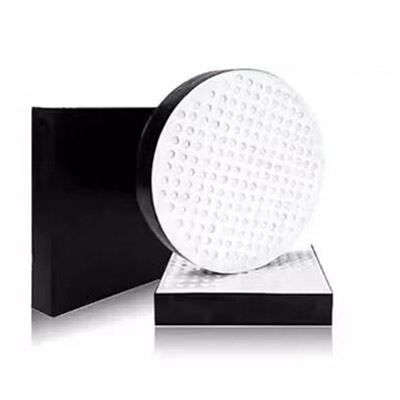 Bridge Bearing Pad RFQ Checklist: 9 Lines That Stop Suppliers From Subbing the Rubber
 Laminated Rubber Bearing: Maintenance and Inspection Protocols