
In the realm of nuclear technology, precision, safety, and reliability are paramount. Nuclear facilities, whether they are power plants, research reactors, or fuel processing sites, demand components that can withstand extreme conditions, resist corrosion, and maintain integrity over extended periods. One such critical component, often overlooked but indispensable, is the rubber plug. These unassuming devices play a vital role in sealing, isolating, and protecting various systems and components within nuclear applications. This article delves into the significance of rubber plugs in nuclear settings, their design considerations, materials used, and the myriad of applications where they prove invaluable.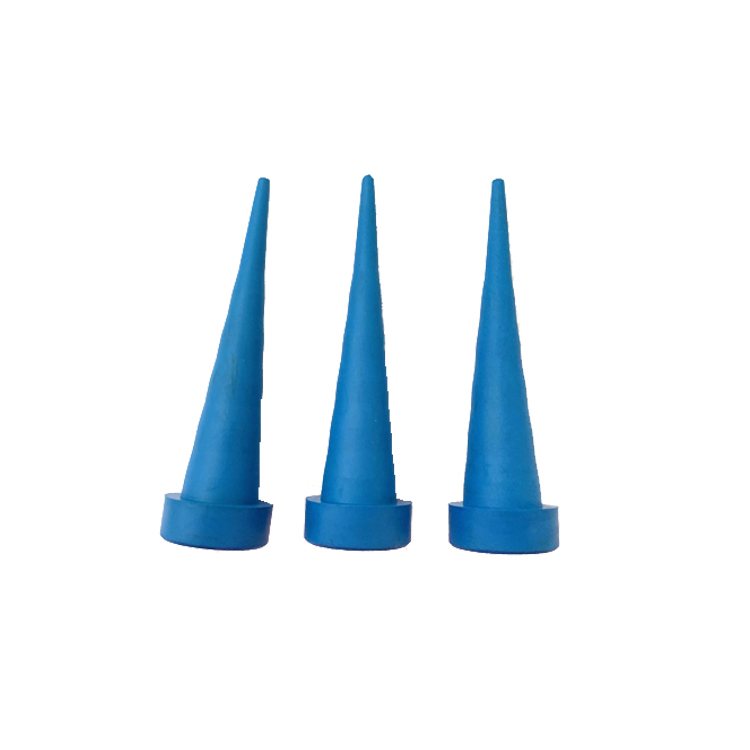
The Importance of Rubber Plugs in Nuclear Applications
Rubber plugs serve as barriers, preventing the ingress or egress of fluids, gases, and contaminants. In nuclear facilities, where even minute leaks can have severe consequences, the role of rubber plugs becomes magnified. They are employed in a diverse range of applications, including sealing pipe ends during maintenance, isolating valves and fittings, protecting sensitive equipment during storage and transportation, and ensuring the integrity of fuel rod assemblies.
One of the primary functions of rubber plugs in nuclear applications is to provide a temporary or permanent seal. During routine maintenance or inspections, systems may need to be isolated to prevent the spread of radioactive materials or to protect personnel from potential exposure. Rubber plugs offer a quick and effective means of achieving this isolation, ensuring that the system remains intact and contamination-free.
Moreover, rubber plugs are essential in maintaining the structural integrity of nuclear components. For instance, in fuel rod assemblies, plugs are used to seal the ends of the rods, preventing the ingress of coolant or other fluids that could compromise the fuel's performance or lead to corrosion. Similarly, in reactor vessels and associated piping, rubber plugs help maintain pressure boundaries, ensuring that the system operates within safe parameters.
Design Considerations for Nuclear-Grade Rubber Plugs
Designing rubber plugs for nuclear applications is a complex task that requires a thorough understanding of the operating environment, the materials involved, and the regulatory requirements. Several key design considerations must be taken into account:
Material Selection: The material used for nuclear-grade rubber plugs must possess exceptional resistance to radiation, high temperatures, and chemical exposure. Elastomers such as silicone, EPR (ethylene propylene rubber), and Viton (fluoroelastomer) are often preferred due to their durability and resistance to degradation.
Dimensional Accuracy: Precision in dimensions is crucial to ensure a tight fit and prevent leakage. Rubber plugs must be manufactured to exact specifications, with tight tolerances to accommodate the variations in system components.
Pressure and Temperature Ratings: Nuclear systems operate under extreme conditions of pressure and temperature. Rubber plugs must be designed to withstand these conditions without compromising their sealing capabilities or structural integrity.
Compatibility with Nuclear Materials: The rubber plugs must be compatible with the materials used in nuclear systems, including metals, coolants, and lubricants. This compatibility ensures that the plugs do not react with or corrode the surrounding materials, maintaining the system's integrity.
Ease of Installation and Removal: While rubber plugs must provide a secure seal, they must also be easy to install and remove when necessary. This requirement is particularly important during maintenance activities, where time is of the essence.
Materials Used in Nuclear-Grade Rubber Plugs
The choice of material for nuclear-grade rubber plugs is critical, as it directly impacts the plug's performance and longevity. Here are some of the most commonly used materials and their properties:
Silicone: Silicone rubber is known for its excellent heat resistance, flexibility, and electrical insulation properties. It can withstand temperatures ranging from -60°C to 200°C and is relatively resistant to radiation. Silicone's compatibility with a wide range of materials makes it an ideal choice for nuclear applications.
EPR (Ethylene Propylene Rubber): EPR is a synthetic rubber that offers good resistance to heat, ozone, and weathering. It has a temperature range of -50°C to 150°C and is known for its excellent electrical insulation properties. EPR's resistance to polar solvents and oils makes it suitable for use in nuclear systems where these substances may be present.
Viton (Fluoroelastomer): Viton is a high-performance elastomer that provides exceptional resistance to high temperatures, chemicals, and oils. It can withstand temperatures up to 250°C and is highly resistant to radiation. Viton's excellent sealing properties and durability make it an ideal choice for demanding nuclear applications.
Applications of Rubber Plugs in Nuclear Facilities
Rubber plugs find application in various areas of nuclear facilities, each with its unique requirements and challenges. Some of the most notable applications include:
Fuel Rod Assemblies: Rubber plugs are used to seal the ends of fuel rods, preventing the ingress of coolant and maintaining the integrity of the fuel during storage, transportation, and operation.
Reactor Vessels and Piping: In reactor vessels and associated piping, rubber plugs help maintain pressure boundaries and prevent the leakage of radioactive materials. They are used to seal openings during maintenance and inspections, ensuring the safety of personnel and the environment.
Valve and Fitting Isolation: Rubber plugs are employed to isolate valves and fittings during maintenance or when components need to be replaced. This isolation prevents the spread of radioactive materials and protects personnel from potential exposure.
Instrumentation and Control Systems: In instrumentation and control systems, rubber plugs are used to seal openings and protect sensitive equipment from environmental conditions, such as moisture and dust.
Storage and Transportation: During the storage and transportation of nuclear components, rubber plugs provide a secure seal, preventing contamination and maintaining the integrity of the components.
Rubber plugs may seem like simple devices, but their importance in nuclear applications cannot be overstated. They play a critical role in maintaining the safety, integrity, and efficiency of nuclear facilities. By providing a reliable seal, isolating systems, and protecting sensitive equipment, rubber plugs contribute to the overall performance and longevity of nuclear components.
Designing and manufacturing nuclear-grade rubber plugs require a deep understanding of the operating environment, material properties, and regulatory requirements. The choice of material is crucial, as it directly impacts the plug's performance and longevity. Silicone, EPR, and Viton are among the most commonly used materials, each offering unique properties that make them suitable for different nuclear applications.
As nuclear technology continues to evolve, the demand for high-quality, reliable rubber plugs will only increase. By adhering to strict design considerations and utilizing advanced materials, manufacturers can ensure that rubber plugs meet the rigorous demands of nuclear applications, contributing to the safe and efficient operation of nuclear facilities worldwide.
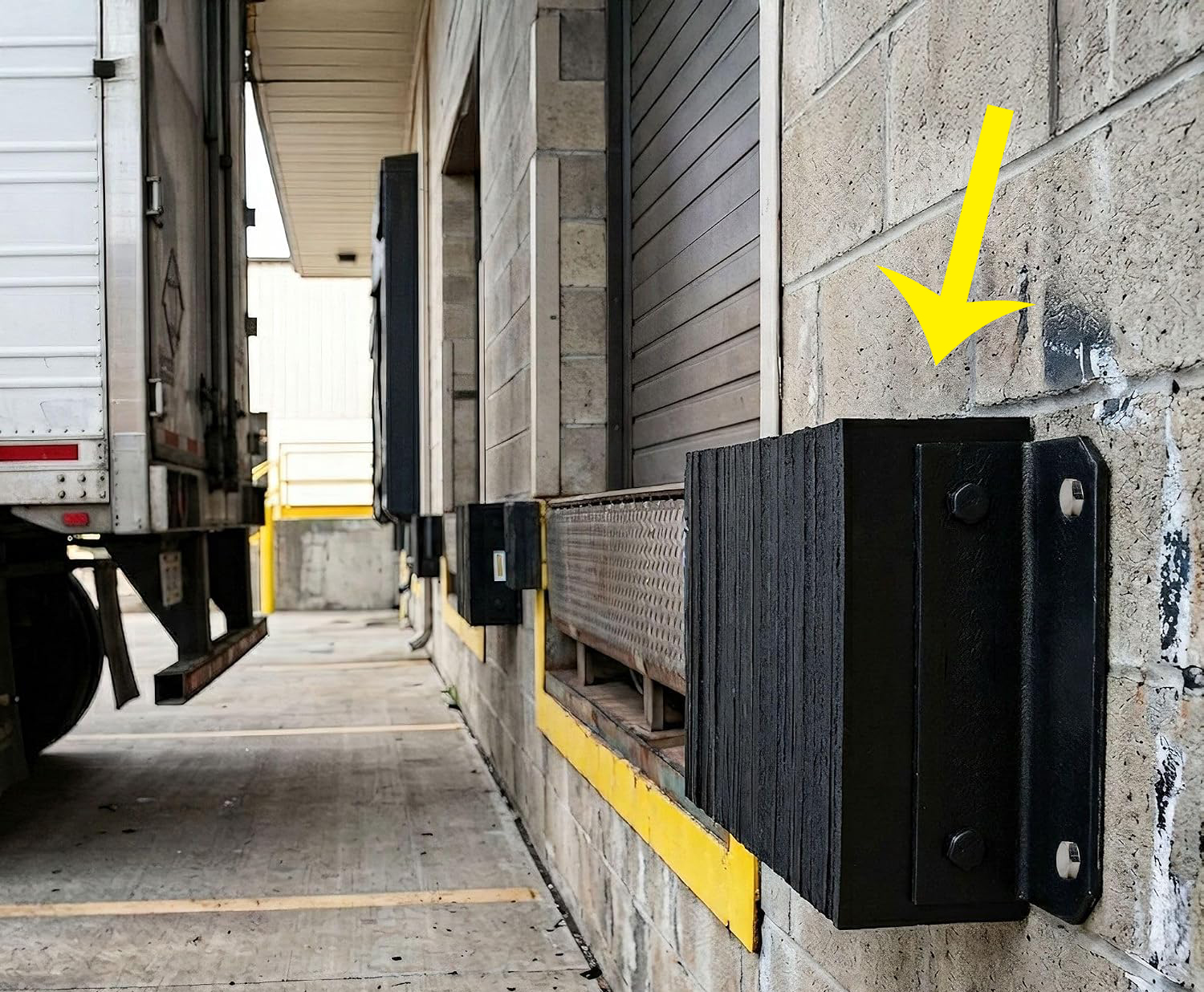 Rubber Laminated Loading Dock Bumper with Steel Angle: 5 Field Failure Signs That Point Back to the RFQ
 Bridge Bearing Pad Field Failure: 5 Visual Signs Before It Retires (And What Caused It)
 Bridge Bearing Pad RFQ Checklist: 9 Lines That Stop Suppliers From Subbing the Rubber
 Laminated Rubber Bearing: Maintenance and Inspection Protocols