
When it comes to selecting rubber plugs for use in corrosive environments, the decision-making process can be quite intricate. The right choice of rubber plug is crucial to ensure the integrity, safety, and longevity of equipment, pipelines, and various other applications exposed to corrosive substances. This article aims to provide a comprehensive guide on how to choose rubber plugs that can withstand harsh, corrosive conditions.
Before diving into the specifics of rubber plugs, it is essential to understand the nature of the corrosive environment. Corrosion can occur due to various factors such as acids, bases, salts, oxidative agents, and even certain gases or liquids that can degrade materials over time. The severity of corrosion depends on the concentration of the corrosive agent, temperature, pressure, and the duration of exposure.
For instance, environments with high concentrations of sulfuric acid or sodium hydroxide will require rubber plugs that have excellent chemical resistance to these specific substances. Similarly, environments with high temperatures and pressures, such as those found in industrial processing plants, demand rubber plugs that can maintain their properties under such extreme conditions.
Material Composition of Rubber Plugs
The material composition of rubber plugs is the most critical factor in determining their suitability for corrosive environments. Different types of rubber materials offer varying degrees of resistance to corrosive agents. Some of the common rubber materials used in making plugs for corrosive environments include:
Nitrile Rubber (NBR): Nitrile rubber is known for its good resistance to oils, fuels, and many chemicals. However, it may not be suitable for environments with strong acids or oxidizing agents.
Ethylene Propylene Diene Monomer (EPDM): EPDM rubber exhibits excellent resistance to water, steam, and many chemicals, including some acids and alkalis. It is often used in applications where resistance to weathering and ozone is required.
Fluoroelastomer (FKM or Viton): Fluoroelastomers are highly resistant to a wide range of chemicals, including acids, bases, and solvents. They are often the material of choice for severe corrosive environments.
Neoprene (CR): Neoprene rubber offers good resistance to oils, greases, and some chemicals. It is also known for its good physical properties and is often used in moderate corrosive environments.
Butyl Rubber (IIR): Butyl rubber provides excellent resistance to gases and certain chemicals. It is often used in applications where impermeability is crucial.
When selecting a rubber plug, it is vital to consider the specific chemical resistance properties of the rubber material. Manufacturers typically provide detailed information on the chemical compatibility of their rubber products. This information can help in making an informed decision.
Design and Construction of Rubber Plugs
The design and construction of rubber plugs also play a significant role in their performance in corrosive environments. A well-designed plug will not only provide a tight seal but will also withstand the mechanical stresses and chemical attacks to which it is exposed.
Shape and Size: The shape and size of the rubber plug should match the application requirements. Plugs with a proper fit will ensure a better seal and reduce the risk of leakage, which can lead to corrosion and damage.
Durometer (Hardness): The durometer of the rubber plug refers to its hardness or softness. A plug with the appropriate durometer will be able to withstand the pressure and maintain its shape without deforming or cracking.
Reinforcement: In some applications, rubber plugs may require reinforcement to enhance their strength and durability. Reinforced plugs can withstand higher pressures and are less likely to fail in corrosive environments.
Surface Finish: The surface finish of the rubber plug can affect its resistance to corrosion. A smooth surface finish can reduce the accumulation of corrosive agents and make it easier to clean and maintain.
Application-Specific Considerations
Different applications may have specific requirements for rubber plugs in corrosive environments. For example, in the chemical processing industry, plugs may need to withstand high temperatures and concentrations of corrosive chemicals. In the marine industry, plugs may need to resist saltwater corrosion and the effects of UV radiation.
To ensure the best performance, it is essential to consider the following application-specific factors:
Temperature Range: The rubber plug should be able to maintain its properties within the operating temperature range of the application. Some rubber materials may harden or soften at extreme temperatures, compromising their sealing ability.
Pressure Ratings: The plug should be able to withstand the internal and external pressures to which it will be exposed. Exceeding the pressure ratings of the plug can lead to failure and potential safety hazards.
Exposure Duration: The duration of exposure to corrosive agents can affect the lifespan of the rubber plug. For long-term exposure, it is essential to choose a rubber material with high chemical resistance and durability.
Maintenance and Inspection: Regular maintenance and inspection of rubber plugs can help identify potential issues before they lead to failure. It is important to follow the manufacturer's recommendations for maintenance and replacement intervals.
Environmental and Regulatory Considerations
When selecting rubber plugs for corrosive environments, it is also important to consider the environmental and regulatory implications. Some rubber materials may contain harmful substances that can leach into the environment, posing health and safety risks.
Environmental Compliance: Ensure that the rubber plug meets relevant environmental regulations and standards. Look for materials that are labeled as eco-friendly or biodegradable if applicable.
Safety Standards: Verify that the rubber plug complies with industry safety standards and regulations. This can help ensure that the plug will perform as expected and will not pose a risk to personnel or equipment.
Disposal and Recycling: Consider the disposal and recycling options for the rubber plug at the end of its lifespan. Choosing a material that can be easily recycled or disposed of in an environmentally responsible manner can help reduce the environmental impact.
In conclusion, selecting the right rubber plug for corrosive environments requires careful consideration of various factors, including the nature of the corrosive environment, material composition, design and construction, application-specific requirements, and environmental and regulatory considerations. By taking the time to evaluate these factors and choosing a high-quality rubber plug that meets the specific needs of the application, you can help ensure the integrity, safety, and longevity of equipment and pipelines in corrosive environments.
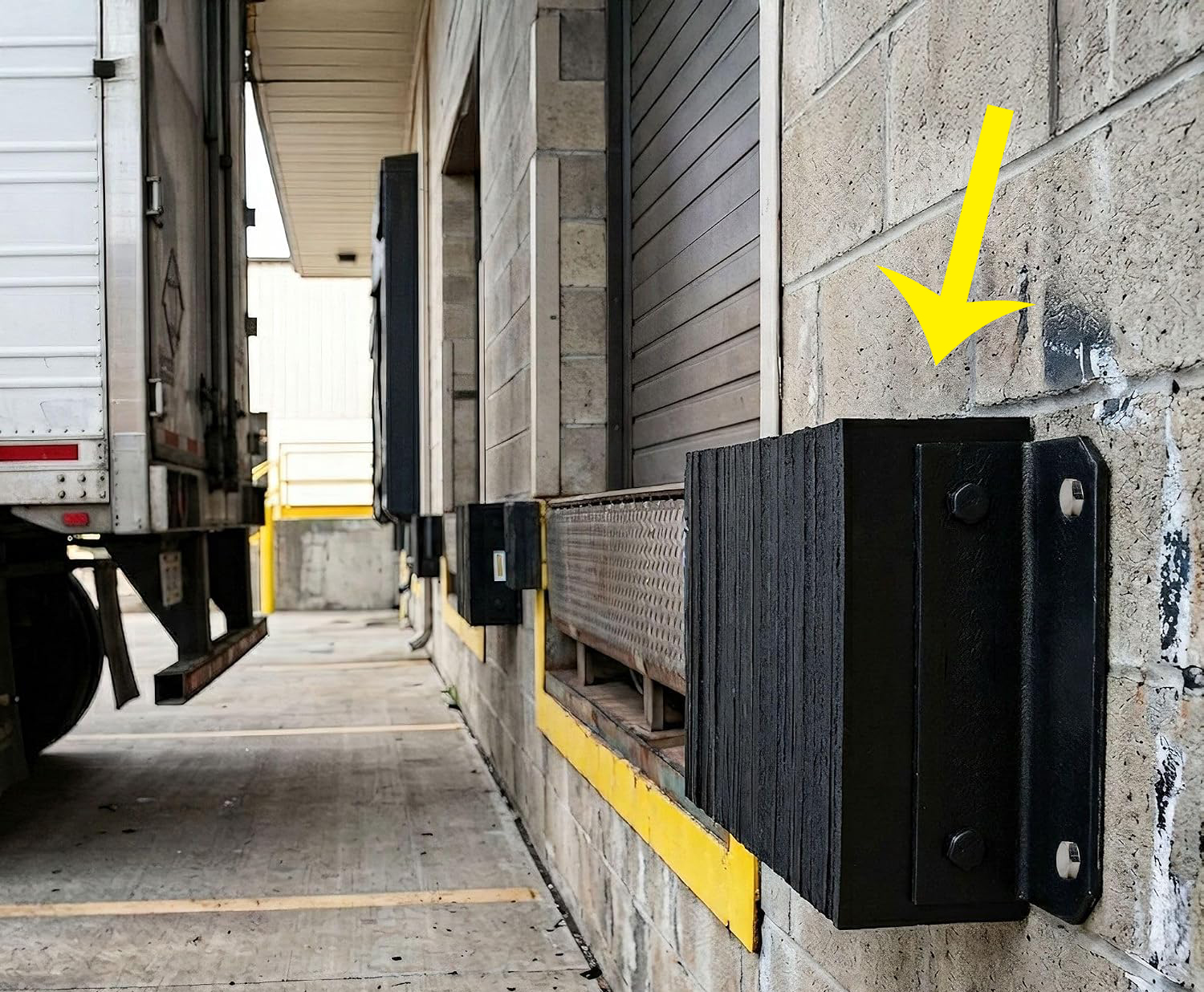 Rubber Laminated Loading Dock Bumper with Steel Angle: 5 Field Failure Signs That Point Back to the RFQ
 Bridge Bearing Pad Field Failure: 5 Visual Signs Before It Retires (And What Caused It)
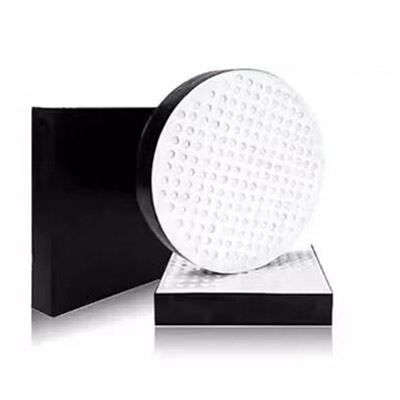 Bridge Bearing Pad RFQ Checklist: 9 Lines That Stop Suppliers From Subbing the Rubber
 Laminated Rubber Bearing: Maintenance and Inspection Protocols