
Maintaining spare parts for vehicles is a common practice among Americans who value preparedness and cost efficiency. Among these components, hub oil seals play a critical role in preventing lubricant leaks and protecting wheel bearings from contaminants. However, improper storage can render these seals ineffective long before they’re installed. This guide explores practical strategies to ensure spare hub oil seals remain in optimal condition, helping vehicle owners avoid premature failures and costly repairs.
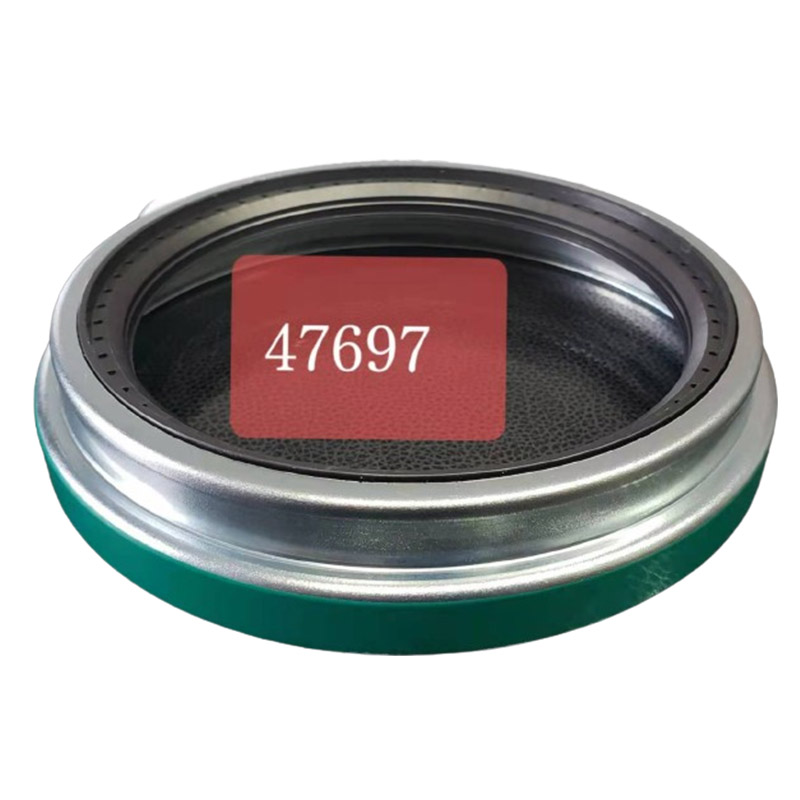
Understanding the Importance of Proper Storage
Hub oil seals are precision-engineered components designed to create a tight barrier between moving parts and external elements. When stored incorrectly, they can degrade due to environmental factors like temperature fluctuations, humidity, or exposure to chemicals. A compromised seal may crack, warp, or lose elasticity, leading to leaks or bearing damage once installed. For Americans who rely on their vehicles for daily commutes, road trips, or work, such failures are not just inconvenient—they can disrupt schedules and strain budgets. Proper storage, therefore, is not a minor detail but a proactive step toward long-term reliability.
Choose the Right Environment: Cool, Dry, and Dark
The ideal storage location for hub oil seals mimics the conditions of a climate-controlled warehouse: stable temperatures, low humidity, and minimal light exposure. Extreme heat can cause rubber components to harden or lose flexibility, while cold temperatures might make them brittle. Similarly, humidity encourages mold growth and corrosion, especially if seals are stored in their original packaging with residual moisture. Light, particularly UV rays, can degrade synthetic materials over time.
A garage or basement often fits the bill, provided it’s insulated and free from dampness. Avoid attics, sheds, or outdoor storage units, where temperatures swing dramatically. If indoor space is limited, consider using a dehumidifier or silica gel packets inside storage containers to absorb excess moisture.
Keep Them Clean: Shielding from Dust and Debris
Even in a seemingly clean environment, airborne particles like dust, pollen, or metal shavings can settle on seals. Over time, these contaminants can embed into the material or scratch surfaces, compromising their ability to form a tight seal. To prevent this, store seals in their original packaging whenever possible. If the packaging is damaged, wrap them in acid-free paper or place them in sealed plastic bags before storing them in airtight containers.
For those who handle seals frequently during maintenance projects, designate a clean workspace and wash hands thoroughly before touching components. Oils, grease, or dirt from skin can transfer to the seal’s surface, creating weak points.
Avoid Physical Stress: Preventing Deformation
Hub oil seals are designed to maintain a specific shape to function correctly. Stacking heavy objects on top of them, bending them, or storing them in cramped spaces can lead to permanent deformation. For example, a seal pressed against a hard surface for months may develop flat spots or creases that prevent it from sitting flush when installed.
Store seals flat or upright in their original orientation, using dividers or compartments to keep them separated. If space is tight, avoid overcrowding containers and prioritize gentle handling. For larger seals, consider using cardboard tubes or foam inserts to maintain their curvature.
Shield from Chemical Exposure: A Silent Threat
Many households store chemicals like gasoline, solvents, or cleaning agents in garages or sheds. While these substances seem unrelated to vehicle maintenance, their fumes can accelerate the degradation of rubber and synthetic materials. Volatile organic compounds (VOCs) emitted by paints, adhesives, or even certain plastics can react with seal materials, causing them to swell, shrink, or become sticky.
To mitigate this risk, store seals in a separate, well-ventilated area away from chemical storage. If using plastic containers, opt for high-density polyethylene (HDPE) or polypropylene (PP), which are less likely to off-gas compared to cheaper plastics.
Label and Organize: Streamlining Future Use
A common oversight in spare part storage is neglecting to label containers or track inventory. Over time, seals for different vehicles or wheel sizes can become mixed up, leading to confusion during repairs. To avoid this, label each container with details like the seal’s size, intended vehicle model, and purchase date. Digital tools like inventory apps or spreadsheets can also help track parts, especially for those managing multiple vehicles or fleets.
Additionally, practice the “first in, first out” (FIFO) principle. Use older seals before newer ones to reduce the risk of long-term degradation. This is particularly important for seals stored for several years, as even ideal conditions can’t halt aging indefinitely.
Regular Inspections: Catching Issues Early
Even with meticulous storage, seals should be inspected periodically for signs of damage. Look for cracks, discoloration, or changes in texture—such as a sticky or powdery surface—which indicate degradation. If a seal appears compromised, replace it immediately rather than risking installation.
For those who store seals long-term, consider rotating inventory every six months. Remove containers from storage, check for condensation or pests (like rodents that might chew on rubber), and reseal them properly. This proactive approach ensures seals remain ready for use when needed.
Conclusion: A Small Investment for Big Savings
Storing spare hub oil seals correctly requires minimal effort but offers significant rewards. By controlling environmental factors, preventing physical damage, and staying organized, vehicle owners can extend the lifespan of these critical components and avoid unexpected failures. Whether preparing for a cross-country road trip or maintaining a daily commuter, proper storage is a testament to the American value of self-reliance—ensuring that when the need arises, the right part is ready to perform.
In the end, the key is consistency. Treat spare seals with the same care as installed components, and they’ll reward you with reliability when it matters most.
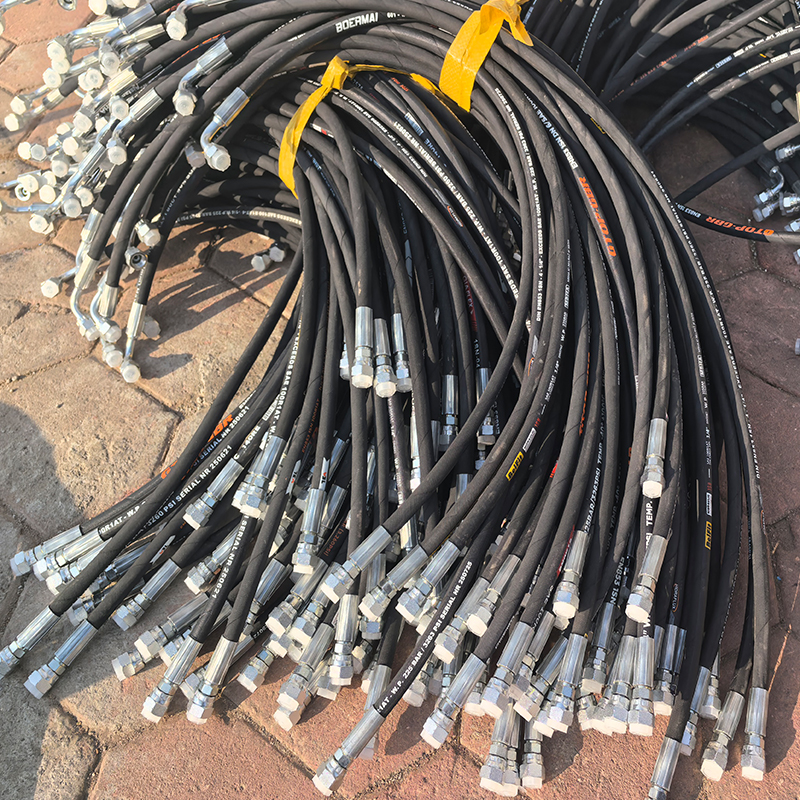 How to Create a Proactive Spiral Hydraulic Hose Replacement Plan That Prevents Downtime?
 Is Your Hydraulic System Overstressing? 5 Diagnostic Signs You Need to Upgrade to Spiral Hose
 Is Your Hydraulic System Pushing Limits? When to Specify Spiral Hose vs. Braided?
 Is Your Machinery Demanding More? Why Upgrade to a Spiral Hydraulic Hose?