
When it comes to vehicle maintenance, most drivers are well - aware of the need to change the oil regularly, check tire pressure, and ensure the brakes are in good working order. However, there's a less - talked - about but equally important component: the hub oil seal. This small yet crucial part plays a vital role in keeping the lubricant inside the hub assembly and preventing contaminants from entering. But a question that often arises is whether extreme weather conditions can damage this essential component.
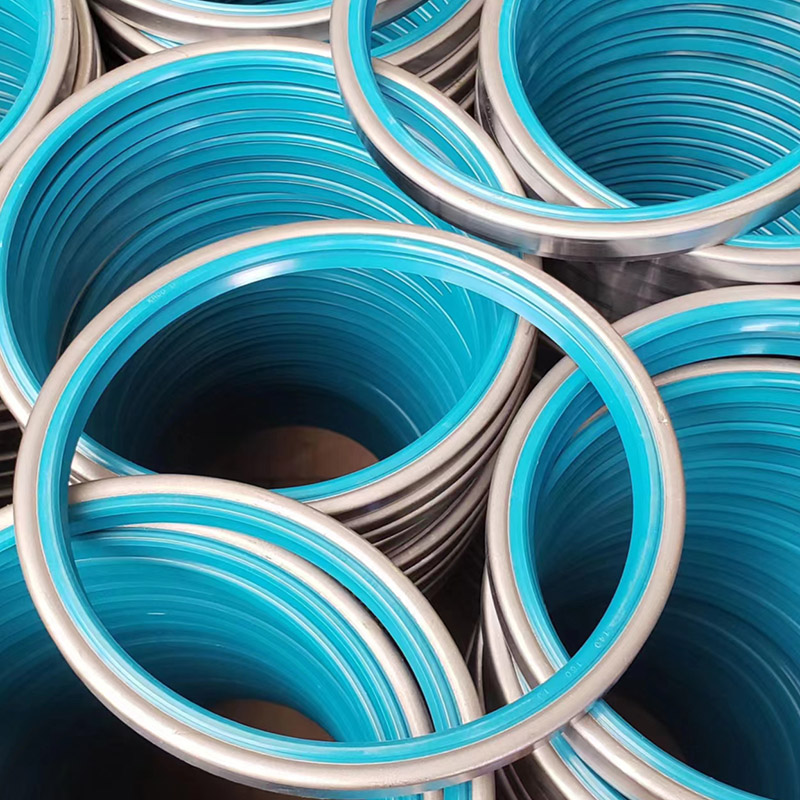
The Role of the Hub Oil Seal
Before delving into the impact of extreme weather, it's essential to understand what the hub oil seal does. The hub is a critical part of a vehicle's wheel assembly, housing various components like bearings that allow the wheel to rotate smoothly. The hub oil seal acts as a barrier, keeping the grease or oil within the hub, which is necessary for lubricating the moving parts. At the same time, it prevents dirt, water, and other debris from getting inside. If this seal fails, it can lead to a host of problems, including premature wear of the hub components, reduced vehicle performance, and even safety hazards.
Extreme Heat: A Silent Threat
In areas with scorching summers, extreme heat can take a toll on the hub oil seal. High temperatures can cause the rubber or synthetic material of the seal to degrade over time. As the seal loses its elasticity, it becomes less effective at creating a tight seal. This can result in oil or grease leaking out of the hub. Not only does this mean a loss of lubrication for the internal components, but it can also create a mess on the wheel and undercarriage of the vehicle. Additionally, the leaked lubricant can attract dirt and grime, further accelerating the wear and tear on the hub.
Moreover, extreme heat can also affect the viscosity of the lubricant inside the hub. When the temperature rises, the lubricant can become thinner, reducing its ability to protect the moving parts effectively. This, combined with a compromised seal, can lead to increased friction and heat generation within the hub, potentially causing damage to the bearings and other components.
The Chilling Effects of Extreme Cold
On the other end of the spectrum, extreme cold weather can also pose challenges for the hub oil seal. In freezing temperatures, the rubber or synthetic material of the seal can become brittle. A brittle seal is more likely to crack or break, allowing contaminants to enter the hub. Once water or ice gets inside, it can freeze and expand, causing further damage to the seal and the internal components of the hub.
Cold weather can also affect the performance of the lubricant. As the temperature drops, the lubricant can thicken, making it more difficult for the moving parts within the hub to rotate smoothly. This increased resistance can put additional stress on the seal, especially if it's already weakened by the cold. Over time, this can lead to seal failure and the associated problems mentioned earlier.
Heavy Rain and Flooding: A Watery Nightmare
In regions prone to heavy rainfall or flooding, the hub oil seal faces the risk of water ingress. When a vehicle is driven through deep puddles or flooded areas, water can be forced into the hub assembly if the seal is not intact. Water is a major enemy of the hub components as it can cause rust and corrosion. Rust can eat away at the metal parts of the hub, weakening their structure and reducing their lifespan.
Additionally, water in the hub can dilute the lubricant, reducing its effectiveness in protecting the moving parts. This can lead to increased wear and tear, and in severe cases, can cause the hub to fail completely, posing a significant safety risk to the driver and passengers.
High Humidity: A Stealthy Destroyer
High humidity levels can also have a detrimental effect on the hub oil seal. Moisture in the air can gradually seep into the hub assembly, especially if the seal has any minor cracks or imperfections. Over time, this moisture can cause rust and corrosion, similar to the effects of water ingress during heavy rain or flooding.
Moreover, high humidity can create a conducive environment for the growth of mold and mildew. While this may not directly damage the seal, it can contaminate the lubricant and the internal components of the hub, affecting their performance and longevity.
Preventive Measures to Protect the Hub Oil Seal
Given the potential damage that extreme weather can cause to the hub oil seal, it's essential to take preventive measures. Regular vehicle inspections are crucial. During these inspections, a mechanic can check the condition of the hub oil seal for any signs of wear, cracks, or leaks. If any issues are detected, the seal should be replaced promptly.
Using high - quality lubricants that are suitable for the local climate conditions can also help protect the hub oil seal. These lubricants are formulated to maintain their viscosity and performance in extreme temperatures, reducing the stress on the seal. Additionally, avoiding driving through deep puddles or flooded areas whenever possible can minimize the risk of water ingress.
In conclusion, extreme weather conditions can indeed damage the hub oil seal. Whether it's the scorching heat of summer, the freezing cold of winter, heavy rain, high humidity, or a combination of these factors, the hub oil seal is constantly under threat. By understanding these risks and taking appropriate preventive measures, vehicle owners can ensure that this crucial component remains in good condition, protecting the hub assembly and ensuring the safe and smooth operation of their vehicles.
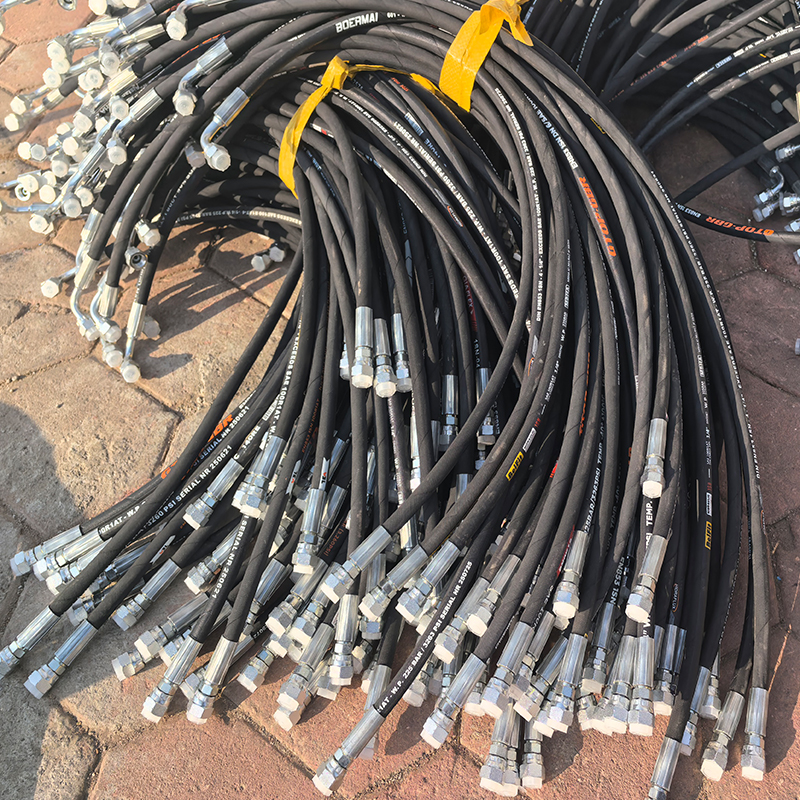 How to Create a Proactive Spiral Hydraulic Hose Replacement Plan That Prevents Downtime?
 Is Your Hydraulic System Overstressing? 5 Diagnostic Signs You Need to Upgrade to Spiral Hose
 Is Your Hydraulic System Pushing Limits? When to Specify Spiral Hose vs. Braided?
 Is Your Machinery Demanding More? Why Upgrade to a Spiral Hydraulic Hose?