
In the world of automotive and industrial maintenance, oil seals play a critical role in protecting machinery from leaks, contaminants, and premature wear. Traditionally, rubber has been the go-to material for these components due to its affordability and flexibility. However, advancements in material science have introduced silicone as a superior alternative, offering enhanced durability, performance, and longevity. This article explores why silicone hub oil seals are gaining traction over rubber counterparts, particularly in demanding environments.

Superior Heat Resistance
One of the most significant advantages of silicone hub oil seals is their ability to withstand extreme temperatures. Rubber seals, while effective in moderate climates, tend to degrade when exposed to prolonged heat. High temperatures can cause rubber to harden, crack, or lose elasticity, compromising its sealing capability. In contrast, silicone remains stable across a much broader temperature range, typically from -60°F to 450°F (-50°C to 230°C). This makes silicone seals ideal for applications such as automotive wheel hubs, where friction and engine heat generate intense conditions. By maintaining flexibility and integrity under heat stress, silicone seals reduce the risk of oil leaks and mechanical failures.
Enhanced Chemical Respatibility
Rubber seals are vulnerable to damage from certain oils, fuels, and solvents, which can cause swelling, shrinkage, or disintegration over time. This chemical instability limits their use in environments where exposure to aggressive substances is common. Silicone, on the other hand, exhibits excellent resistance to a wide range of chemicals, including synthetic oils, hydraulic fluids, and even some acids. This property ensures that silicone hub oil seals retain their shape and sealing efficiency even when in contact with harsh substances. For industries like manufacturing or automotive repair, where equipment operates with diverse lubricants, silicone seals offer a reliable and low-maintenance solution.
Longer Lifespan and Reduced Maintenance
The durability of silicone hub oil seals translates to a longer operational lifespan compared to rubber. Rubber seals are prone to oxidation, which leads to brittleness and cracking over time. This process accelerates in outdoor applications exposed to sunlight, ozone, or fluctuating weather conditions. Silicone’s inherent resistance to UV rays and ozone degradation prevents premature aging, allowing it to function effectively for years without replacement. For businesses and consumers alike, this means fewer interruptions for repairs, lower maintenance costs, and greater overall efficiency.
Flexibility in Extreme Cold
While rubber hardens in freezing temperatures, silicone retains its flexibility, ensuring a reliable seal even in sub-zero environments. This characteristic is particularly valuable for vehicles operating in cold climates or industrial machinery stored outdoors during winter. A stiffened rubber seal may fail to conform to shaft movements, leading to leaks, whereas silicone’s pliability allows it to adapt to dynamic conditions without compromising performance. This versatility makes silicone hub oil seals a preferred choice for applications requiring consistent functionality across diverse climates.
Resistance to Compression Set
Compression set refers to a material’s ability to rebound to its original shape after being compressed. Rubber seals, especially when subjected to constant pressure, can develop permanent deformations that reduce their sealing effectiveness. Silicone’s low compression set ensures that it maintains a tight seal even under prolonged compression, such as in hub assemblies where constant vibration and pressure are common. This property minimizes the risk of oil leakage and extends the service life of the seal, providing peace of mind for equipment operators.
Environmentally Friendly Options
As sustainability becomes a priority across industries, silicone hub oil seals offer eco-conscious benefits. Unlike some rubber compounds, which may contain harmful additives or plasticizers, silicone is non-toxic and inert, posing minimal risk to the environment. Additionally, its longevity reduces waste by decreasing the frequency of replacements. For companies aiming to reduce their carbon footprint, switching to silicone seals aligns with green initiatives without sacrificing performance.
Cost-Effectiveness Over Time
While silicone hub oil seals may have a higher upfront cost than rubber alternatives, their extended lifespan and reduced maintenance needs make them more economical in the long run. Businesses that rely on heavy machinery or fleet vehicles can avoid the downtime and expenses associated with frequent seal replacements. For individual consumers, the peace of mind that comes with a durable, reliable seal is often worth the initial investment.
Conclusion
Silicone hub oil seals represent a significant upgrade over traditional rubber components, offering unmatched resilience in extreme temperatures, chemical exposure, and mechanical stress. Their ability to resist compression set, maintain flexibility in cold conditions, and endure harsh environments makes them a smart choice for automotive, industrial, and outdoor applications. By prioritizing durability and performance, silicone seals not only enhance equipment reliability but also contribute to long-term cost savings and environmental sustainability. As technology continues to evolve, the shift toward silicone-based solutions is poised to redefine standards in sealing efficiency across industries.
Whether for personal use or commercial applications, the benefits of silicone hub oil seals are clear: they are a robust, future-proof investment that delivers consistent results, mile after mile.
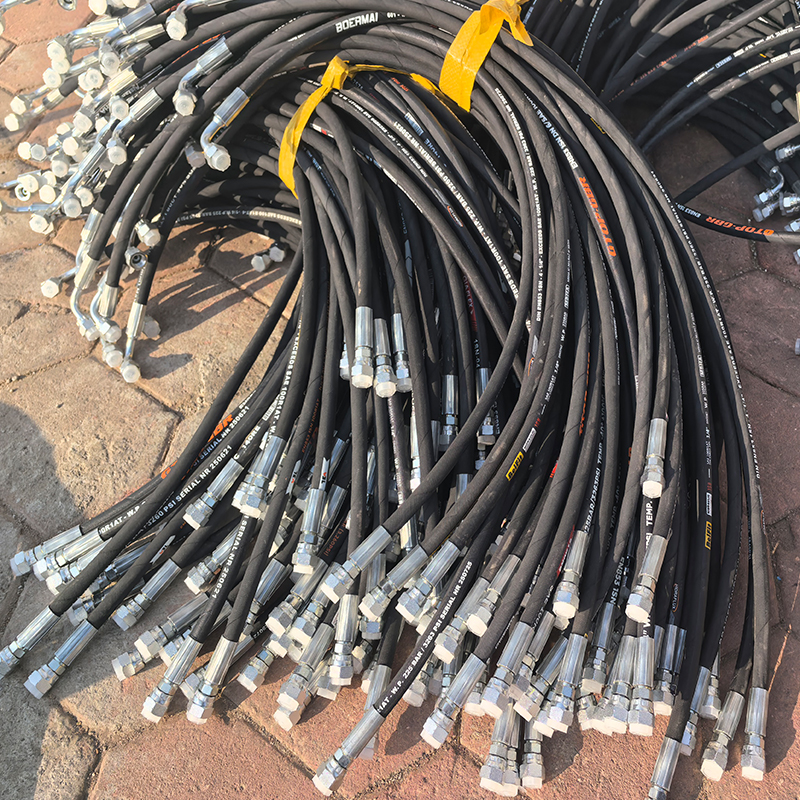 How to Create a Proactive Spiral Hydraulic Hose Replacement Plan That Prevents Downtime?
 Is Your Hydraulic System Overstressing? 5 Diagnostic Signs You Need to Upgrade to Spiral Hose
 Is Your Hydraulic System Pushing Limits? When to Specify Spiral Hose vs. Braided?
 Is Your Machinery Demanding More? Why Upgrade to a Spiral Hydraulic Hose?