
In modern construction, ensuring the durability and integrity of structures exposed to harsh environmental conditions is paramount. One critical component in this regard is the rubber waterstop—a flexible material used to seal joints in concrete and prevent water ingress. However, questions often arise about its resilience against aggressive substances like acids, which are commonly encountered in industrial settings, wastewater treatment facilities, and even certain geological environments. This article delves into the chemical resistance of rubber waterstops, exploring the factors that influence their performance, the types of rubber used, and best practices for selecting the right material for acid-resistant applications.
Understanding Rubber Waterstops: Composition and Function
Rubber waterstops are engineered materials designed to create a watertight barrier within concrete joints. Typically manufactured from synthetic or natural rubber compounds, they are embedded in concrete during pouring to span cracks or expansion joints. Their flexibility allows them to accommodate minor movements without compromising the seal, making them indispensable in infrastructure projects like dams, tunnels, basements, and reservoirs.
The effectiveness of a rubber waterstop hinges on its chemical composition. Synthetic rubbers, such as nitrile rubber (NBR), chloroprene rubber (CR), and ethylene propylene diene monomer (EPDM), are often favored for their enhanced durability compared to natural rubber. Each type offers distinct properties, including resistance to heat, ozone, and, critically, chemicals. However, not all rubbers are created equal when it comes to acid resistance.
The Role of Chemical Resistance in Waterstop Selection
Acids, whether organic (like acetic acid) or inorganic (like sulfuric acid), pose a significant threat to construction materials. Over time, exposure to acidic environments can degrade rubber, leading to swelling, cracking, or complete failure of the waterstop. The severity of the damage depends on factors such as:
Acid Type and Concentration: Stronger acids (lower pH) tend to be more corrosive.
Temperature: Elevated temperatures accelerate chemical reactions, increasing degradation.
Exposure Duration: Prolonged contact exacerbates material breakdown.
For instance, EPDM rubber is renowned for its resistance to water, steam, and ozone but performs poorly against oils and certain solvents. Conversely, nitrile rubber (NBR) excels in oil-resistant applications but may struggle with highly oxidizing acids. This variability underscores the importance of matching the waterstop material to the specific acidic conditions it will face.
Types of Rubber and Their Acid Resistance Profiles
To navigate the complexities of acid resistance, construction professionals must familiarize themselves with the properties of common rubber types:
Nitrile Rubber (NBR)
Strengths: Excellent resistance to oils, fuels, and some acids (e.g., hydrochloric acid at moderate concentrations).
Weaknesses: Vulnerable to strong oxidizing acids like nitric acid and sulfuric acid.
Chloroprene Rubber (CR/Neoprene)
Strengths: Good all-around chemical resistance, including mild acids and alkalis.
Weaknesses: Less effective against aromatic and chlorinated solvents.
Ethylene Propylene Diene Monomer (EPDM)
Strengths: Highly resistant to water, steam, and weathering; suitable for dilute acids.
Weaknesses: Poor resistance to hydrocarbon oils and some organic solvents.
Fluorocarbon Rubber (FKM/Viton)
Strengths: Exceptional resistance to high temperatures, oils, and aggressive chemicals, including many acids.
Weaknesses: Expensive and less flexible than other rubbers.
Butyl Rubber (IIR)
Strengths: Excellent gas barrier properties and resistance to ozone and aging.
Weaknesses: Limited acid resistance; best suited for non-chemical applications.
Real-World Applications and Case Studies
Understanding theoretical resistance is one thing; seeing it in practice is another. Consider a wastewater treatment plant where hydrogen sulfide gas (a weak acid) is produced during anaerobic digestion. Here, EPDM waterstops might suffice for sealing joints in concrete tanks due to their resistance to dilute acids and moisture. However, in a chemical processing facility handling sulfuric acid, FKM rubber would be the safer choice, despite its higher cost.
In contrast, a residential basement with occasional exposure to acidic rainwater might use neoprene waterstops, balancing cost and performance for mild conditions. These examples highlight the need for a nuanced approach to material selection.
Best Practices for Ensuring Long-Term Acid Resistance
Even the most acid-resistant rubber waterstop can fail if improperly installed or maintained. Key considerations include:
Material Testing: Before full-scale deployment, test waterstop samples in simulated acidic conditions to verify performance.
Proper Installation: Ensure the waterstop is correctly positioned and fully encapsulated in concrete to avoid direct exposure.
Protective Coatings: In highly corrosive environments, consider applying acid-resistant coatings over concrete surfaces to shield the waterstop.
Regular Inspections: Schedule periodic checks for signs of degradation, such as discoloration, swelling, or cracks.
Environmental Controls: Where feasible, mitigate acid exposure through ventilation, neutralization systems, or alternative material choices.
The Future of Acid-Resistant Waterstops: Innovations and Trends
As construction demands evolve, so too does the technology behind waterstops. Manufacturers are exploring:
Hybrid Rubbers: Combining the strengths of multiple polymers to enhance acid resistance and flexibility.
Nanocomposite Additives: Incorporating nanoparticles to improve chemical barrier properties without sacrificing mechanical strength.
Sustainable Materials: Developing bio-based rubbers with comparable performance to synthetic counterparts, reducing environmental impact.
These advancements promise to expand the applications of acid-resistant waterstops while addressing sustainability concerns.
Conclusion
The question of whether rubber waterstops are resistant to acids lacks a one-size-fits-all answer. Instead, it demands a case-by-case evaluation of the specific acid type, concentration, temperature, and exposure duration. By understanding the properties of different rubber compounds and adhering to best practices in selection and installation, construction professionals can ensure the longevity and reliability of their projects, even in the harshest acidic environments.
In an era where infrastructure resilience is non-negotiable, investing in the right acid-resistant waterstop is not just a matter of compliance—it’s a commitment to safety, durability, and cost-efficiency. As technology continues to advance, the future of acid-resistant waterstops looks brighter than ever, offering innovative solutions to age-old challenges.
This article provides a balanced, informative perspective tailored for an American audience, emphasizing practical applications and actionable insights. By avoiding technical jargon and focusing on real-world scenarios, it aims to empower readers to make informed decisions about waterstop selection in acidic environments.
 Rubber Inflatable Mandrel vs Steel / Wooden Core Form: When the Bag Actually Saves Money
 Rubber Inflatable Concrete Formwork: 5 Site Problems That Show Up After Demolding
 Successful Participation in WindEnergy Hamburg 2026
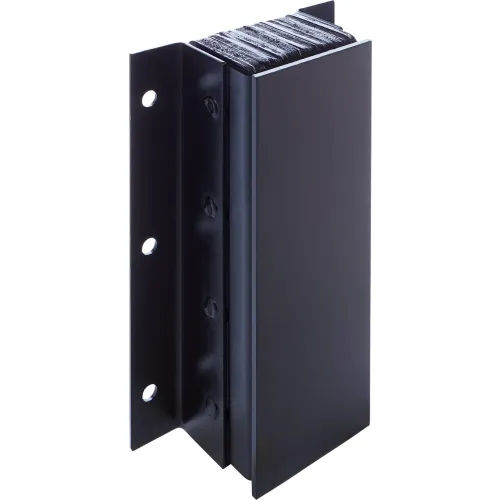 Steel-Faced Laminated Rubber Bumper: 5 Field Problems Buyers Keep Finding After Installation
