
When infrastructure like dams, tunnels, or basements is constructed, rubber waterstops play a critical role in preventing water infiltration. These flexible strips, installed in concrete joints, expand and contract to seal gaps caused by temperature changes or structural movement. However, over time, waterstops can deteriorate due to aging, environmental exposure, or physical damage. When this happens, replacing the damaged sections promptly is essential to maintaining the structure’s integrity. This guide outlines a step-by-step approach to replacing rubber waterstop sections, ensuring durability and effectiveness.
Understanding the Importance of Waterstops
Waterstops are not mere accessories in construction—they are vital components that safeguard structures from water-related damage. When water seeps into concrete joints, it can erode materials, weaken foundations, and lead to costly repairs. Rubber waterstops, typically made from synthetic or natural rubber compounds, are designed to resist chemical exposure, UV rays, and extreme temperatures. Their flexibility allows them to adapt to minor structural shifts without compromising their sealing ability.
Before initiating any replacement, it’s crucial to assess the extent of the damage. Small cracks or surface wear might not require full replacement, but significant tears, gaps, or detachment from the concrete demand immediate action. Ignoring such issues can escalate into leaks, mold growth, or even structural failure.
Gathering the Right Tools and Materials
Replacing a rubber waterstop section requires precision and the right equipment. Here’s a list of essentials:
Safety Gear: Gloves, goggles, and dust masks to protect against debris and chemical exposure.
Cutting Tools: A sharp utility knife or a reciprocating saw for removing old waterstops.
Adhesives: High-quality, weather-resistant sealants or bonding agents compatible with rubber and concrete.
New Waterstop Sections: Ensure the replacement matches the original in size, shape, and material.
Cleaning Supplies: Wire brushes, degreasers, and rags to prep the surface.
Clamps or Weights: To hold the new waterstop in place while the adhesive cures.
Using subpar materials or tools can lead to poor adhesion or premature failure. Always consult the manufacturer’s specifications for the adhesive and waterstop to guarantee compatibility.
Step-by-Step Replacement Process
1. Inspect and Mark the Damaged Area
Begin by thoroughly examining the waterstop for visible signs of damage, such as cracks, discoloration, or separation from the concrete. Use chalk or tape to mark the boundaries of the affected section. If the damage extends beyond what’s immediately visible, consider conducting a moisture test or thermal imaging to identify hidden leaks.
2. Remove the Damaged Waterstop
Carefully cut the old waterstop along the marked lines using a utility knife or saw. Avoid gouging the surrounding concrete, as this could compromise the new installation. For stubborn sections, use a chisel and hammer to gently pry the material loose. Once removed, scrape away any residual adhesive or rubber fragments with a wire brush.
3. Clean and Prep the Surface
A clean surface is key to a successful bond. Wipe the area with a degreaser to remove oils, dirt, or algae. For stubborn stains, use a pressure washer (set to a low setting to avoid damaging the concrete). Let the surface dry completely—moisture can weaken the adhesive.
4. Cut and Fit the New Waterstop
Measure the gap where the old waterstop was removed and cut the new section to size, allowing a 1–2 inch overlap on each end for secure bonding. If the waterstop has a bulbous profile (common in center-bulb or dumbbell types), ensure it fits snugly into the concrete joint.
5. Apply Adhesive and Install the New Section
Follow the adhesive manufacturer’s instructions for application. Typically, a continuous bead of sealant is applied along both edges of the concrete joint and the underside of the waterstop. Press the new section firmly into place, using clamps or weights to hold it until the adhesive cures (usually 24–48 hours, depending on the product).
6. Seal the Joints and Edges
To prevent water from seeping around the waterstop, apply a flexible sealant along the top edges and any overlaps. Smooth the sealant with a putty knife to create a watertight barrier. For outdoor installations, choose a sealant with UV resistance to prevent degradation from sunlight.
Post-Installation Checks and Maintenance
After the adhesive has cured, inspect the repaired area for gaps or unevenness. Conduct a water test by spraying the joint with a hose (if safe to do so) or monitoring for leaks during the next rainfall.
Regular maintenance can extend the lifespan of waterstops. Schedule annual inspections to check for signs of wear, especially in areas exposed to harsh weather or chemical runoff. Clean debris from joints periodically to prevent abrasion or clogging.
When to Hire a Professional
While minor repairs can be DIY projects, complex replacements—such as those in underground tunnels or large dams—are best left to professionals. Certified contractors have the expertise to handle challenging environments, specialized equipment (like hydraulic presses for deep-joint installations), and access to industrial-grade materials.
Additionally, if the structure is part of a critical infrastructure project or covered by a warranty, unauthorized repairs could void coverage or compromise safety standards. Always weigh the risks against the cost of professional services.
Conclusion
Replacing damaged rubber waterstop sections is a manageable task with the right preparation and tools. By acting promptly and adhering to best practices, property owners can protect their investments from water damage and avoid costly emergency repairs. Whether tackling the job yourself or enlisting a professional, prioritizing quality materials and thorough execution ensures long-lasting results.
 We Replaced Our Bridge Bearing Pad Twice in Ten Years. The Third Time, We Changed the Spec Instead.
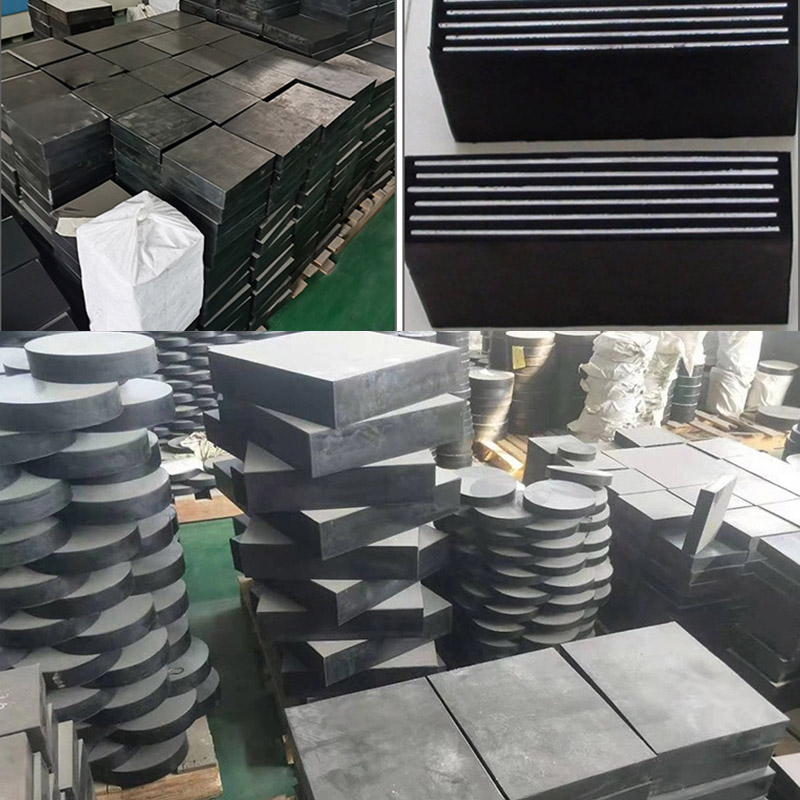 How Do You Verify a Bridge Bearing Pad Will Perform for 30 Years Before Installation?
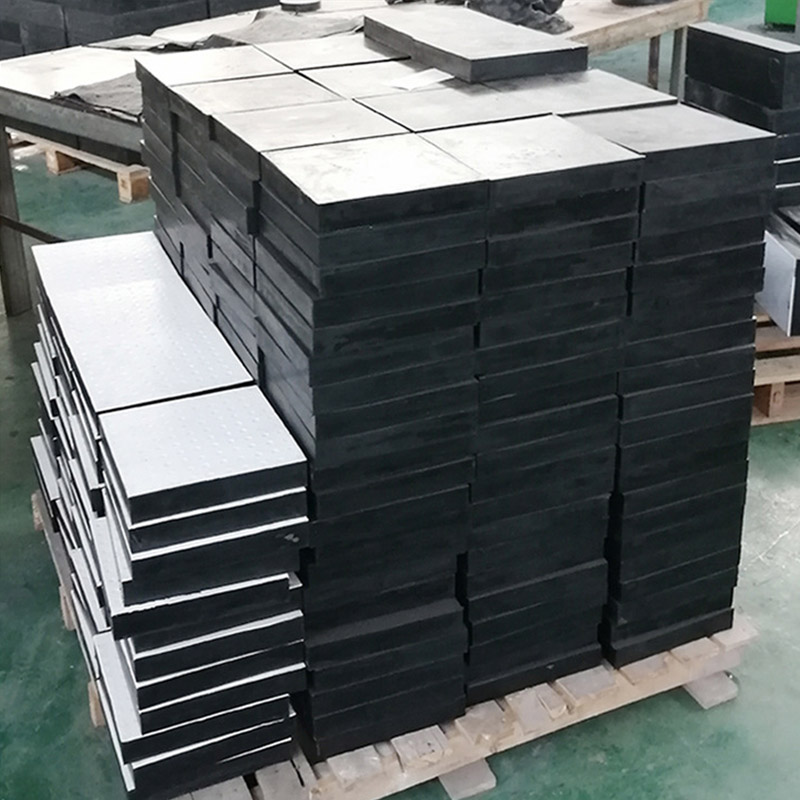 Why Do Some Bridge Bearing Pads Fail in Five Years While Others Last Fifty? A Root-Cause Analysis
 How Much Load Can a Bridge Bearing Pad Actually Carry? Engineering Data for Safe Girder Support