
Waterstops are critical components in construction, used to seal joints and prevent water infiltration in structures like basements, tunnels, and dams. Among the various materials available, rubber is a popular choice due to its flexibility, durability, and adaptability. However, a common question arises: Is rubber waterstop resistant to fungus? Fungal growth can compromise materials, leading to structural issues, health hazards, and costly repairs. This article explores the relationship between rubber waterstops and fungal resistance, examining factors like material composition, environmental conditions, and maintenance practices.
Understanding Rubber Waterstops
Rubber waterstops are engineered to withstand water pressure and movement in concrete joints. They are typically made from synthetic rubbers like ethylene propylene diene monomer (EPDM), neoprene, or nitrile. These materials are chosen for their elasticity, chemical resistance, and longevity. However, not all rubbers are created equal when it comes to fungal resistance.
Fungi thrive in damp, warm environments, making construction sites and underground structures vulnerable. If a waterstop lacks inherent antifungal properties, it could degrade over time, leading to cracks, leaks, or material breakdown. Understanding the base material’s susceptibility is the first step in assessing fungal resistance.
The Role of Material Composition
The type of rubber used in a waterstop significantly impacts its ability to resist fungus. EPDM, for example, is known for its excellent weathering and ozone resistance but has limited natural antifungal properties. Neoprene, on the other hand, offers better chemical and fungal resistance due to its chlorinated structure. Nitrile rubber, often used in oil-resistant applications, may also exhibit moderate resistance to fungi, though it is less common in waterstop manufacturing.
Manufacturers may enhance fungal resistance by adding antimicrobial agents during production. These additives create an inhospitable environment for fungi, preventing spore germination and growth. However, the effectiveness of such treatments depends on the concentration, type of additive, and long-term durability under environmental stress.
Environmental Factors That Influence Fungal Growth
Fungal proliferation is heavily influenced by environmental conditions. High humidity, poor ventilation, and stagnant water create ideal breeding grounds for mold and mildew. In construction settings, these factors are often unavoidable, especially in basements, bathrooms, or underground tunnels.
Temperature also plays a role. Fungi thrive between 77°F and 86°F (25°C to 30°C), making tropical or subtropical climates particularly challenging. Even in cooler regions, indoor heating systems can create microclimates conducive to growth. Additionally, organic debris—such as dust, leaves, or wood particles—can act as a food source, accelerating fungal colonization on rubber surfaces.
Proper installation and site management can mitigate these risks. Ensuring waterstops are installed in dry conditions, with adequate drainage and ventilation, reduces the likelihood of fungal infestation.
Testing Standards for Fungal Resistance
To guarantee performance, rubber waterstops undergo rigorous testing. Industry standards like ASTM G21 (Standard Practice for Determining Resistance of Synthetic Polymeric Materials to Fungi) evaluate how materials withstand fungal exposure over time. In these tests, samples are inoculated with fungal spores and monitored for degradation, discoloration, or weight loss.
Products that pass such tests earn certifications indicating their suitability for humid or fungal-prone environments. However, not all manufacturers subject their waterstops to these evaluations, leaving buyers to rely on claims rather than empirical data. Contractors and engineers should prioritize products with third-party certifications to ensure reliability.
Maintenance and Longevity Considerations
Even the most fungus-resistant rubber waterstop requires proper maintenance to retain its integrity. Regular inspections can detect early signs of fungal growth, such as discoloration, musty odors, or surface irregularities. If caught early, mild fungal infestations can often be cleaned with mild detergents or antifungal solutions.
In severe cases, however, replacement may be necessary. Fungi can penetrate the rubber’s surface, weakening its structural properties and compromising watertightness. To extend the lifespan of waterstops, contractors should:
Avoid installing materials in wet or contaminated conditions.
Use sealants or protective coatings in high-risk areas.
Implement drainage systems to prevent water accumulation.
Comparing Rubber to Alternative Materials
While rubber is a common choice, other materials offer superior fungal resistance. For instance, thermoplastic vulcanizates (TPVs) combine rubber’s flexibility with plastic’s durability, often including built-in antimicrobial properties. Metal waterstops, though less flexible, are immune to fungal growth but may corrode in certain environments.
PVC waterstops are another alternative, known for their chemical resistance and low maintenance. However, they may lack the elasticity of rubber, making them less suitable for joints subject to movement. The choice of material depends on project-specific needs, including environmental conditions, budget, and longevity requirements.
Conclusion: Balancing Performance and Practicality
The question of whether rubber waterstops resist fungus hinges on multiple factors, including material composition, environmental conditions, and maintenance practices. While some rubbers offer inherent resistance, others require additive treatments to meet fungal-resistance standards.
For projects in humid or fungal-prone areas, selecting a waterstop with proven antifungal properties—backed by certifications—is essential. Pairing this with proper installation and upkeep ensures long-term performance and structural integrity.
Ultimately, the decision between rubber and alternative materials depends on balancing cost, flexibility, and resistance to environmental threats. By understanding these dynamics, stakeholders can make informed choices that protect both infrastructure and investments.
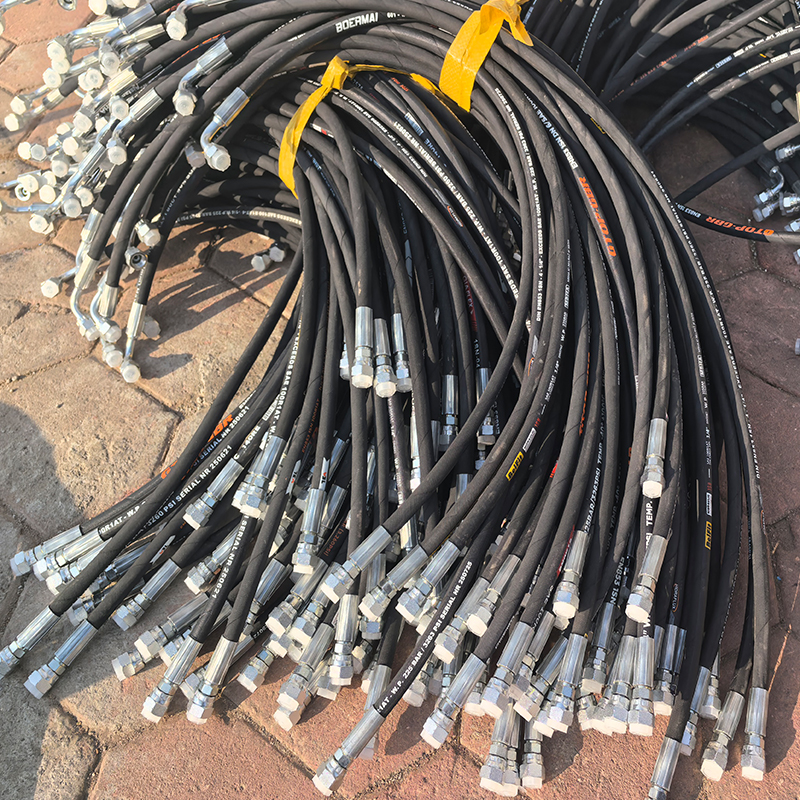 How to Create a Proactive Spiral Hydraulic Hose Replacement Plan That Prevents Downtime?
 Is Your Hydraulic System Overstressing? 5 Diagnostic Signs You Need to Upgrade to Spiral Hose
 Is Your Hydraulic System Pushing Limits? When to Specify Spiral Hose vs. Braided?
 Is Your Machinery Demanding More? Why Upgrade to a Spiral Hydraulic Hose?