
Installing a rubber plug may seem like a simple task, but it's crucial to ensure it's done correctly to prevent leaks, maintain functionality, and extend the lifespan of the equipment or system you're working on. Whether you're installing a rubber plug in a plumbing fixture, a mechanical component, or any other application, following proper installation instructions is essential. This comprehensive guide will walk you through the process step-by-step, ensuring a secure and effective installation.
Step 1: Gather Your Materials and Tools
Before you begin, make sure you have all the necessary materials and tools. You'll need:
The rubber plug itself (ensure it's the correct size and type for your application)
A cleaning cloth or rag
A mild detergent or cleaning solution
Water (for cleaning)
A measuring tape or ruler (if precise sizing is needed)
Lubricant (if required, such as silicone grease or a compatible lubricant for your application)
Safety gloves (optional but recommended for protection)
Having everything ready beforehand will make the installation process smoother and more efficient.
Step 2: Inspect the Rubber Plug
Carefully inspect the rubber plug for any defects or damages. Check for cracks, tears, or deformities that could compromise its sealing ability. Ensure that the plug matches the specifications and dimensions required for your particular application. If the plug is damaged or incorrect, it's best to replace it with a new one before proceeding.
Step 3: Clean the Installation Area
A clean surface is critical for a proper fit and seal. Use a mild detergent and water to clean the area where the rubber plug will be installed. Scrub away any dirt, grease, or debris that could interfere with the plug's ability to create a tight seal. Rinse the area thoroughly and allow it to dry completely before moving on to the next step.
Step 4: Measure and Prepare the Opening
If the rubber plug needs to fit into a specific opening, use a measuring tape or ruler to ensure the opening is the correct size. Sometimes, you may need to slightly enlarge or adjust the opening to accommodate the plug. Use appropriate tools for this task, taking care not to damage the surrounding material. If the opening is too large, consider using additional sealing materials or a different-sized plug.
Step 5: Apply Lubricant (If Necessary)
In some cases, applying a thin layer of lubricant to the rubber plug or the installation area can help facilitate easier insertion and improve the seal. Silicone grease or a compatible lubricant designed for your application can be used. Apply the lubricant sparingly, as too much can attract dirt and debris, compromising the seal over time.
Step 6: Insert the Rubber Plug
Now it's time to insert the rubber plug. Depending on the design and application, this step may vary slightly. Here are some general guidelines:
For Press-Fit Plugs: Align the plug with the opening and apply gentle, even pressure as you push it into place. Avoid twisting or forcing the plug, as this could damage it or the surrounding material.
For Threaded Plugs: If the plug has threads, screw it into the opening carefully. Ensure it's threaded correctly and tighten it until it's secure but not overly tight, as overtightening could strip the threads or damage the plug.
For Flange or Washer-Type Plugs: These may require additional components like washers or nuts to secure them in place. Follow the manufacturer's instructions for proper installation, ensuring all components are tightened to the recommended specifications.
Step 7: Check the Seal
Once the rubber plug is installed, it's essential to check the seal. If the plug is part of a plumbing system, you can test the seal by running water through the system and checking for leaks. For mechanical applications, you may need to perform a pressure test or inspect the area visually for any signs of leakage or improper fit.
If you detect a leak, carefully remove the plug and inspect both the plug and the installation area for any damage or debris that may be causing the issue. Clean the area again if necessary, and re-install the plug following the steps outlined above.
Step 8: Secure the Plug (If Required)
In some applications, the rubber plug may need to be secured with additional components like clamps, brackets, or ties. Follow the manufacturer's instructions for securing the plug, ensuring it's held in place securely without causing any distortion or stress to the rubber material.
Step 9: Perform Regular Maintenance
To ensure the longevity and effectiveness of the rubber plug, perform regular maintenance checks. Inspect the plug and the surrounding area periodically for any signs of wear, damage, or leakage. Clean the area as needed and replace the plug if it shows signs of deterioration or if it no longer provides an adequate seal.
Step 10: Dispose of Old Plugs Properly
If you need to replace the rubber plug, dispose of the old one properly. Depending on your local regulations, you may be able to recycle the plug or dispose of it in a landfill. If the plug contains any hazardous materials, follow the appropriate disposal guidelines to protect the environment and public health.
Installing a rubber plug may seem straightforward, but following proper installation instructions is crucial for ensuring a secure and effective seal. By gathering your materials, inspecting the plug, cleaning the installation area, measuring and preparing the opening, applying lubricant (if necessary), inserting the plug, checking the seal, securing the plug (if required), performing regular maintenance, and disposing of old plugs properly, you can ensure that your rubber plug provides reliable performance and longevity.
Remember, safety is always a priority when working with any tools or materials. Wear appropriate protective gear, such as gloves, and follow all manufacturer's instructions and local regulations to ensure a successful installation. With this comprehensive guide, you'll be well-equipped to handle any rubber plug installation with confidence and precision.
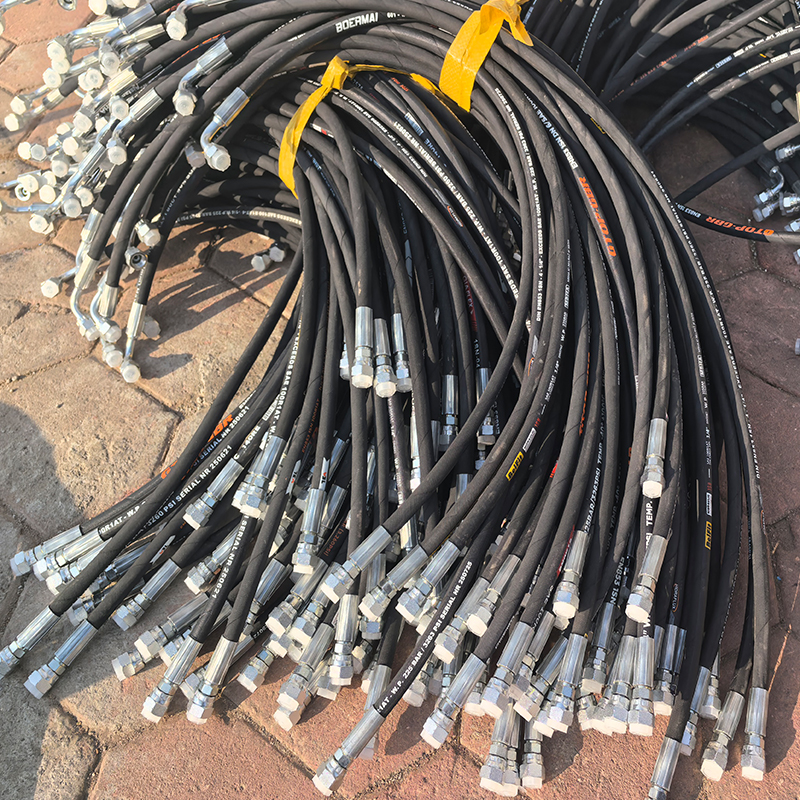 How to Create a Proactive Spiral Hydraulic Hose Replacement Plan That Prevents Downtime?
 Is Your Hydraulic System Overstressing? 5 Diagnostic Signs You Need to Upgrade to Spiral Hose
 Is Your Hydraulic System Pushing Limits? When to Specify Spiral Hose vs. Braided?
 Is Your Machinery Demanding More? Why Upgrade to a Spiral Hydraulic Hose?