
Rubber plugs are ubiquitous in various industrial applications, serving as versatile components that fulfill a multitude of functions. From sealing pipelines to protecting threaded holes during transportation, these unassuming devices play a critical role in maintaining the integrity and efficiency of industrial operations. Despite their widespread use, many professionals and enthusiasts alike may have questions about the specifics of rubber plugs, their applications, and their maintenance. This article aims to address some of the most frequently asked questions about rubber plugs in industrial use, providing comprehensive insights into these essential tools.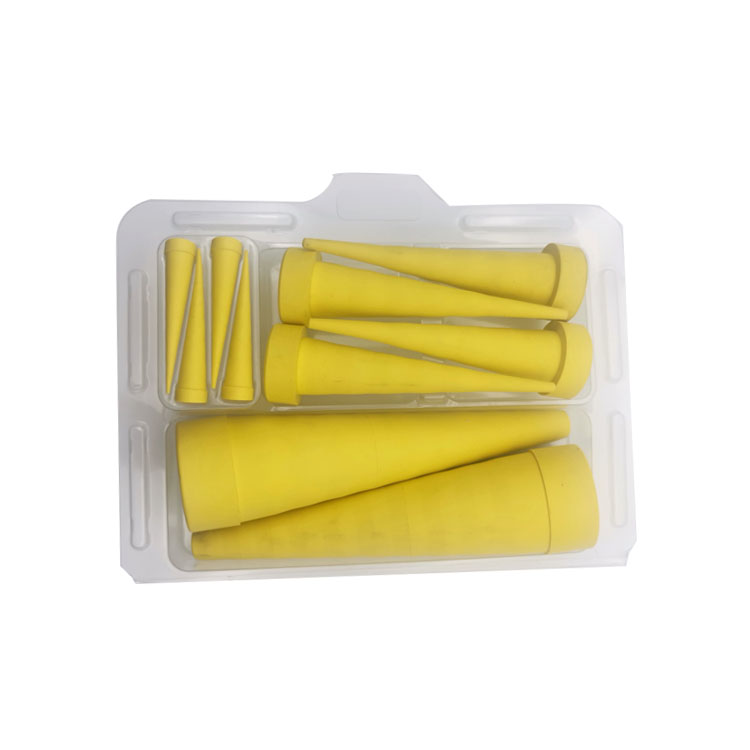
1. What are rubber plugs primarily used for in industrial settings?
Rubber plugs are primarily employed to seal openings or orifices in pipes, tubes, and other industrial equipment. They prevent the ingress or egress of fluids, gases, and solid particles, thereby maintaining the system's pressure, temperature, and overall functionality. Additionally, rubber plugs are used to protect threaded holes and connections from dust, moisture, and debris during storage or transportation.
2. What materials are rubber plugs typically made of?
Rubber plugs are manufactured from a variety of elastomeric materials, each with unique properties suited to different applications. Common materials include natural rubber, nitrile rubber (NBR), neoprene, silicone, and ethylene propylene diene monomer (EPDM). The choice of material depends on factors such as the fluid or gas being sealed, the operating temperature range, chemical resistance requirements, and the level of durability needed.
3. How do I select the right rubber plug for my application?
Selecting the appropriate rubber plug involves considering several factors. First, determine the size and shape of the opening to be sealed. Rubber plugs come in various diameters and lengths to fit different pipe sizes and configurations. Next, assess the operating conditions, including temperature, pressure, and the nature of the media being sealed. This will help you choose a material that can withstand these conditions without degrading or losing its sealing properties. Lastly, consider any specific requirements, such as resistance to chemicals, oils, or UV exposure, and select a plug that meets these criteria.
4. Can rubber plugs be used in high-pressure applications?
The suitability of rubber plugs for high-pressure applications depends on the material and design of the plug. Some elastomeric materials, such as nitrile rubber, have good resistance to high pressures and can be used in applications where pressure fluctuations are expected. However, it is essential to verify the pressure rating of the rubber plug and ensure it meets or exceeds the maximum operating pressure of your system. In some cases, specialized high-pressure plugs or alternative sealing solutions may be required.
5. How do I install a rubber plug correctly?
Installing a rubber plug correctly is crucial for ensuring a tight seal and preventing leaks. Begin by cleaning the surface of the opening to remove any dirt, grease, or debris that may interfere with the seal. If the plug has a threaded design, ensure the threads on the plug and the opening match and are free of damage. Lubricate the plug, if necessary, using a compatible lubricant to facilitate insertion and prevent damage to the rubber. Insert the plug gently but firmly, ensuring it is fully seated and aligned correctly. Finally, check for any signs of leakage and adjust the plug as needed to achieve a secure seal.
6. What are the common causes of rubber plug failures?
Several factors can contribute to the failure of a rubber plug. One of the most common causes is improper selection or installation, leading to an inadequate seal. Over time, rubber plugs can also degrade due to exposure to harsh chemicals, extreme temperatures, or UV radiation, causing them to lose their elasticity and sealing properties. Additionally, mechanical stress, such as excessive tightening or vibration, can damage the plug or cause it to dislodge from the opening. Regular inspection and maintenance can help identify potential issues before they lead to failures.
7. How do I maintain rubber plugs to extend their lifespan?
Maintaining rubber plugs involves several key practices. First, store them in a cool, dry place away from direct sunlight and sources of heat to prevent premature aging. Avoid exposing them to harsh chemicals or solvents that could degrade the rubber. Inspect the plugs regularly for signs of wear, damage, or deformation, and replace them as needed. When cleaning rubber plugs, use mild soap and water or a suitable cleaning agent recommended by the manufacturer. Avoid using abrasive materials or strong chemicals that could damage the rubber surface.
8. Can rubber plugs be reused?
The reusability of rubber plugs depends on their condition and the application. In many cases, rubber plugs can be reused if they are in good condition and have not been damaged or deformed during previous use. However, it is essential to inspect the plugs carefully before reusing them and replace any that show signs of wear, cracking, or other damage. Additionally, some rubber plugs may be designed for single-use applications or may not retain their sealing properties after being removed and reinstalled multiple times.
9. Are there any environmental considerations when using rubber plugs?
Environmental considerations are an important aspect of using rubber plugs. Some elastomeric materials may contain compounds that can be harmful to the environment if not disposed of properly. It is essential to follow local regulations and guidelines for the disposal of rubber products. Additionally, choosing rubber plugs made from environmentally friendly or recyclable materials can help reduce the environmental impact of your industrial operations.
10. Where can I find more information about rubber plugs and their applications?
There are several resources available for learning more about rubber plugs and their industrial applications. Industry associations, trade publications, and manufacturer websites are excellent sources of information. Additionally, consulting with a knowledgeable supplier or distributor can provide valuable insights and guidance on selecting the right rubber plug for your specific needs.
In conclusion, rubber plugs are versatile and essential components in many industrial applications, providing reliable sealing solutions for a wide range of systems and equipment. By understanding the factors that influence their selection, installation, and maintenance, you can ensure that your rubber plugs perform effectively and efficiently, contributing to the success of your industrial operations.
 How to Create a Proactive Spiral Hydraulic Hose Replacement Plan That Prevents Downtime?
 Is Your Hydraulic System Overstressing? 5 Diagnostic Signs You Need to Upgrade to Spiral Hose
 Is Your Hydraulic System Pushing Limits? When to Specify Spiral Hose vs. Braided?
 Is Your Machinery Demanding More? Why Upgrade to a Spiral Hydraulic Hose?