
Rubber plugs are ubiquitous in various industries, serving as essential components in applications ranging from automotive and aerospace to plumbing and electronics. Their primary function is to seal openings, prevent leaks, and protect sensitive parts from environmental contaminants. The efficacy of a rubber plug largely depends on the material it is made from, as different materials offer varying levels of durability, flexibility, resistance to chemicals, and temperature tolerance. This guide aims to provide an overview of the most common rubber plug materials and their respective properties to help you make an informed decision for your specific needs.
1. Natural Rubber (NR)
Natural rubber, derived from the latex of rubber trees, is one of the oldest and most widely used elastomers. It is known for its excellent elasticity, high tensile strength, and good tear resistance. Natural rubber plugs are particularly suitable for applications where flexibility and resilience are crucial, such as in plumbing systems and automotive parts. They can withstand a wide range of temperatures and are relatively inexpensive. However, natural rubber is susceptible to degradation by oils, solvents, and ozone, which may limit its use in certain environments.
2. Styrene-Butadiene Rubber (SBR)
Styrene-butadiene rubber is a synthetic elastomer that offers a good balance of properties similar to natural rubber but at a often lower cost. SBR plugs are widely used in general-purpose applications where moderate resistance to abrasion, tears, and cuts is required. They have good flexibility and can operate in a range of temperatures. However, SBR is less resistant to oils and solvents compared to some other materials, and its performance can deteriorate when exposed to sunlight or ozone over time.
3. Nitrile Rubber (NBR)
Nitrile rubber, also known as acrylonitrile-butadiene rubber, is a popular choice for rubber plugs due to its excellent resistance to oils, fuels, and many chemicals. It combines good mechanical properties with high abrasion resistance and can operate in a wide temperature range. Nitrile plugs are commonly used in automotive, aerospace, and industrial applications where exposure to petroleum-based products or chemicals is likely. However, nitrile rubber is not suitable for use with strong acids, ketones, or aromatic hydrocarbons, as it may degrade or swell.
4. Ethylene Propylene Diene Monomer (EPDM)
EPDM rubber is known for its outstanding resistance to weathering, ozone, and UV radiation, making it an ideal choice for outdoor applications. It also has good resistance to water, steam, and many chemicals. EPDM plugs are often used in plumbing, roofing, and electrical insulation applications. They offer excellent flexibility and can operate in a wide temperature range, including low temperatures. However, EPDM has limited resistance to oils and solvents, and it may not be suitable for applications requiring high tensile strength or tear resistance.
5. Chloroprene Rubber (CR)
Chloroprene rubber, commonly known as neoprene, is a synthetic elastomer that offers a unique combination of properties, including good oil and chemical resistance, flame retardancy, and excellent weathering resistance. Neoprene plugs are often used in automotive, marine, and electrical applications where durability and resistance to environmental factors are essential. They have good flexibility and can operate in a wide temperature range. However, neoprene may not be as resistant to certain chemicals, such as strong acids or aromatic hydrocarbons, as some other materials.
6. Silicone Rubber (VMQ)
Silicone rubber is highly valued for its excellent heat resistance, electrical insulation properties, and chemical stability. Silicone plugs can operate at extremely high temperatures without losing their elasticity or mechanical properties. They are also resistant to a wide range of chemicals, including oils, solvents, and acids. Silicone rubber is often used in high-temperature applications, such as in electronics, automotive, and aerospace industries. However, silicone has relatively low tensile strength and tear resistance compared to other elastomers, and it may be more expensive.
7. Fluoroelastomers (FKM/FPM)
Fluoroelastomers, also known as Viton or Fluorocarbon elastomers, are known for their exceptional resistance to high temperatures, chemicals, and oils. They offer outstanding performance in harsh environments where other elastomers may fail. Fluoroelastomer plugs are commonly used in automotive, aerospace, and chemical processing applications where exposure to extreme conditions is likely. They have excellent mechanical properties and can operate in a wide temperature range. However, fluoroelastomers are generally more expensive than other materials and may not be suitable for applications requiring high flexibility or elasticity.
8. Butyl Rubber (IIR)
Butyl rubber is known for its excellent gas and moisture barrier properties, making it an ideal choice for applications where air or water tightness is critical. It has good resistance to chemicals, oils, and solvents and can operate in a wide temperature range. Butyl plugs are often used in tires, inner tubes, and sealing applications in the automotive and construction industries. However, butyl rubber has relatively low tensile strength and tear resistance compared to other elastomers, and it may not be suitable for applications requiring high flexibility.
When selecting the appropriate rubber material for your plug, consider the specific requirements of your application, including the operating temperature range, exposure to chemicals or oils, and mechanical properties needed. Each material has its advantages and limitations, and the best choice will depend on the unique circumstances of your application.
In addition to the material selection, the design and manufacturing process of the rubber plug also play a crucial role in its performance. Proper mold design, accurate dimensioning, and quality control during production ensure that the plug fits correctly, seals effectively, and meets the required specifications.
In conclusion, rubber plugs are versatile components that can be tailored to meet the specific needs of various applications by choosing the appropriate material. Understanding the properties and limitations of different rubber materials will help you make an informed decision and ensure the reliability and longevity of your rubber plugs. Whether you are working on an automotive, aerospace, plumbing, or electronics project, selecting the right rubber material is essential for the success of your application.
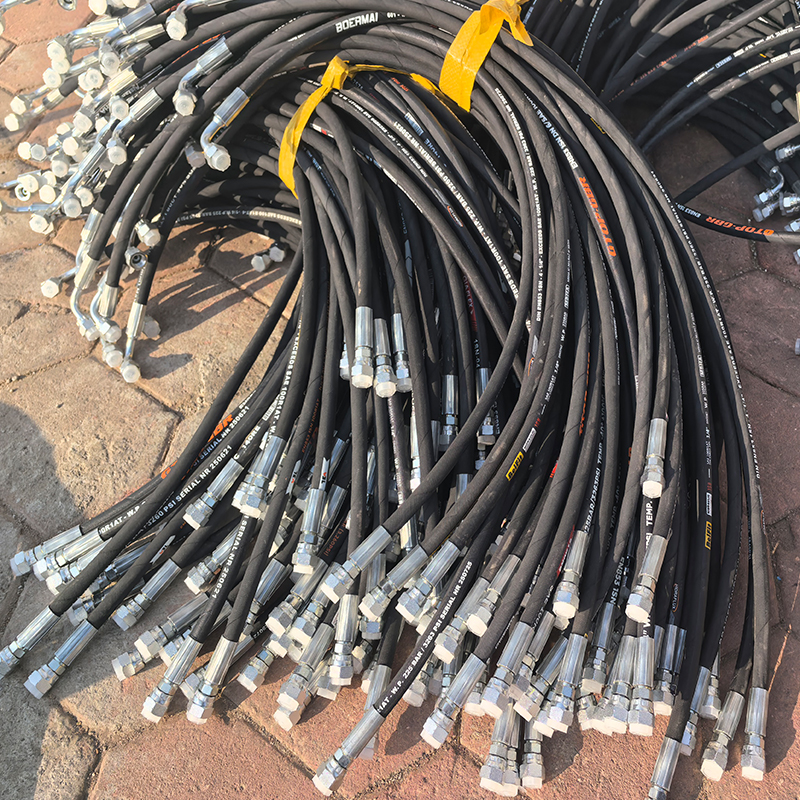 How to Create a Proactive Spiral Hydraulic Hose Replacement Plan That Prevents Downtime?
 Is Your Hydraulic System Overstressing? 5 Diagnostic Signs You Need to Upgrade to Spiral Hose
 Is Your Hydraulic System Pushing Limits? When to Specify Spiral Hose vs. Braided?
 Is Your Machinery Demanding More? Why Upgrade to a Spiral Hydraulic Hose?