
Rubber plugs, though seemingly unassuming and often overlooked, play a crucial role in various industries and everyday life. These small, versatile components are crafted from elastomeric materials, primarily rubber, and are designed to fit into openings or orifices to serve a multitude of purposes. From sealing pipes to preventing leakage in containers, rubber plugs have proven their worth in countless applications. In this comprehensive exploration, we delve into the myriad uses of rubber plugs, shedding light on their significance and the reasons behind their widespread adoption.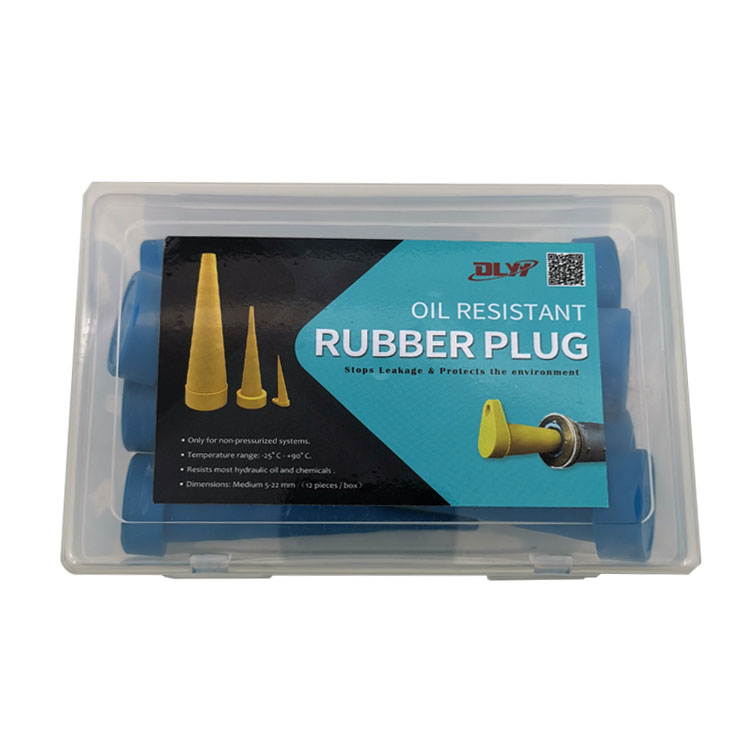
One of the primary functions of rubber plugs is to provide an effective seal. In plumbing systems, for instance, rubber plugs are indispensable. They are used to temporarily or permanently seal pipe ends, preventing the escape of fluids or gases. This is particularly important during maintenance work or when a section of the piping needs to be isolated. The elastomeric properties of rubber allow it to conform to the shape of the pipe, creating a tight, leak-proof seal. Furthermore, rubber's resistance to water, chemicals, and temperature fluctuations makes it an ideal choice for such applications.
In the automotive industry, rubber plugs are employed in various capacities. They are used to seal oil and coolant passages in engines, ensuring that these vital fluids do not leak out. Engine oil and coolant are essential for the proper functioning of an engine, and any leakage can lead to severe damage or even engine failure. Rubber plugs, with their ability to withstand high pressures and temperatures, provide a reliable solution to this problem. They are also used in tire valves to maintain the correct tire pressure, ensuring safe and efficient vehicle operation.
The aerospace industry, known for its stringent requirements and zero-tolerance for errors, also relies on rubber plugs. In aircraft, these plugs are used to seal fuel tanks, hydraulic systems, and various other components. The material's resistance to extreme temperatures, fuels, and hydraulic fluids is critical in this context. Any leakage in an aircraft can have catastrophic consequences, making the reliability of rubber plugs paramount.
Rubber plugs find extensive use in laboratories and scientific research facilities as well. They are used to seal test tubes, flasks, and other containers, preventing the contamination of samples or the escape of hazardous materials. The chemical resistance of rubber ensures that it does not react with the substances being stored, preserving the integrity of the samples. Additionally, rubber plugs are easy to clean and reuse, making them a cost-effective solution for laboratories.
In the construction industry, rubber plugs are employed to seal openings in walls, floors, and roofs. This is particularly important in buildings where waterproofing is essential, such as bathrooms, kitchens, and basements. By sealing these openings, rubber plugs help prevent water infiltration, which can lead to mold growth, structural damage, and other issues. They are also used to seal joints and seams in concrete structures, providing an additional layer of protection against water ingress.
The electronics industry benefits from the use of rubber plugs in several ways. They are used to seal openings in electronic enclosures, protecting sensitive components from dust, moisture, and other contaminants. This is crucial in ensuring the longevity and reliability of electronic devices. Rubber plugs are also used in cable glands to secure and seal cables entering or exiting an enclosure, preventing the ingress of water and other foreign materials.
In the marine industry, rubber plugs are vital for sealing hull openings, such as those for through-hull fittings and scuppers. These plugs help maintain the buoyancy of the vessel by preventing water from entering the interior. They are also used in seacocks and other valves to control the flow of water into and out of the boat. The durability and corrosion resistance of rubber make it an ideal material for marine applications.
Rubber plugs are not limited to industrial uses; they also have numerous applications in everyday life. In the home, they can be used to seal drains when not in use, preventing unpleasant odors from entering the living space. They are also useful for sealing jars and bottles, preserving the freshness of food and beverages. Gardeners use rubber plugs to seal holes in hoses, preventing water leakage and ensuring efficient watering.
Moreover, rubber plugs are essential in sports and recreational activities. They are used to seal air valves in inflatable items such as tires, balls, and rafts. This helps maintain the correct air pressure, ensuring optimal performance and safety. In diving, rubber plugs are used to seal scuba tank valves, preventing water from entering the tank and damaging the internal components.
The versatility of rubber plugs extends to the arts and crafts sector as well. They can be used as stoppers in paint cans, preventing the paint from drying out. Artists and craftspeople also use them to create various textures and patterns in their work, taking advantage of rubber's malleability and durability.
In emergency situations, rubber plugs can be lifesavers. They can be used to temporarily seal leaks in boats, vehicles, or even buildings, buying valuable time until a permanent repair can be made. This makes them an essential item in emergency kits and survival gear.
The environmental benefits of rubber plugs should not be overlooked either. By preventing leaks and reducing the need for repairs, they help conserve resources and reduce waste. In industrial settings, they contribute to maintaining the efficiency of processes, reducing downtime, and minimizing energy consumption.
In conclusion, rubber plugs are a testament to the ingenuity and versatility of elastomeric materials. Their ability to provide a tight, reliable seal in a wide range of conditions and applications makes them indispensable in numerous industries and everyday life. From plumbing and automotive to aerospace and electronics, rubber plugs play a critical role in ensuring the safe, efficient, and reliable operation of countless systems and devices. As technology advances and new materials are developed, the uses of rubber plugs will undoubtedly continue to expand, further cementing their status as an essential component in modern life.
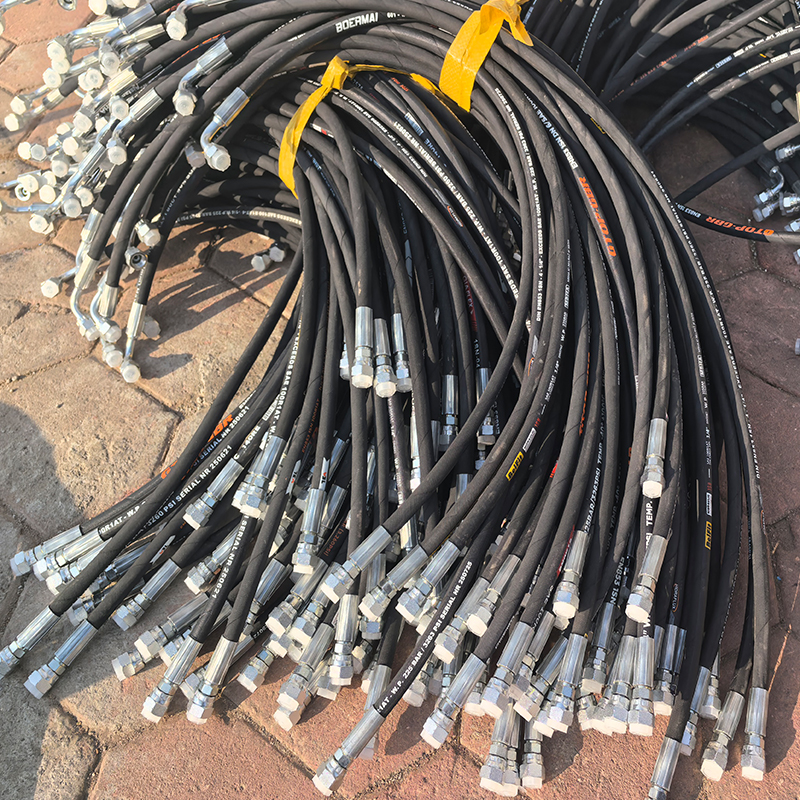 How to Create a Proactive Spiral Hydraulic Hose Replacement Plan That Prevents Downtime?
 Is Your Hydraulic System Overstressing? 5 Diagnostic Signs You Need to Upgrade to Spiral Hose
 Is Your Hydraulic System Pushing Limits? When to Specify Spiral Hose vs. Braided?
 Is Your Machinery Demanding More? Why Upgrade to a Spiral Hydraulic Hose?