
In industries ranging from aerospace to medical technology, equipment often operates in environments where exposure to radiation is unavoidable. Whether it’s the sterile lighting of a nuclear medicine facility, the high-energy particles in outer space, or the controlled conditions of industrial research labs, components must withstand not just physical stress but also the invisible challenges posed by radiation. Among these components, a small yet critical part—commonly known as a rubber plug—plays a pivotal role in ensuring safety, functionality, and longevity. This article explores how rubber plugs perform under radiation, their material science, and why they are indispensable in high-stakes settings.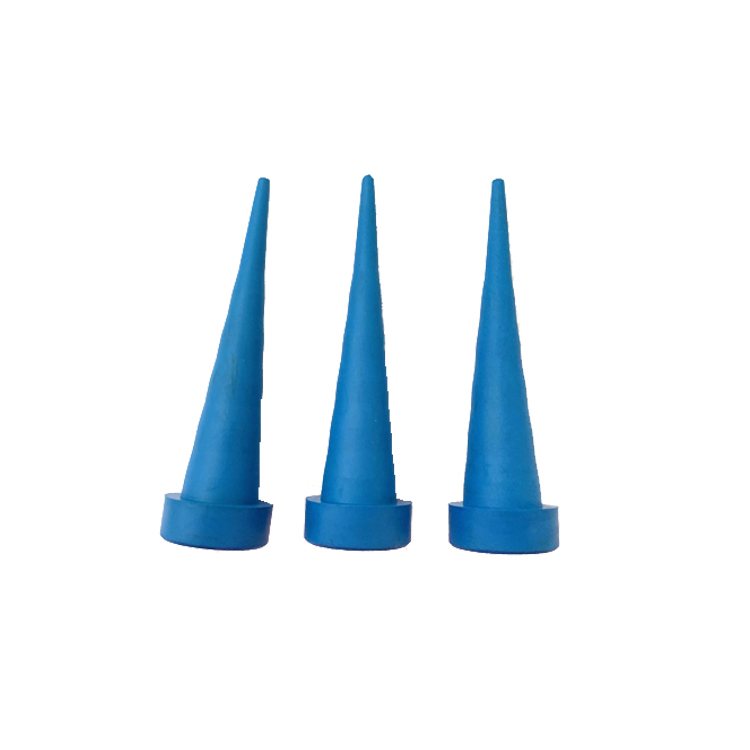
The Silent Guardian: What Makes Rubber Plugs Essential
Rubber plugs are deceptively simple in design but serve complex purposes. Acting as seals, barriers, or connectors, they prevent leaks, block contaminants, and maintain pressure in systems exposed to extreme conditions. In radiation-heavy environments, their role becomes even more critical. Imagine a nuclear reactor’s cooling system or a spacecraft’s fuel tank: a failure in sealing could lead to catastrophic consequences. Rubber plugs, often overlooked, are the first line of defense against such risks. Their ability to resist degradation while maintaining flexibility under radiation exposure makes them irreplaceable in industries where failure is not an option.
Material Science: The Secret to Radiation Resistance
Not all rubber is created equal. The performance of rubber plugs in radiation environments hinges on their molecular composition. Traditional rubbers, such as natural rubber, degrade quickly when exposed to gamma rays, X-rays, or neutron radiation. However, advanced synthetic elastomers—like silicone, fluorocarbon, or specially engineered blends—are designed to endure. These materials possess cross-linked polymer chains that resist breaking down under radiation bombardment. For instance, silicone-based plugs retain elasticity even after prolonged exposure, while fluorocarbon variants offer superior chemical resistance alongside radiation tolerance. The choice of material depends on the specific radiation type, intensity, and operational temperature, ensuring tailored solutions for every application.
Shielding Against the Invisible: How Rubber Plugs Block Radiation
While rubber plugs are not primary radiation shields, their design can mitigate secondary effects. Dense, radiation-absorbing fillers—such as tungsten or lead compounds—can be incorporated into the rubber matrix to reduce gamma ray penetration. However, their primary function remains mechanical: preventing leaks that could allow radioactive substances to escape. In medical devices, like radiation therapy machines, plugs seal fluid pathways, ensuring precise delivery of treatments without contamination risks. Similarly, in nuclear power plants, they maintain the integrity of coolant systems, preventing radioactive leaks. The interplay between material durability and design precision is what makes rubber plugs effective in these scenarios.
Temperature Extremes: When Radiation Meets Heat or Cold
Radiation environments often coincide with extreme temperatures. Spacecraft re-entering Earth’s atmosphere face scorching heat, while nuclear reactors operate at high temperatures to sustain fission. Conversely, cryogenic systems in aerospace or medical storage require components to function at sub-zero temperatures. Rubber plugs must adapt to these swings without losing sealing capabilities. Advanced elastomers are engineered to remain pliable in cold and stable under heat, resisting thermal expansion or contraction that could compromise seals. This thermal stability ensures performance consistency, whether a plug is securing a rocket engine or a laboratory freezer containing radioactive samples.
Aging Gracefully: Longevity in Harsh Conditions
Radiation accelerates material aging, causing brittleness, cracking, or loss of elasticity. For rubber plugs, this means a shorter lifespan if not designed for durability. Manufacturers address this through antioxidant additives and cross-linking agents that slow degradation. For example, peroxide-cured rubbers exhibit better radiation resistance than sulfur-cured alternatives. Additionally, regular testing—such as compression set analysis or tensile strength evaluations—ensures plugs meet longevity standards. In industries like nuclear energy, where equipment may remain in service for decades, predicting and extending the lifespan of rubber plugs is crucial for safety and cost efficiency.
Beyond Earth: Rubber Plugs in Space Exploration
The vacuum of space presents unique challenges: no atmospheric pressure, extreme temperature fluctuations, and cosmic radiation. Rubber plugs used in spacecraft must withstand these conditions while maintaining airtight seals. For instance, fuel lines in rockets rely on plugs that prevent leaks during launch and re-entry. Similarly, habitats on the Moon or Mars require plugs to seal life-support systems against radiation and micrometeoroids. Space-grade rubber plugs often incorporate multi-layer designs, combining radiation-absorbing materials with flexible elastomers. Their reliability ensures astronaut safety and mission success, proving that even in the harshness of space, small components make a big difference.
The Future of Radiation-Resistant Rubber Plugs
As technology advances, so do the demands on rubber plugs. Innovations like self-healing elastomers—capable of repairing minor cracks caused by radiation—are on the horizon. Nanotechnology could introduce materials with even higher radiation tolerance, while 3D printing enables custom shapes for niche applications. Additionally, sustainable manufacturing practices aim to reduce environmental impact without compromising performance. The future will likely see rubber plugs becoming smarter, with embedded sensors to monitor degradation in real time, providing proactive maintenance alerts.
Conclusion: Small Parts, Big Impact
Rubber plugs may seem inconspicuous, but their role in radiation environments is anything but minor. From nuclear facilities to interplanetary missions, they ensure systems operate safely and efficiently. Their performance hinges on material science, design precision, and adaptability to extreme conditions. As industries push the boundaries of what’s possible, the humble rubber plug will continue to evolve, proving that even the smallest components can withstand the toughest challenges. In a world where radiation is both a tool and a threat, these unassuming parts are quiet heroes, holding the line between success and disaster.
 How to Create a Proactive Spiral Hydraulic Hose Replacement Plan That Prevents Downtime?
 Is Your Hydraulic System Overstressing? 5 Diagnostic Signs You Need to Upgrade to Spiral Hose
 Is Your Hydraulic System Pushing Limits? When to Specify Spiral Hose vs. Braided?
 Is Your Machinery Demanding More? Why Upgrade to a Spiral Hydraulic Hose?