
When it comes to sealing gaps, preventing leaks, or creating airtight connections, rubber plugs are indispensable tools across industries like automotive repair, plumbing, and DIY home projects. However, to maximize their effectiveness, many users pair them with adhesives. This combination ensures a secure, long-lasting bond that withstands pressure, temperature changes, and environmental stressors. Whether you’re a professional mechanic or a weekend DIY enthusiast, understanding how to properly use adhesives with rubber plugs can save time, money, and frustration. Let’s explore the key considerations for achieving a flawless seal every time.
Why Pair Rubber Plugs with Adhesives?
Rubber plugs excel at blocking openings, but their grip isn’t always permanent. Vibrations, moisture, or repeated use can loosen them over time. Adhesives solve this problem by creating a chemical or mechanical bond between the plug and the surface it’s sealing. This dual-layer protection is especially critical in applications where leaks could cause damage, such as in automotive cooling systems or household plumbing.
Adhesives also enhance versatility. For example, a rubber plug designed for a standard hole might not fit perfectly in an irregularly shaped opening. A layer of adhesive can fill minor gaps, ensuring a snug fit even in non-standard spaces. Additionally, adhesives can act as a barrier against corrosion, extending the lifespan of both the plug and the surrounding material.
Choosing the Right Adhesive for the Job
Not all adhesives are created equal, and selecting the wrong type can lead to weak bonds or material damage. The ideal adhesive depends on factors like the rubber’s composition, the surface material (metal, plastic, etc.), and the environmental conditions the seal will face.
Silicone-Based Adhesives: These are popular for their flexibility and resistance to water, heat, and UV rays. They’re ideal for outdoor applications or areas exposed to moisture, such as pool equipment or outdoor machinery.
Epoxy Resins: Known for their strength, epoxies create rigid bonds suitable for high-pressure environments, like engine components or industrial machinery. However, they’re less flexible once cured, so they’re best for static applications.
Polyurethane Adhesives: These offer a balance of flexibility and durability, making them versatile for both indoor and outdoor uses. They also resist chemicals, which is beneficial in automotive or manufacturing settings.
Cyanoacrylate (Super Glue): While fast-acting, super glue can become brittle over time and may not hold up under prolonged stress. It’s better suited for temporary fixes or low-pressure applications.
Always test the adhesive on a small area first to ensure compatibility with the rubber and surface materials.
Preparing the Surface for Optimal Adhesion
Even the best adhesive will fail if the surface isn’t properly prepped. Dirt, oil, or old adhesive residue can create barriers that prevent a strong bond. Start by cleaning the area thoroughly with a degreaser or isopropyl alcohol. Use a scrub brush or cloth to remove stubborn grime, and let the surface dry completely.
For rough or uneven surfaces, lightly sand the area to create a textured surface that the adhesive can grip. Wipe away any dust afterward. If the rubber plug itself has a release agent or coating from manufacturing, gently clean it with a mild solvent to ensure the adhesive adheres directly to the rubber.
Applying the Adhesive: Techniques for Success
The method of application matters just as much as the adhesive choice. For small plugs, a thin, even layer of adhesive around the base is often sufficient. Use a brush, syringe, or precision applicator to avoid excess glue, which can ooze out and create a messy seal.
For larger plugs or irregular shapes, apply adhesive to both the plug and the surface. Press the plug firmly into place, twisting slightly to ensure full contact. Hold it in position for the time recommended by the adhesive manufacturer (usually 30 seconds to a few minutes) to allow initial bonding.
Avoid moving the plug during the curing process, as this can weaken the bond. Some adhesives require 24 hours or more to reach full strength, so plan projects accordingly.
Curing Time and Environmental Factors
Patience is key when working with adhesives. Rushing the process by testing the seal too soon can compromise the bond. Humidity, temperature, and airflow all influence curing times. For example, high humidity can slow down the drying of water-based adhesives, while cold temperatures may prolong the curing of epoxies.
If possible, work in a controlled environment with moderate temperature and low humidity. For outdoor projects, choose adhesives rated for the expected weather conditions. Some products offer “quick-cure” options, but always verify that the bond has reached its maximum strength before subjecting it to stress.
Common Mistakes to Avoid
Even experienced users make errors when pairing rubber plugs with adhesives. One common mistake is using too much adhesive, which can lead to messy overflow and reduced bond strength. Another is skipping surface preparation, resulting in a weak connection that fails prematurely.
Using the wrong adhesive type is equally risky. For instance, applying a rigid epoxy to a flexible rubber plug in a vibrating environment may cause the bond to crack. Always match the adhesive’s properties to the application’s demands.
Finally, don’t ignore safety precautions. Work in a well-ventilated area when using solvent-based adhesives, and wear gloves to protect your skin.
When to Seek Professional Help
While many rubber plug and adhesive projects are DIY-friendly, some scenarios call for expert assistance. Complex industrial systems, high-pressure vessels, or critical infrastructure (like water mains) often require specialized adhesives and application techniques. In such cases, consult a professional to ensure compliance with safety standards and avoid costly failures.
Conclusion: The Power of a Proper Seal
Pairing rubber plugs with the right adhesive transforms a temporary fix into a durable, reliable solution. By understanding the materials involved, preparing surfaces meticulously, and following application guidelines, users can achieve seals that withstand the test of time. Whether you’re patching a leaky pipe or securing components in a vehicle, this combination offers peace of mind and efficiency. With a little knowledge and care, anyone can master the art of using adhesives with rubber plugs—turning everyday challenges into solved problems.
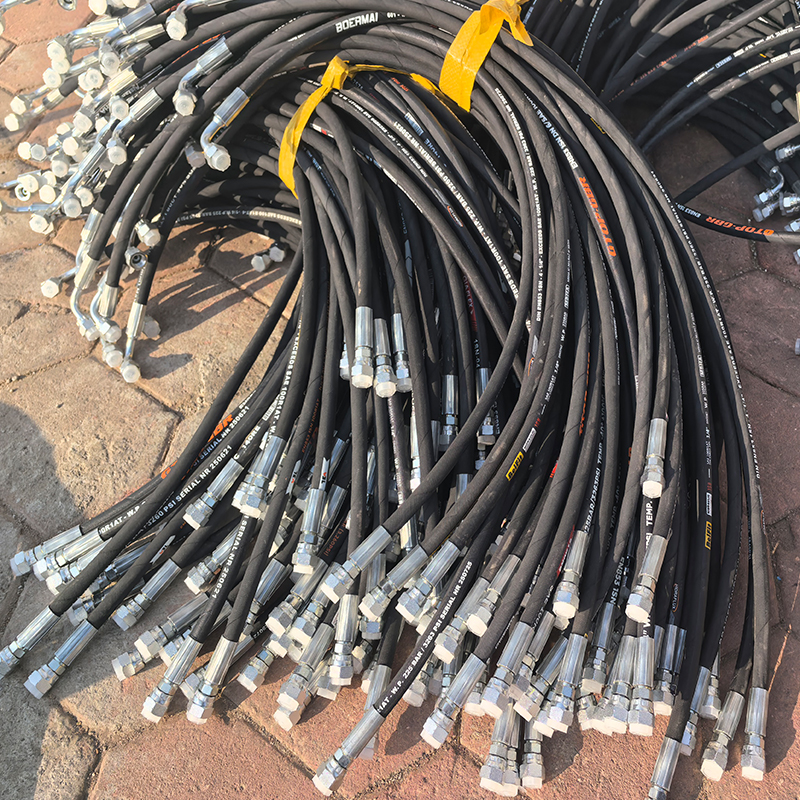 How to Create a Proactive Spiral Hydraulic Hose Replacement Plan That Prevents Downtime?
 Is Your Hydraulic System Overstressing? 5 Diagnostic Signs You Need to Upgrade to Spiral Hose
 Is Your Hydraulic System Pushing Limits? When to Specify Spiral Hose vs. Braided?
 Is Your Machinery Demanding More? Why Upgrade to a Spiral Hydraulic Hose?