
The efficacy of rubber plugs when subjected to pressure is of paramount importance across a spectrum of industries, particularly in scenarios where resilience against elevated pressures and temperatures is indispensable. This comprehensive analysis delves into the attributes and refinement tactics for rubber plugs, aiming to guarantee their dependable performance under such demanding conditions.
Applications of Rubber Plugs
Rubber plugs find extensive utilization in diverse applications, encompassing:
Automotive Components: These include pressure tubes, brake lines, and steering system elements. Their role in automotive applications underscores the necessity for robust pressure and temperature resistance to ensure vehicular safety and efficiency.
Oil and Gas Industry: In this sector, rubber plugs are employed for sealing purposes in packers utilized during hydraulic fracturing operations. The challenging high-pressure and high-temperature (HPHT) environments demand materials that can withstand extreme conditions without compromising on performance.
Engineering: Rubber plugs serve as pressure-resistant components in construction and manufacturing processes. Their ability to maintain integrity under pressure is crucial for the successful execution of various engineering projects.
Factors Influencing Rubber Plug Performance Under Pressure
Material Selection
The selection of material is a pivotal factor, as different rubber types exhibit varying degrees of resistance to pressure and temperature. Some common rubber materials include:
Nitrile Rubber (NBR): Renowned for its excellent oil resistance and moderate temperature tolerance, NBR is a popular choice in applications where exposure to oils and moderate heat is anticipated.
Ethylene Propylene Rubber (EPDM): This material offers good resistance to ozone, weathering, and temperature fluctuations. Its versatility makes it suitable for outdoor and general-purpose applications where environmental factors may come into play.
Fluorine Rubber (FKM): Known for its high chemical resistance and outstanding temperature resistance up to 260°C, FKM is the material of choice for applications involving aggressive chemicals and high temperatures.
Structural Optimization
Enhancing the structural design of rubber plugs can markedly elevate their performance under pressure. Various techniques can be employed:
Expanding Backup Rings: These rings play a crucial role in creating a superior seal by expanding and conforming to the inner surface of the pipeline or container. This adaptability ensures a tight and reliable seal, even under varying pressure conditions.
Material Combinations: Utilizing a blend of materials, such as combining AFLAS (a type of fluoroelastomer) with other materials, can offer enhanced HPHT resistance compared to using a single material like HNBR (nitrile rubber). This approach leverages the strengths of multiple materials to achieve superior performance.
Testing and Validation
To ascertain the reliability of rubber plugs under pressure, rigorous testing and validation procedures are imperative:
Simulations: Advanced computational tools, like ABAQUS, can simulate the performance of rubber plugs under a wide range of conditions. These simulations provide valuable insights into how the plugs will behave in real-world scenarios, allowing for design adjustments and optimizations.
Experiments: Conducting practical tests in controlled environments is essential to validate the simulation results and confirm that the plugs meet the required performance standards. These experiments help to identify any potential issues and ensure that the plugs are ready for deployment in demanding applications.
Optimization Strategies for Rubber Plugs
Material Optimization
Refining the material composition of rubber plugs can significantly improve their resistance to high pressure and temperature:
AFLAS: This material has demonstrated superior performance compared to HNBR in HPHT conditions, withstanding temperatures up to 170°C and pressures up to 70 MPa. Its enhanced thermal and pressure resistance makes it an ideal choice for challenging applications.
Polymer Blends: By combining different polymers, the overall performance of rubber plugs can be enhanced. This approach allows for the creation of materials with tailored properties that meet the specific requirements of different applications.
Structural Optimization Techniques
Structural enhancements can further improve the sealing capabilities and durability of rubber plugs:
Expanding Backup Rings: As mentioned earlier, these rings contribute to a more effective seal by expanding and conforming to the inner surface. This adaptability ensures a tight seal, even in the presence of pressure fluctuations.
Multi-Stage Optimization: A systematic approach involving iterative improvements can help identify and address the weakest spots in the rubber plug structure. By continuously refining the design, the overall performance and reliability of the plugs can be significantly enhanced.
Additional Considerations
Beyond material selection and structural optimization, other factors can also impact the performance of rubber plugs under pressure. These include:
Manufacturing Processes: The precision and quality of the manufacturing process can affect the consistency and reliability of the rubber plugs. Ensuring tight control over manufacturing parameters is essential to maintain high standards.
Environmental Factors: The operating environment can have a significant impact on the performance of rubber plugs. Factors such as exposure to chemicals, temperature fluctuations, and mechanical stress must be considered when designing and selecting rubber plugs.
Maintenance and Inspection: Regular maintenance and inspection of rubber plugs are crucial to ensure their continued performance and reliability. Identifying and addressing any signs of wear or damage promptly can prevent potential failures and extend the lifespan of the plugs.
Future Developments
The field of rubber plug technology is continuously evolving, driven by advancements in materials science, manufacturing processes, and testing techniques. Ongoing research and development efforts are focused on improving the performance, durability, and reliability of rubber plugs in high-pressure and high-temperature environments.
Emerging materials with enhanced properties are being explored, and innovative structural designs are being developed to meet the evolving needs of various industries. Additionally, advanced simulation and testing tools are enabling more accurate and comprehensive evaluations of rubber plug performance, further enhancing their reliability in demanding applications.
The performance of rubber plugs under pressure is influenced by a multitude of factors, including material selection, structural optimization, and thorough testing. By carefully considering these factors and implementing effective optimization strategies, rubber plugs can be designed to perform reliably in high-pressure and high-temperature environments.
Continued advancements in materials science, manufacturing processes, and testing techniques will undoubtedly lead to further improvements in the performance and reliability of rubber plugs. As industries continue to push the boundaries of what is possible, the role of rubber plugs in ensuring the integrity and safety of various systems and processes will remain crucial.
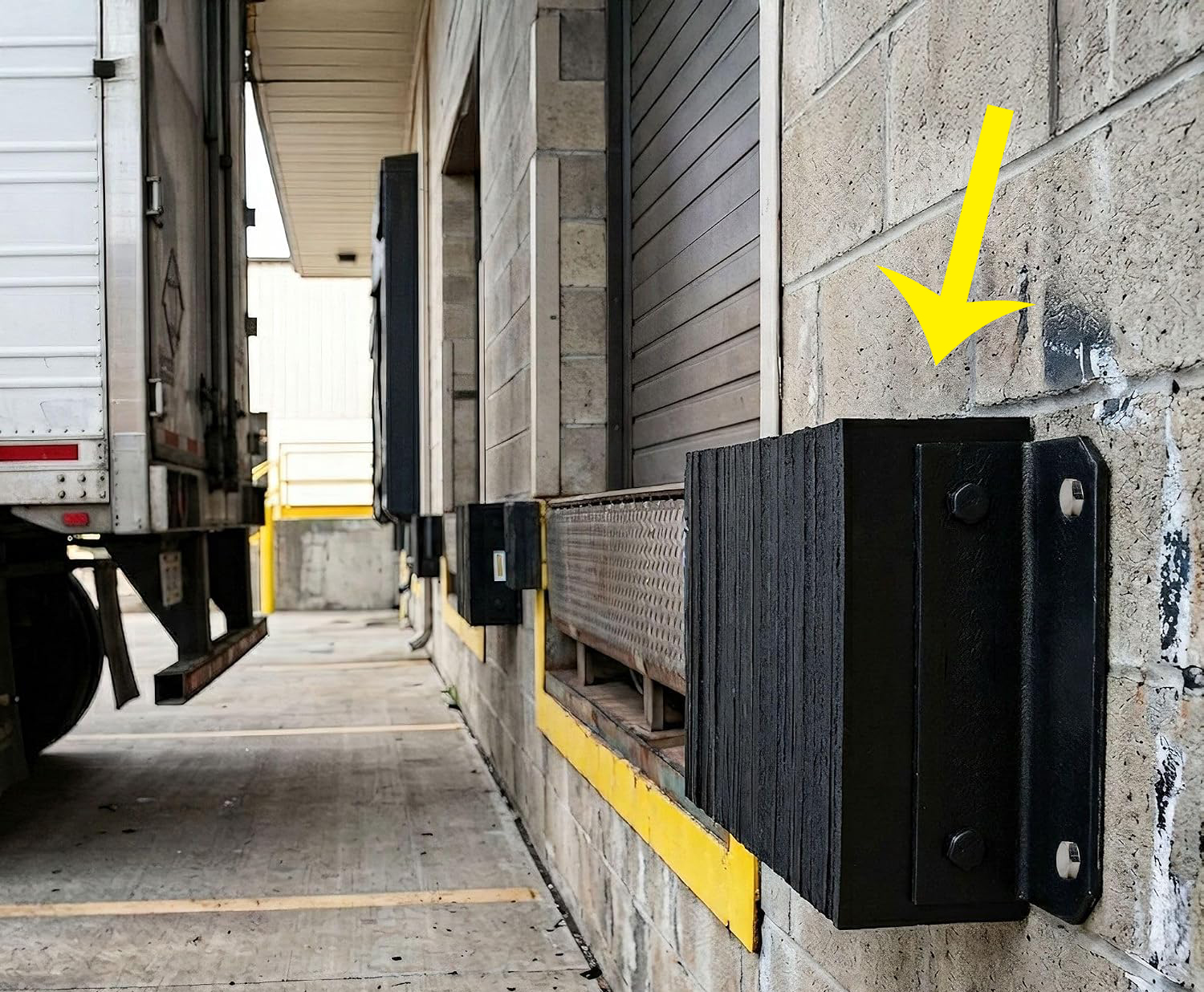 Rubber Laminated Loading Dock Bumper with Steel Angle: 5 Field Failure Signs That Point Back to the RFQ
 Bridge Bearing Pad Field Failure: 5 Visual Signs Before It Retires (And What Caused It)
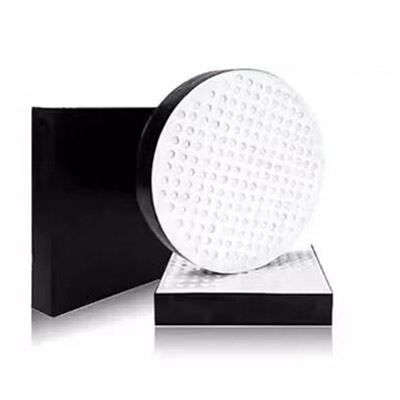 Bridge Bearing Pad RFQ Checklist: 9 Lines That Stop Suppliers From Subbing the Rubber
 Laminated Rubber Bearing: Maintenance and Inspection Protocols