
In the realm of engineering and industrial applications, the significance of small yet crucial components cannot be overstated. One such component that often flies under the radar but plays a vital role, especially in submersible applications, is the rubber plug. These unassuming devices are designed to seal openings, prevent fluid ingress, and maintain the integrity of various systems that operate underwater or in other wet environments. This article delves into the world of rubber plugs tailored for submersible applications, exploring their materials, design considerations, manufacturing processes, and the myriad of applications where they prove indispensable.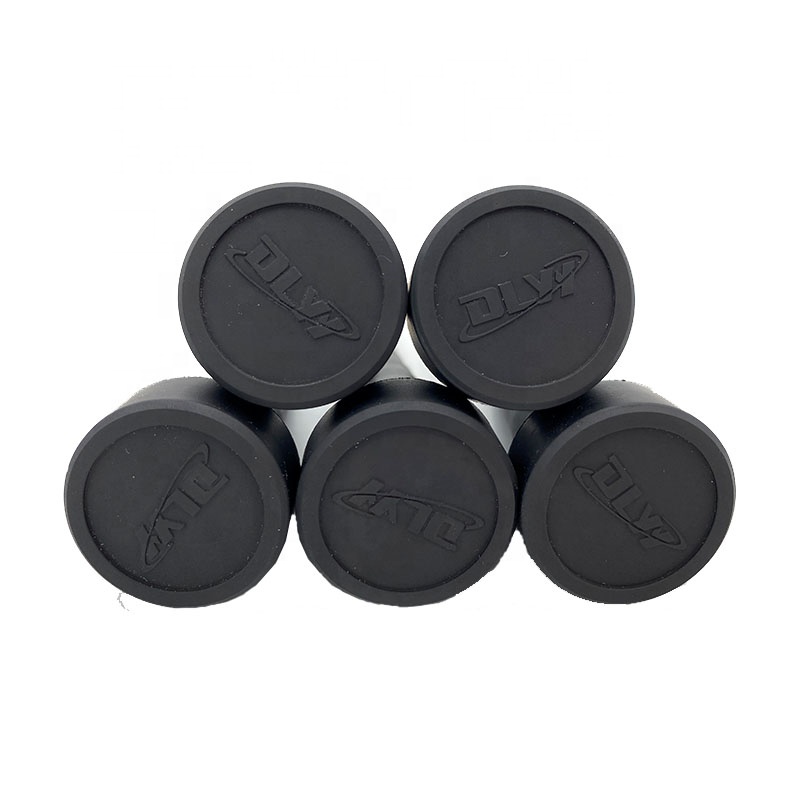
Understanding the Role of Rubber Plugs
Rubber plugs are essentially sealing devices made from elastomeric materials that are capable of withstanding the pressures and corrosive effects of water. They are used to seal holes, ports, or any openings in structures that need to remain watertight. In submersible applications, where equipment is constantly exposed to water, the failure of a seal can lead to catastrophic consequences, including equipment damage, operational downtime, and even safety hazards. Therefore, the selection and design of rubber plugs are critical to ensuring the reliability and longevity of submersible systems.
Materials Used in Rubber Plugs
The choice of material for rubber plugs is paramount, as it directly influences their performance, durability, and resistance to environmental factors. Several elastomers are commonly used in the manufacture of rubber plugs for submersible applications:
Nitrile Rubber (NBR): Known for its excellent oil and fuel resistance, NBR is a popular choice for applications where the plug may come into contact with hydrocarbons. It also offers good mechanical properties and abrasion resistance.
Ethylene Propylene Diene Monomer (EPDM): EPDM is renowned for its outstanding weather and ozone resistance, making it ideal for outdoor submersible applications. It also exhibits good chemical resistance and can withstand a wide range of temperatures.
Neoprene (CR): Neoprene combines good oil and chemical resistance with excellent flexibility and tear strength. It is often used in applications requiring a balance of mechanical properties and environmental resistance.
Fluoroelastomers (FKM/Viton): These high-performance elastomers offer exceptional resistance to high temperatures, chemicals, and fuels. They are ideal for harsh environments where standard elastomers would fail.
Silicone Rubber (VMQ): Silicone is known for its high-temperature resistance, excellent flexibility, and good electrical insulation properties. It is often used in applications where thermal stability and electrical isolation are crucial.
The selection of the appropriate elastomer depends on the specific requirements of the application, including the type of fluid it will be exposed to, the operating temperature range, and any chemical or mechanical stresses it may encounter.
Design Considerations
Designing a rubber plug for submersible applications involves several key considerations to ensure it effectively seals the opening without compromising the structural integrity of the component it is sealing. Some of these considerations include:
Shape and Size: The shape and size of the plug must match the opening it is intended to seal. Common shapes include circular, rectangular, and custom profiles to fit irregular openings.
Compression Set: The rubber plug must maintain its sealing properties even under prolonged compression. The material's compression set resistance is crucial to prevent leakage over time.
Durometer (Hardness): The hardness of the rubber, measured on the Shore A or Shore D scale, affects its ability to seal and its resistance to wear. A balance between flexibility and rigidity is essential for effective sealing.
Tear Strength and Elongation: The plug must withstand the forces exerted on it without tearing or deforming excessively. High tear strength and elongation values are desirable.
Chemical Resistance: The material must be resistant to the specific chemicals or fluids it will encounter in the submersible application.
Installation and Removal: The design should facilitate easy installation and removal without damaging the plug or the component it is sealing.
Manufacturing Processes
The manufacturing of rubber plugs for submersible applications involves several processes, depending on the complexity of the design and the material used. Some common methods include:
Molding: Injection molding and compression molding are widely used to produce rubber plugs. Injection molding is suitable for high-volume production of complex shapes, while compression molding is often used for larger parts or those with simpler geometries.
Extrusion: For plugs with a continuous profile, such as gaskets or seals, extrusion is a cost-effective manufacturing method.
Machining: In some cases, rubber plugs may require secondary machining operations to achieve precise dimensions or to add features such as threads or grooves.
Bonding: If the plug needs to be attached to another component, bonding processes such as adhesive bonding or vulcanization may be used to create a permanent seal.
Applications of Rubber Plugs in Submersible Systems
Rubber plugs find application in a wide range of submersible systems across various industries. Some notable examples include:
Underwater Cables and Connectors: Rubber plugs are used to seal the ends of underwater cables and connectors, preventing water ingress and maintaining electrical insulation.
Submarine Pipelines: In submarine pipeline systems, rubber plugs are employed to seal inspection ports, valve openings, and other access points.
Diving Equipment: Scuba diving equipment, such as regulators and dry suits, utilize rubber plugs to seal various components and prevent water ingress.
Marine Engineering: In marine engineering applications, rubber plugs are used to seal hatches, portholes, and other openings on ships and submarines.
Underwater Robotics: Submersible robots, or Remotely Operated Vehicles (ROVs), often require rubber plugs to seal compartments and protect sensitive electronics from water damage.
Aquaculture and Water Treatment: In aquaculture and water treatment facilities, rubber plugs are used to seal pipes, valves, and other equipment involved in the handling and processing of water.
Rubber plugs may seem like unassuming components, but their importance in submersible applications cannot be overstated. The careful selection of materials, thoughtful design considerations, and precise manufacturing processes ensure that these plugs perform reliably under the harshest conditions. Whether sealing underwater cables, protecting marine equipment, or maintaining the integrity of submarine pipelines, rubber plugs play a critical role in enabling submersible systems to operate effectively and safely. As technology advances and new materials are developed, the capabilities and applications of rubber plugs in submersible environments will continue to expand, further solidifying their essential role in engineering and industrial applications.
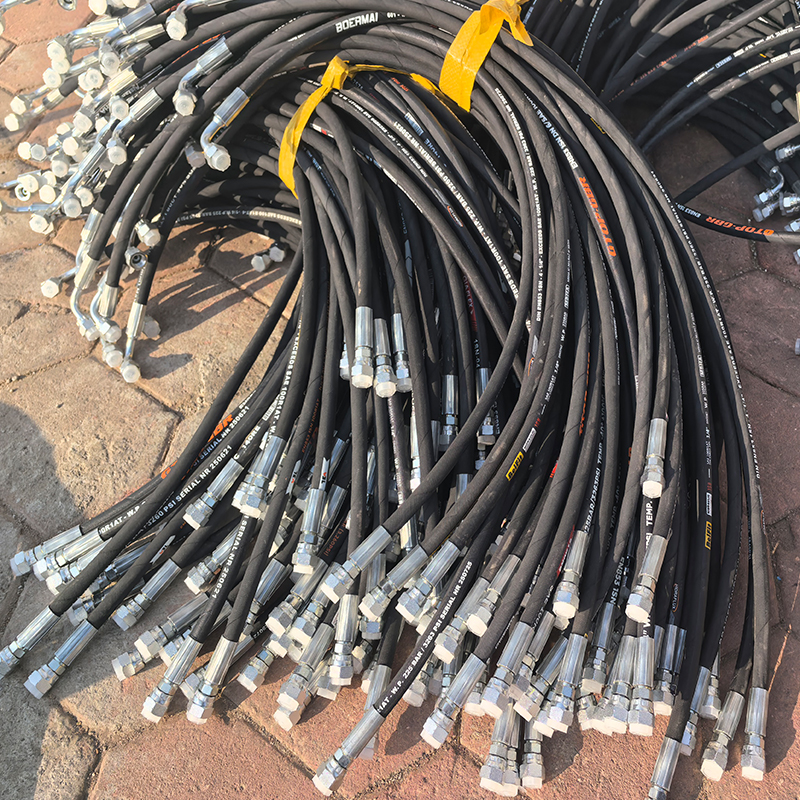 How to Create a Proactive Spiral Hydraulic Hose Replacement Plan That Prevents Downtime?
 Is Your Hydraulic System Overstressing? 5 Diagnostic Signs You Need to Upgrade to Spiral Hose
 Is Your Hydraulic System Pushing Limits? When to Specify Spiral Hose vs. Braided?
 Is Your Machinery Demanding More? Why Upgrade to a Spiral Hydraulic Hose?