
In the annals of human innovation, few inventions have proven as ubiquitous and versatile as the rubber plug. From sealing leaks in plumbing systems to stopping the flow of liquids in laboratory experiments, rubber plugs have played a pivotal role in countless applications across various industries. Despite their seemingly mundane nature, these small yet essential devices have a rich and fascinating history that spans centuries, mirroring the evolution of technology and materials science.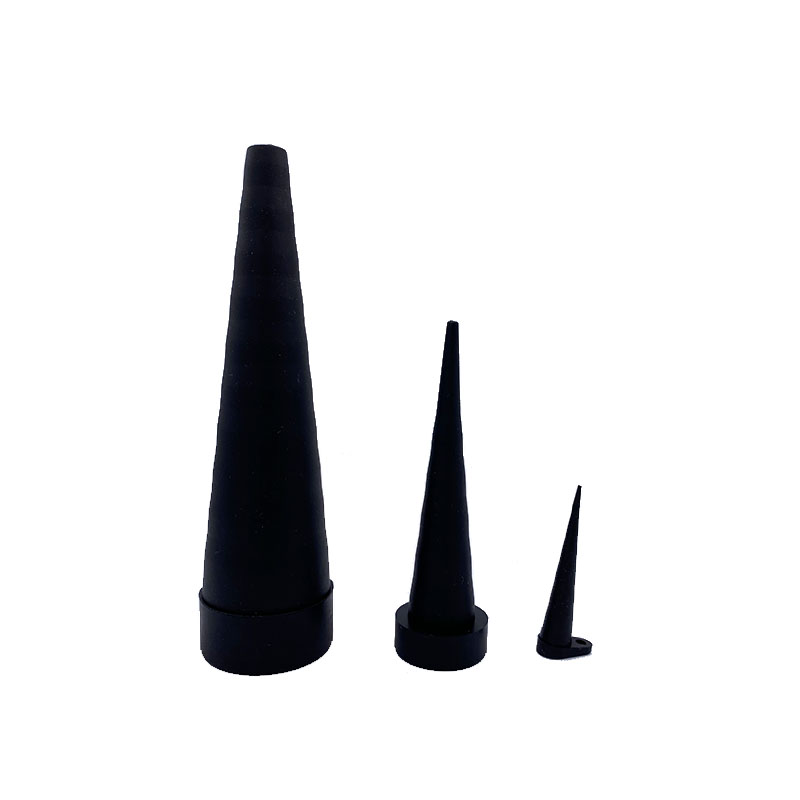
The origins of the rubber plug can be traced back to the early development of rubber itself. Natural rubber, derived primarily from the latex of the Hevea brasiliensis tree, has been used by indigenous peoples of South America for centuries. They employed this elastic substance for a variety of purposes, including making waterproof clothing, footwear, and simple tools. However, it wasn't until the European explorers encountered rubber in the New World that its potential for broader applications began to be recognized.
Initially, European scientists and inventors were intrigued by rubber's unique properties but struggled with its instability and susceptibility to temperature changes. In hot weather, rubber became sticky and soft, while in cold conditions, it hardened and lost its elasticity. This made it challenging to create reliable products from rubber, including plugs. Nevertheless, the quest to harness rubber's potential continued, driven by the growing industrial revolution and the need for better sealing solutions.
One of the key breakthroughs in the history of rubber came in the mid-19th century with the invention of vulcanization. This process, developed independently by Charles Goodyear in the United States and Thomas Hancock in England, involved heating rubber with sulfur, dramatically improving its durability, elasticity, and resistance to temperature extremes. Vulcanized rubber could now be molded into various shapes and sizes, retaining its form and function over time. This breakthrough paved the way for the mass production of rubber products, including the rubber plug.
With vulcanized rubber, manufacturers began to explore the possibilities of creating specialized plugs for different applications. One of the earliest and most significant uses of rubber plugs was in the plumbing industry. As urbanization accelerated and modern plumbing systems were developed, the need for reliable and efficient ways to seal pipes and fittings became crucial. Rubber plugs, with their excellent sealing properties and ease of use, quickly became a standard component in plumbing toolkits.
In the medical field, rubber plugs found another important application. They were used to seal vials and bottles containing medications and vaccines, ensuring that the contents remained sterile and free from contamination. The ability of rubber plugs to create an airtight seal while being easy to insert and remove made them ideal for this purpose. As the pharmaceutical industry grew, so did the demand for high-quality rubber plugs, further driving advancements in their design and manufacture.
The automotive industry also embraced rubber plugs as essential components in various systems. They were used to seal oil and coolant passages in engines, preventing leaks and ensuring optimal performance. As engines became more complex and powerful, the demand for reliable sealing solutions increased, prompting the development of specialized rubber plugs designed to withstand high pressures and temperatures.
In the laboratory setting, rubber plugs played a vital role in experimental setups. They were used to stop the flow of liquids in test tubes and flasks, allowing scientists to control and manipulate chemical reactions with precision. The versatility and durability of rubber plugs made them indispensable tools in scientific research, contributing to numerous breakthroughs in chemistry, biology, and other fields.
As the 20th century progressed, the development of synthetic rubbers further expanded the possibilities for rubber plugs. Synthetic rubbers, such as styrene-butadiene rubber (SBR), nitrile rubber (NBR), and ethylene-propylene-diene monomer rubber (EPDM), offered improved resistance to oils, chemicals, and temperature extremes. This enabled the production of rubber plugs tailored to specific applications, enhancing their performance and longevity.
In the aerospace industry, rubber plugs were used in a variety of critical applications, including sealing fuel tanks and hydraulic systems. The rigorous demands of space travel required rubber plugs that could withstand extreme conditions, such as high altitudes, low temperatures, and exposure to corrosive substances. The development of specialized rubber compounds and manufacturing techniques ensured that rubber plugs met these stringent requirements, contributing to the success of space missions and the advancement of aerospace technology.
The environmental movement of the late 20th and early 21st centuries also influenced the design and production of rubber plugs. As concerns about pollution and waste grew, manufacturers began to focus on creating more sustainable and eco-friendly products. This led to the development of rubber plugs made from recycled materials and biodegradable rubber compounds, reducing the environmental impact of these essential devices.
Today, rubber plugs continue to play a vital role in countless applications, from everyday household repairs to cutting-edge scientific research. Their versatility, durability, and reliability have made them an indispensable component in a wide range of industries. As technology and materials science continue to advance, the future of rubber plugs promises even more innovative designs and applications, further solidifying their place in the annals of human innovation.
In conclusion, the history of rubber plugs is a testament to human ingenuity and the relentless pursuit of progress. From their humble beginnings as simple tools made from natural rubber to their current status as essential components in modern technology, rubber plugs have played a pivotal role in shaping our world. As we continue to explore new materials and manufacturing techniques, the evolution of the rubber plug will undoubtedly continue, ensuring that this unassuming yet indispensable device remains a cornerstone of innovation for generations to come.
 Is Your Loading Dock Prematurely Failing? What Proof Backs a Steel-faced Laminated Rubber Bumper?
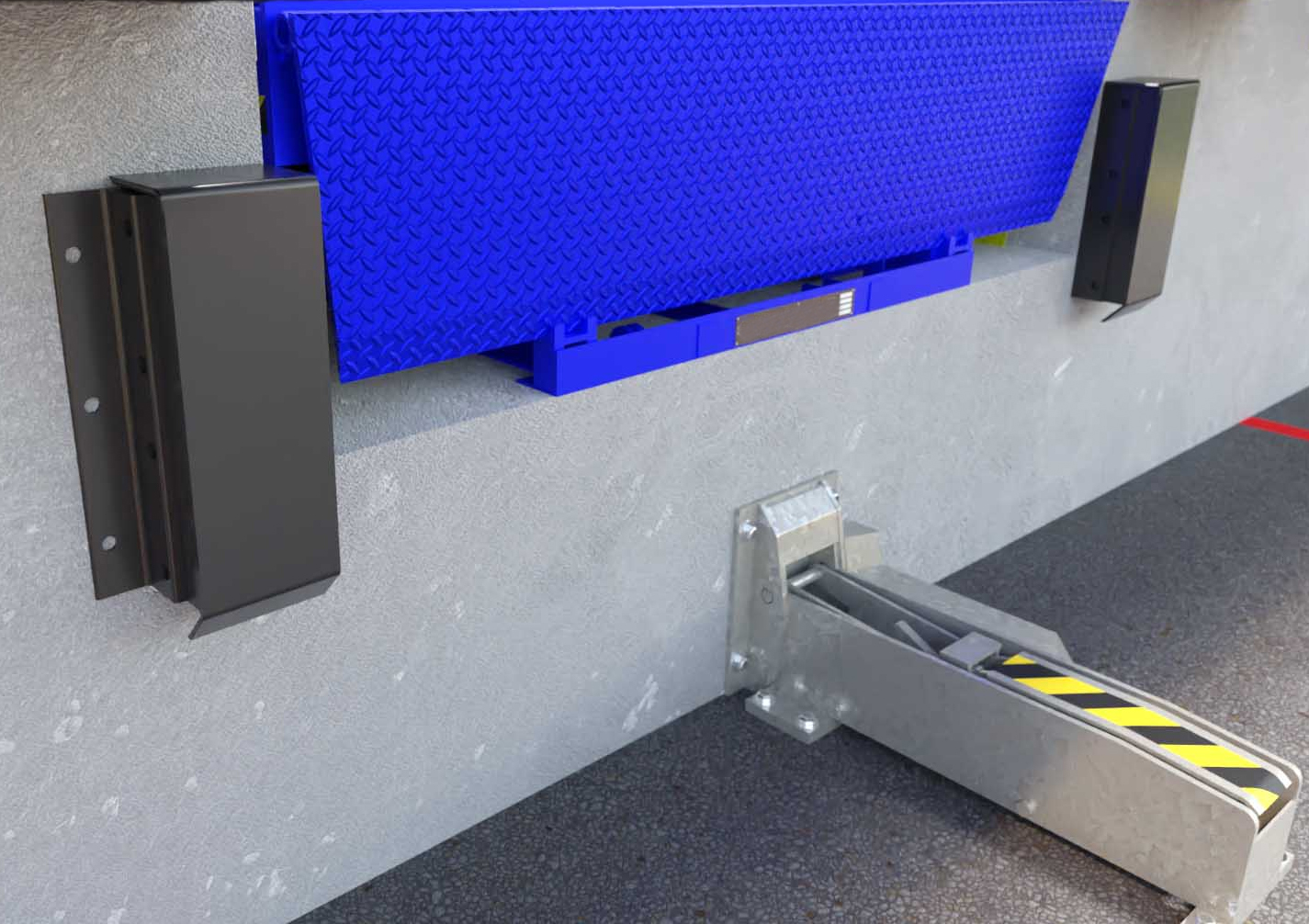 Why Do Air-Ride Trailers Destroy Standard Bumpers? Should You Specify a Steel-faced Laminated Rubber Bumper Instead?
 Is Your Dock Bumper Wearing Out Too Fast? Why a Steel-Faced Laminated Rubber Bumper Is the Solution You Need
 How Does a Laminated Rubber Dock Bumper with Steel Angle Improve Loading Dock Safety?