
In the realm of aerospace engineering, rubber plugs have carved out a niche for themselves as indispensable components. Their versatility and reliability make them essential in a multitude of applications, primarily serving to seal various tubes and orifices, thereby preventing fluid leakage, while also being utilized for securing and supporting parts. Crafted from specialized rubbers that can withstand high temperatures and resist corrosion, these plugs are tailored to endure the extreme conditions inherent in aerospace environments. The design and manufacture of rubber plugs necessitate a meticulous consideration of factors such as lightweight construction, high strength, and robust durability, all of which are paramount to ensuring the safety and performance of aircraft.
Functions and Applications of Rubber Plugs
Sealing Functionality: The most prevalent application of rubber plugs is in sealing. Within an aircraft's fuel system, hydraulic system, and other fluid transfer systems, rubber plugs effectively halt liquid leaks, guaranteeing the seamless operation of these systems. By creating a tight, impermeable barrier, they prevent the ingress or egress of fluids, which is critical for maintaining the integrity and efficiency of the aircraft's mechanical and electrical systems.
Fixation and Support: Rubber plugs also find utility in fixing and supporting components. For instance, in certain sections of the engine, they can be employed to anchor sensors or prop up tubing, thereby mitigating vibration and movement. This dual functionality not only enhances the structural stability of the aircraft but also contributes to its overall safety by preventing potential dislodgment of critical parts during flight.
Shock Absorption: Owing to rubber's inherent shock-absorbing properties, rubber plugs are extensively used in areas where damping is necessary. Components such as landing gear and engine mounts benefit immensely from the integration of rubber plugs, as they help to reduce the impact of vibrations on the aircraft. By absorbing and dissipating kinetic energy, these plugs contribute to a smoother and more controlled flight experience.
Materials for Manufacturing Rubber Plugs
The rubber plugs utilized in aerospace engineering must possess exceptional attributes, necessitating a stringent selection of manufacturing materials. Commonly employed materials include silicone rubber, fluoroelastomers, and ethylene-propylene rubber, each chosen for their outstanding resistance to high and low temperatures, oil, and chemical corrosion. Furthermore, to meet diverse operational requirements, various fillers and additives are incorporated to enhance the physical and chemical properties of the rubber. These modifications ensure that the plugs can withstand the harsh conditions encountered in aerospace applications, from the intense heat of engine compartments to the corrosive effects of aviation fuels and lubricants.
Design and Testing of Rubber Plugs
The design of rubber plugs is a complex process that demands a thorough understanding of multiple variables, including dimensional accuracy, geometric complexity, and the temperature and pressure conditions of the intended operating environment. Modern CAD/CAM technologies enable the precise and intricate design of rubber plugs, allowing engineers to cater to a wide array of specific needs. This level of customization ensures that each plug is optimized for its particular application, enhancing both performance and reliability.
Once the design phase is complete, the manufacturing process undergoes rigorous testing protocols. Physical performance tests assess the plug's resilience under mechanical stress, while chemical stability tests evaluate its resistance to degradation from exposure to various substances. Additionally, fatigue life tests are conducted to determine the plug's endurance over extended periods of use, simulating the real-world conditions it will encounter throughout its service life. These comprehensive testing regimes are indispensable in verifying the quality and dependability of rubber plugs, ensuring they meet the stringent standards required for aerospace applications.
Rubber plugs play a pivotal role in aerospace engineering, serving as vital components that safeguard system integrity and safety while providing essential fixation and shock absorption capabilities. As aviation technology advances, the demands placed on rubber plugs continue to escalate. Future iterations of these plugs are expected to be even lighter, more durable, and capable of operating in increasingly extreme environments. The ongoing evolution of rubber plug design and materials science will undoubtedly contribute to the continued progress and innovation within the aerospace industry, further enhancing the safety, efficiency, and reliability of aircraft.
The meticulous design, careful selection of materials, and rigorous testing protocols that underpin the production of rubber plugs exemplify the commitment to excellence in aerospace engineering. As the industry pushes the boundaries of what is possible, rubber plugs will continue to be a cornerstone of aircraft construction, quietly playing their part in the extraordinary feats of human ingenuity that take place in the skies above us.
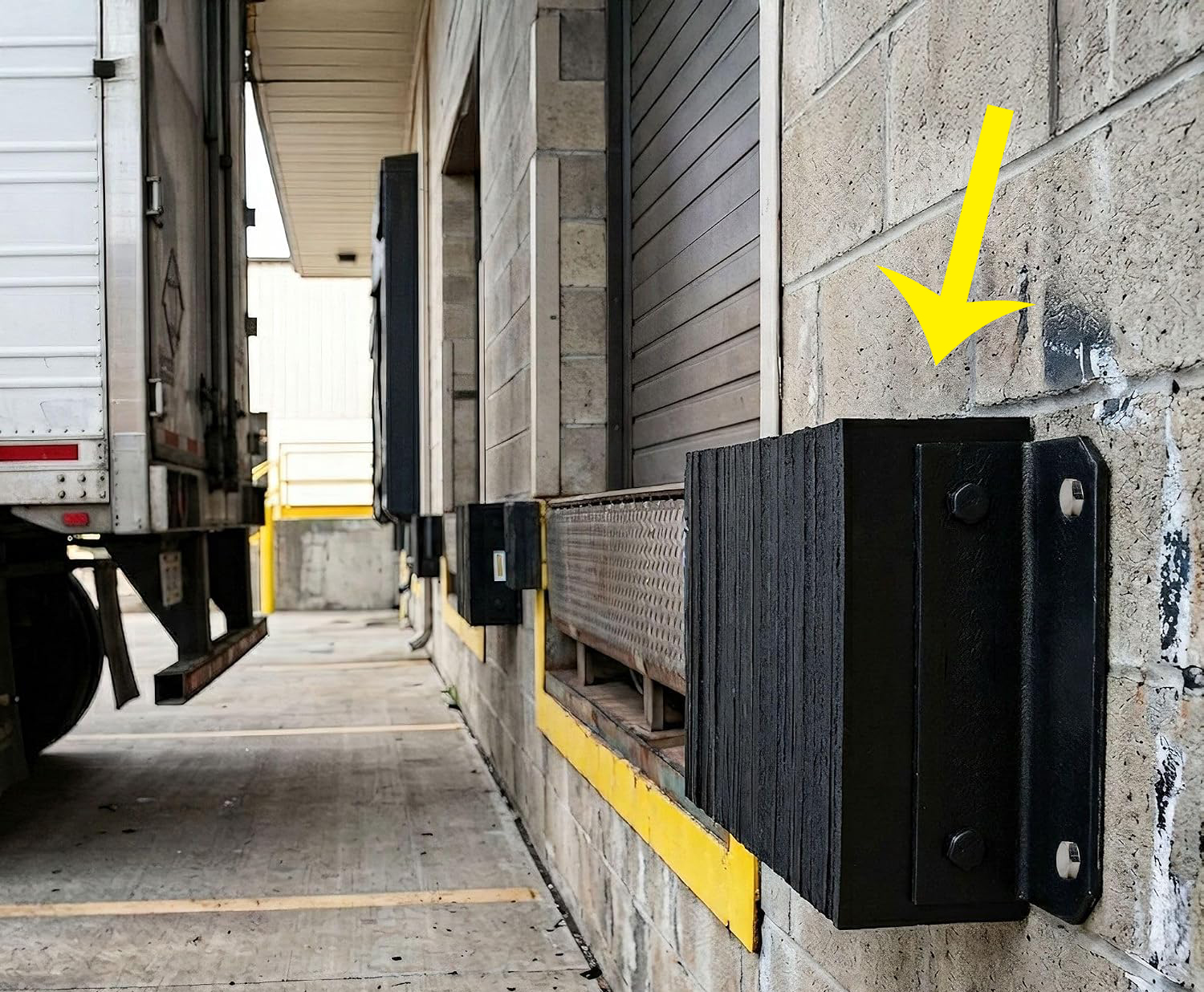 Rubber Laminated Loading Dock Bumper with Steel Angle: 5 Field Failure Signs That Point Back to the RFQ
 Bridge Bearing Pad Field Failure: 5 Visual Signs Before It Retires (And What Caused It)
 Bridge Bearing Pad RFQ Checklist: 9 Lines That Stop Suppliers From Subbing the Rubber
 Laminated Rubber Bearing: Maintenance and Inspection Protocols