
The phenomenon of rubber plug swelling has puzzled many individuals, particularly those working in industries where rubber components are integral to daily operations. While there isn't a straightforward, one-size-fits-all answer to this query, understanding the underlying factors that contribute to rubber plug swelling can shed light on this issue. It's important to delve into the various aspects that influence the behavior of rubber materials, as these factors often interplay to cause the swelling observed in rubber plugs.
Rubber, as a material, exhibits unique properties that make it suitable for a wide range of applications. However, these properties can also lead to challenges, such as swelling. To comprehend why rubber plugs swell, it's essential to examine the characteristics of rubber itself and the conditions it is exposed to.
One of the primary reasons rubber plugs may swell is related to the rubber's composition. Different types of rubber have varying responses to environmental factors. For instance, some rubber materials are more prone to absorbing moisture than others. When rubber absorbs water or other liquids, it can undergo a process known as hygroscopic swelling. This phenomenon occurs because the rubber's molecular structure allows for the absorption of moisture, causing the material to expand.
The degree of swelling depends on several factors, including the rubber's chemical composition, its porosity, and the duration and extent of exposure to moisture. In environments with high humidity or where rubber plugs come into direct contact with water or other fluids, the likelihood of swelling increases. Manufacturers often specify the moisture resistance of rubber materials to guide users on their suitability for particular applications.
Temperature is another critical factor that can influence rubber plug swelling. Rubber materials tend to soften and expand when exposed to high temperatures. This thermal expansion is a physical property of rubber and is more pronounced in certain types of rubber compounds. For example, elastomers with lower glass transition temperatures are more susceptible to thermal swelling.
In industrial settings, rubber plugs may be subjected to temperature fluctuations, which can exacerbate swelling. If a rubber plug is initially exposed to a cool environment and then suddenly subjected to high temperatures, the rapid change can cause the material to expand more significantly. Conversely, prolonged exposure to elevated temperatures can lead to gradual swelling over time.
Chemicals and solvents also play a significant role in rubber plug swelling. Many rubber materials are designed to withstand exposure to specific chemicals, but not all. When rubber comes into contact with solvents or chemicals that it is not compatible with, it can undergo a process called chemical swelling. This occurs because the chemicals can penetrate the rubber's surface and disrupt its molecular structure, causing it to swell.
The type and concentration of the chemical, as well as the duration of exposure, are crucial factors in determining the extent of chemical swelling. Some chemicals may have a minimal effect on certain rubber compounds, while others can cause significant swelling or even degradation. It's essential for users to be aware of the chemical resistance properties of the rubber plugs they are using and to avoid exposing them to incompatible substances.
In addition to these general factors, the specific details of a rubber plug's usage can also contribute to swelling. The material from which the rubber plug is made is a starting point, but the environment in which it operates and the media it comes into contact with are equally important. For example, a rubber plug used in a hydraulic system may be exposed to oils and pressures that differ significantly from a plug used in a plumbing application.
The design and manufacturing process of the rubber plug can also influence its susceptibility to swelling. Factors such as the plug's shape, size, and the presence of any additives or reinforcements can affect its performance. Manufacturers often employ various techniques to enhance the properties of rubber materials, such as adding fillers or cross-linking agents, which can impact their resistance to swelling.
Furthermore, the age and condition of the rubber plug are worth considering. Over time, rubber materials can degrade due to exposure to environmental factors, leading to changes in their properties. An older rubber plug may be more prone to swelling than a new one, especially if it has already experienced some degree of wear and tear or chemical exposure.
To mitigate the risk of rubber plug swelling, it's crucial to select the appropriate rubber material for the intended application. Understanding the specific conditions the plug will be exposed to, including temperature, moisture, and chemicals, is essential for making an informed choice. Manufacturers can provide guidance on the most suitable rubber compounds for particular environments and applications.
Regular inspection and maintenance of rubber plugs are also important to detect and address any signs of swelling early. If a rubber plug begins to swell, it may lose its effectiveness or even fail, potentially causing leaks or other issues. By monitoring the condition of rubber plugs and replacing them as needed, users can help ensure the reliability and performance of their systems.
In conclusion, the swelling of rubber plugs is a complex issue influenced by multiple factors, including the rubber's composition, temperature, moisture, chemicals, and the specific details of its usage. By understanding these factors and taking appropriate measures to select, inspect, and maintain rubber plugs, users can minimize the risk of swelling and ensure the reliable operation of their systems.
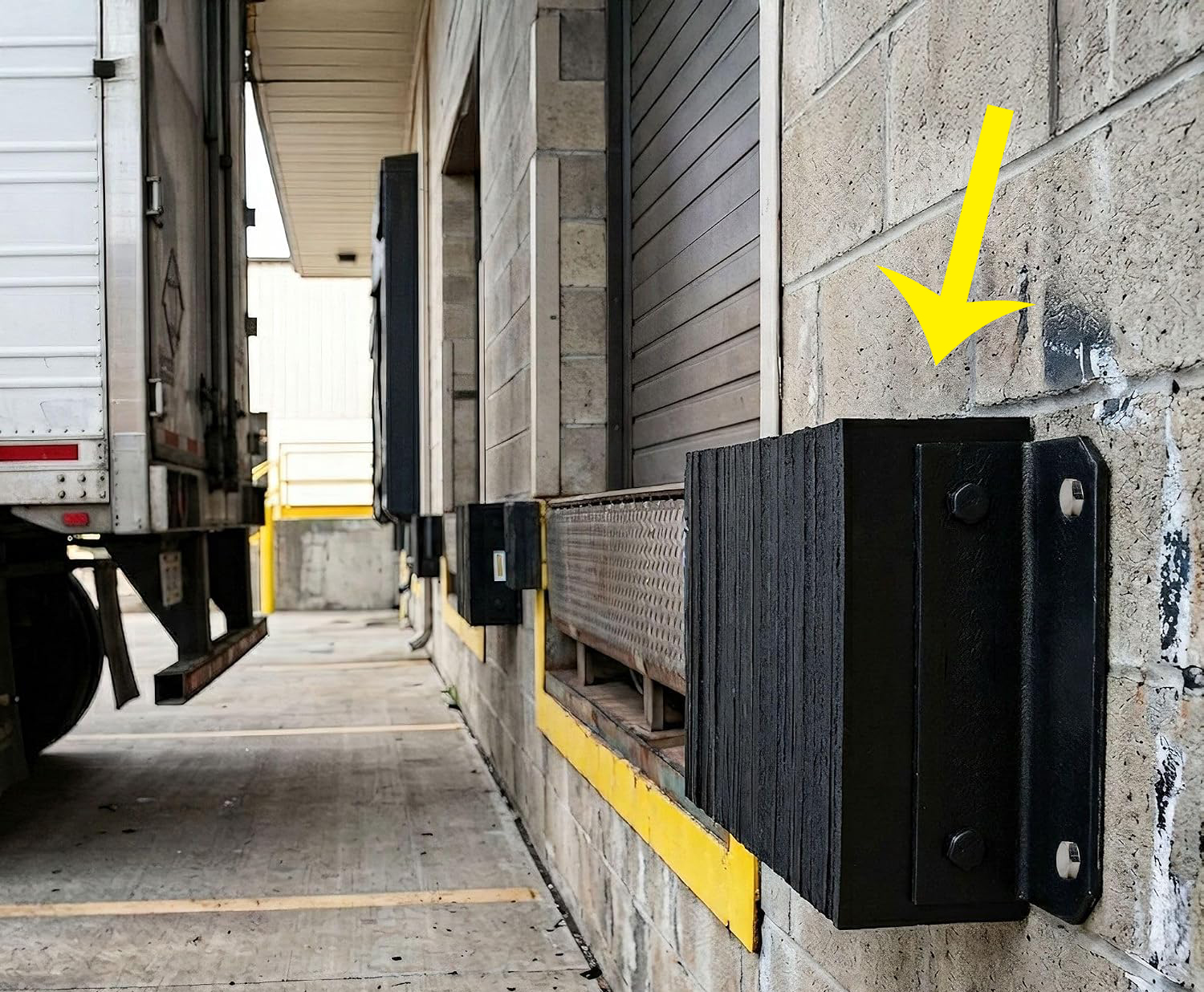 Rubber Laminated Loading Dock Bumper with Steel Angle: 5 Field Failure Signs That Point Back to the RFQ
 Bridge Bearing Pad Field Failure: 5 Visual Signs Before It Retires (And What Caused It)
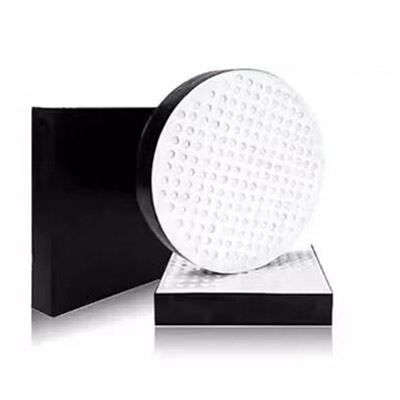 Bridge Bearing Pad RFQ Checklist: 9 Lines That Stop Suppliers From Subbing the Rubber
 Laminated Rubber Bearing: Maintenance and Inspection Protocols