
In the intricate world of electronics, where precision and reliability are paramount, every component plays a crucial role. Among the myriad of parts that contribute to the functionality and durability of electronic devices, rubber plugs may seem inconspicuous yet they hold significant importance. These unassuming components serve as vital elements in ensuring the integrity, safety, and performance of electronic equipment across various applications. This article delves into the technical aspects of rubber plugs in electronics, exploring their materials, design considerations, manufacturing processes, and diverse applications.
Materials and Properties
Rubber plugs used in electronics are crafted from a range of elastomeric materials, each selected for its specific properties that cater to the demands of electronic applications. The choice of material is critical as it directly impacts the plug's performance, durability, and compatibility with the device and its environment.
One of the primary materials is silicone rubber, renowned for its excellent thermal stability, electrical insulation properties, and resistance to moisture and chemicals. Silicone's ability to withstand extreme temperatures without degrading makes it ideal for applications where electronic components may be exposed to heat, such as in automotive electronics or industrial control systems.
Another commonly used material is neoprene, appreciated for its good mechanical strength, oil resistance, and moderate chemical resistance. Neoprene plugs are often employed in environments where the electronic device may come into contact with oils or solvents, providing a reliable seal and protection against ingress.
Ethylene-propylene-diene monomer (EPDM) rubber is also utilized due to its outstanding weather resistance, ozone resistance, and flexibility over a wide temperature range. EPDM plugs are suitable for outdoor electronic equipment, ensuring long-term durability and protection against environmental factors.
When selecting the material for rubber plugs, engineers must consider several key properties:
Electrical Insulation: The material must possess high electrical resistivity to prevent current leakage and ensure the safety of the electronic device.
Chemical Resistance: The plug should resist degradation from exposure to chemicals, solvents, or oils that may be present in the operating environment.
Temperature Resistance: The material must maintain its properties over the temperature range the electronic device is expected to operate within.
Compression Set: The plug should recover its original shape after being compressed, ensuring a consistent and effective seal over time.
Abrasion Resistance: The material should withstand wear and tear, maintaining its integrity throughout the device's lifespan.
Design Considerations
The design of rubber plugs in electronics is a meticulous process that balances functionality, ease of use, and aesthetic appeal. Several factors influence the design, including the shape, size, and specific features of the plug.
Shape is a critical aspect of plug design. Plugs can be cylindrical, conical, or custom-shaped to fit the specific opening or port they are intended to seal. The shape must ensure a tight fit to prevent the ingress of dust, moisture, or contaminants, which could compromise the electronic device's performance.
Size is another vital consideration. The plug must be dimensionally accurate to fit securely into the designated opening without being too tight, which could cause damage during insertion or removal, or too loose, which would defeat the purpose of sealing. Engineers often work with tolerances that are a fraction of a millimeter to achieve the perfect fit.
Specific features, such as ribs, grooves, or flanges, may be incorporated into the plug's design to enhance its sealing capabilities or provide additional grip for easy insertion and removal. Some plugs may also include a pull tab or handle to facilitate easy handling, especially in applications where the plug needs to be frequently accessed.
Manufacturing Processes
The manufacturing of rubber plugs for electronics involves several processes, each tailored to the specific requirements of the plug's design and material. The most common manufacturing methods include injection molding, compression molding, and extrusion.
Injection molding is a widely used process where molten rubber is injected into a mold cavity under high pressure. This method is suitable for producing complex shapes with high precision and consistency. Injection molding allows for the rapid production of large quantities of rubber plugs, making it ideal for high-volume applications.
Compression molding involves placing a pre-measured amount of rubber material into an open mold cavity and then applying pressure to compress the material into the desired shape. This process is well-suited for larger parts or those with simpler geometries. Compression molding can accommodate a wider range of materials and is often used for custom or low-volume production runs.
Extrusion is a process where rubber material is forced through a die to create a continuous profile of the desired shape. Extruded rubber plugs are typically used for applications requiring long lengths or specific cross-sectional shapes. This method is cost-effective for producing large quantities of uniform plugs.
Regardless of the manufacturing process, quality control is essential to ensure that the rubber plugs meet the specified dimensions, material properties, and performance requirements. Rigorous testing, including visual inspections, dimensional checks, and material testing, is conducted to verify the plugs' compliance with the design specifications.
Diverse Applications
Rubber plugs find application in a wide array of electronic devices, each demanding specific characteristics from the plugs to ensure optimal performance. In consumer electronics, such as smartphones and tablets, rubber plugs are used to seal ports and openings, protecting the internal components from dust, moisture, and debris. These plugs are often designed to be easily removable to allow for charging, data transfer, or audio connectivity.
In industrial electronics, rubber plugs play a crucial role in protecting sensitive equipment from harsh environments. They are used to seal enclosures, connectors, and cables, preventing the ingress of contaminants that could cause malfunctions or failures. Industrial rubber plugs must withstand extreme temperatures, chemicals, and physical abuse, ensuring the reliability and longevity of the electronic devices.
Automotive electronics also rely on rubber plugs to protect components from the harsh conditions encountered in vehicular applications. From engine control units to sensors and actuators, rubber plugs provide a barrier against moisture, dirt, and vibrations, ensuring the proper functioning of the electronic systems.
In aerospace and defense electronics, rubber plugs are subjected to even more stringent requirements. They must withstand extreme temperatures, high altitudes, and exposure to fuels and lubricants. The plugs used in these applications are often made from specialized materials that meet the rigorous standards of the aerospace and defense industries.
Rubber plugs may be small and seemingly insignificant, but their role in the world of electronics is anything but trivial. These versatile components are meticulously designed and manufactured to meet the exacting demands of electronic applications, providing critical protection against dust, moisture, and contaminants.
The choice of material, design considerations, and manufacturing processes all contribute to the effectiveness and reliability of rubber plugs. Whether in consumer electronics, industrial applications, automotive systems, or aerospace and defense, rubber plugs play a vital part in ensuring the integrity, safety, and performance of electronic devices.
As technology continues to advance, the demand for high-quality rubber plugs will only increase. Engineers and manufacturers will continue to innovate, developing new materials, designs, and manufacturing processes to meet the evolving needs of the electronics industry. Rubber plugs will remain an indispensable component in the intricate and fascinating world of electronics, quietly contributing to the seamless functioning of the devices that have become integral to our daily lives.
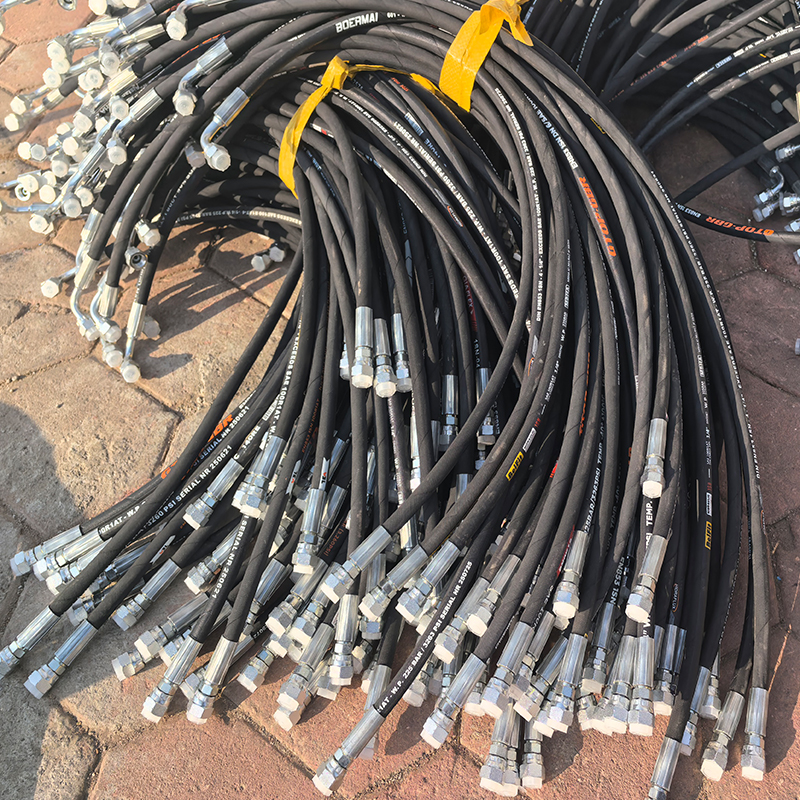 How to Create a Proactive Spiral Hydraulic Hose Replacement Plan That Prevents Downtime?
 Is Your Hydraulic System Overstressing? 5 Diagnostic Signs You Need to Upgrade to Spiral Hose
 Is Your Hydraulic System Pushing Limits? When to Specify Spiral Hose vs. Braided?
 Is Your Machinery Demanding More? Why Upgrade to a Spiral Hydraulic Hose?