
Rubber plugs are ubiquitous in various industries and household settings, serving as essential components in sealing and protecting openings from moisture, dust, and other contaminants. Whether they are used in automotive parts, plumbing systems, laboratory equipment, or even everyday household items, rubber plugs play a critical role in maintaining the integrity and functionality of these systems. However, like any other material, rubber plugs are susceptible to wear and tear, dirt accumulation, and degradation over time. Regular cleaning and inspection of rubber plugs are therefore crucial to ensure their longevity and effectiveness. In this article, we will discuss the importance of maintaining rubber plugs, the steps involved in cleaning them, and how to conduct a thorough inspection to identify potential issues early on.
The Importance of Regular Maintenance
Rubber plugs, due to their elastic and waterproof properties, are often exposed to harsh environments. Over time, they can accumulate dirt, grease, and other debris, which can compromise their sealing capabilities. Moreover, exposure to extreme temperatures, chemicals, or UV radiation can cause the rubber to harden, crack, or lose its elasticity. Regular cleaning and inspection help to:
Prevent Leaks: A dirty or damaged rubber plug can lead to leaks, which can cause significant damage to equipment or property. Regular maintenance ensures that the plug remains in good condition, providing an effective seal.
Extend Lifespan: By keeping the rubber plug clean and free from debris, you can extend its lifespan, saving on replacement costs.
Ensure Safety: In industries where equipment failure can lead to safety hazards, such as in laboratories or automotive applications, maintaining rubber plugs is vital to prevent accidents.
Preparation for Cleaning
Before you begin the cleaning process, it's essential to gather the necessary materials and prepare the workspace. Here's what you'll need:
Mild Detergent: Choose a mild, non-abrasive detergent that won't damage the rubber.
Soft Cloth or Sponge: Avoid using abrasive materials that could scratch the surface of the rubber.
Warm Water: Warm water helps to loosen dirt and grease more effectively than cold water.
Dry Cloth: For wiping the plug dry after cleaning.
Inspection Tools: Depending on the application, you may need a magnifying glass, flashlight, or measuring tools to inspect the plug thoroughly.
Steps for Cleaning Rubber Plugs
Remove the Plug: Carefully remove the rubber plug from its application. If it's stuck, gently wiggle it back and forth to loosen it without causing damage.
Inspect for Visible Dirt: Before immersing the plug in water, visually inspect it for any visible dirt, grease, or debris. This will give you an idea of the level of cleaning required.
Prepare the Cleaning Solution: Mix a mild detergent with warm water in a basin or bucket. Ensure the solution is not too concentrated, as excessive detergent can leave a residue that may attract more dirt.
Clean the Plug: Submerge the rubber plug in the cleaning solution and use a soft cloth or sponge to gently scrub the surface. Pay extra attention to crevices and areas where dirt may accumulate.
Rinse Thoroughly: After scrubbing, rinse the plug thoroughly with clean water to remove all traces of detergent. Ensure that no soap residue is left behind, as it can dry out the rubber or attract more dirt.
Dry the Plug: Use a dry cloth to wipe the plug thoroughly. Allow it to air dry completely before reinstalling it. Moisture trapped inside can lead to mold growth or degradation of the rubber.
Inspecting Rubber Plugs
Cleaning the rubber plug is only half the battle; inspecting it for signs of wear and tear is equally important. Here's how to conduct a thorough inspection:
Visual Inspection: Examine the plug under good lighting conditions. Look for cracks, tears, or signs of hardening. Pay special attention to the edges and sealing surfaces.
Check for Deformation: Compare the plug to its original shape or a new one if available. Look for any signs of deformation, such as bulging or flattening, which can affect its sealing capabilities.
Measure Dimensions: If the plug's dimensions are critical to its function, use measuring tools to ensure it meets the specified size requirements. Wear or stretching can alter its dimensions, compromising its effectiveness.
Flexibility Test: Gently squeeze the plug to assess its flexibility. It should return to its original shape without leaving any permanent deformation. Hard or brittle rubber indicates aging or exposure to harsh conditions.
Check for Embedded Debris: Even after cleaning, inspect the plug for any embedded debris that may have penetrated the rubber. Use a magnifying glass if necessary to ensure a thorough examination.
Addressing Issues Found During Inspection
If you find any issues during the inspection, such as cracks, tears, or significant deformation, it's crucial to address them promptly. Depending on the severity of the damage, you may need to:
Repair Minor Damage: For small cracks or tears, you may be able to use a rubber repair kit or adhesive specifically designed for rubber materials. Follow the manufacturer's instructions carefully.
Replace the Plug: If the damage is extensive or the plug has lost its flexibility, it's best to replace it with a new one. Ensure that the replacement plug matches the original specifications in terms of size, material, and durability.
Regular cleaning and inspection of rubber plugs are vital to maintaining their effectiveness and prolonging their lifespan. By following the steps outlined in this article, you can ensure that your rubber plugs remain in good condition, preventing leaks, and ensuring the safety and functionality of the equipment or systems they protect. Remember to use mild detergents, avoid abrasive materials, and conduct a thorough inspection to identify and address any potential issues early on. With proper maintenance, rubber plugs can continue to serve their purpose effectively, providing reliable sealing and protection for years to come.
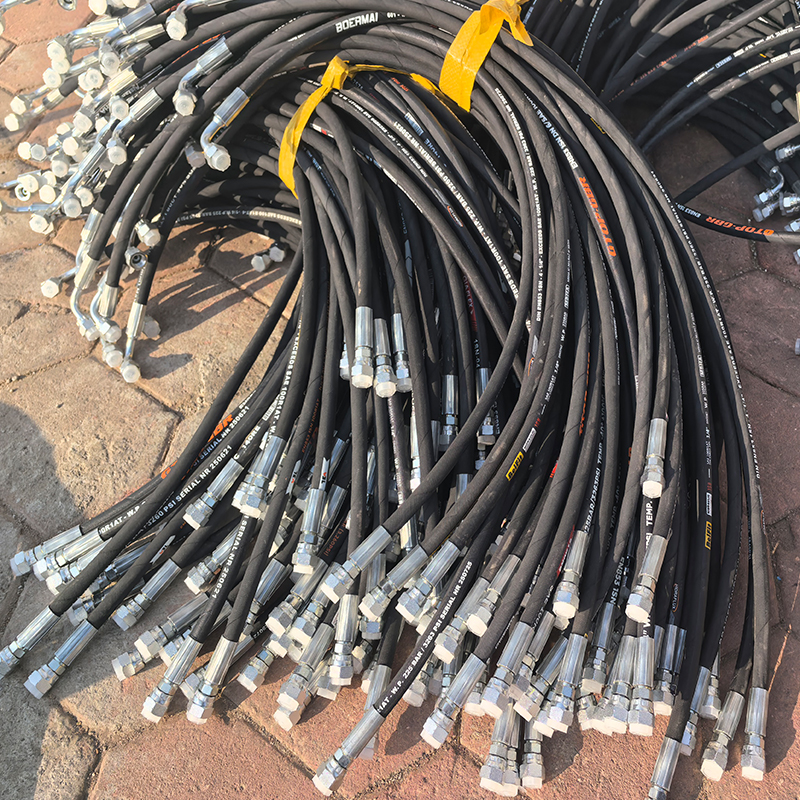 How to Create a Proactive Spiral Hydraulic Hose Replacement Plan That Prevents Downtime?
 Is Your Hydraulic System Overstressing? 5 Diagnostic Signs You Need to Upgrade to Spiral Hose
 Is Your Hydraulic System Pushing Limits? When to Specify Spiral Hose vs. Braided?
 Is Your Machinery Demanding More? Why Upgrade to a Spiral Hydraulic Hose?