
Hydraulic systems are integral to various industries, ranging from heavy machinery and automotive applications to aerospace and marine engineering. These systems rely on the controlled flow of pressurized fluid to transmit power and perform complex tasks with precision. One often-overlooked but crucial component in hydraulic systems is the rubber plug. These unassuming devices play a vital role in sealing, preventing leaks, and maintaining system integrity. This article delves into the technical aspects of using rubber plugs in hydraulic systems, offering practical tips for their selection, installation, maintenance, and troubleshooting.
Understanding the Role of Rubber Plugs
Rubber plugs are used primarily to seal openings in hydraulic components, such as valves, cylinders, and hoses. They prevent fluid leakage, which can lead to system inefficiencies, reduced performance, and even catastrophic failures. The effectiveness of a rubber plug depends on several factors, including its material composition, design, and compatibility with the hydraulic fluid and operating conditions.
Material Selection
The choice of rubber material for a plug is critical. Different rubber compounds exhibit varying degrees of resistance to temperature, pressure, chemicals, and abrasion. For instance, nitrile rubber (NBR) is commonly used due to its good oil resistance and moderate temperature range. However, in high-temperature applications, fluoroelastomers (FKM) or silicone rubber might be more suitable. On the other hand, for applications involving water-based fluids, ethylene propylene diene monomer (EPDM) rubber is preferred.
When selecting a rubber material, consider the following:
Fluid Compatibility: Ensure the rubber material is compatible with the hydraulic fluid to avoid swelling, degradation, or permeation.
Temperature Range: The rubber plug must withstand the system's operating temperature without hardening, softening, or losing its sealing properties.
Pressure Rating: The plug must be able to handle the maximum system pressure without deforming or extruding.
Wear Resistance: In systems with moving parts, the rubber plug should have adequate wear resistance to maintain its seal over time.
Design Considerations
The design of a rubber plug can significantly impact its performance. Key design elements include the shape, size, and durometer (hardness) of the plug.
Shape: Rubber plugs come in various shapes, such as round, oval, or custom configurations, to fit different applications. The shape should match the contour of the opening it seals.
Size: Proper sizing is crucial. A plug that is too small may not seal effectively, while one that is too large can damage the component or cause installation difficulties.
Durometer: The hardness of the rubber, measured on the Shore A or Shore D scale, affects its sealing ability and resistance to extrusion. A softer rubber may provide a better seal but be more prone to extrusion, while a harder rubber may be less flexible and less effective at sealing irregular surfaces.
Installation Best Practices
Proper installation of rubber plugs is essential for ensuring a tight seal and preventing leaks. Follow these guidelines:
Cleanliness: Ensure the surface where the plug will be installed is clean and free of debris, dirt, or oil. Contaminants can interfere with the sealing process and cause leaks.
Lubrication: In some cases, applying a thin layer of compatible lubricant to the plug or the installation surface can facilitate easier installation and help prevent damage to the rubber.
Insertion: Carefully insert the plug into the opening, ensuring it is properly seated and aligned. Avoid twisting or forcing the plug, as this can cause it to tear or lose its shape.
Inspection: After installation, visually inspect the plug and the surrounding area for any signs of leakage or improper seating. Use a pressure test, if possible, to verify the integrity of the seal.
Maintenance and Troubleshooting
Regular maintenance and inspection of rubber plugs are necessary to ensure the longevity and reliability of hydraulic systems. Here are some tips for maintenance and troubleshooting:
Inspection Schedule: Establish a routine inspection schedule to check for signs of wear, damage, or degradation. Replace worn or damaged plugs immediately to prevent potential leaks.
Temperature and Pressure Monitoring: Continuously monitor system temperature and pressure to ensure they remain within the specified ranges for the rubber plug material. Excessive temperatures or pressures can accelerate wear and reduce the lifespan of the plug.
Fluid Analysis: Regularly analyze the hydraulic fluid for contaminants, such as dirt, water, or chemical degradation products. Contaminated fluid can accelerate wear on the rubber plug and other system components.
Troubleshooting Leaks: If a leak is detected, first identify the source of the leak. It may be due to a damaged or worn plug, improper installation, or an incompatible rubber material. Address the underlying cause to prevent recurrence.
Storage: When storing spare rubber plugs, keep them in a cool, dry place away from direct sunlight and sources of heat. Proper storage can help extend their shelf life and ensure they are ready for use when needed.
Environmental and Safety Considerations
When working with rubber plugs and hydraulic systems, it is essential to consider environmental and safety aspects. Here are some guidelines:
Disposal: Dispose of worn or damaged rubber plugs responsibly, following local regulations for waste disposal. Some rubber materials may be recyclable or require special handling due to their chemical composition.
Personal Protective Equipment (PPE): When handling hydraulic fluids or installing/removing rubber plugs, wear appropriate PPE, such as gloves, safety glasses, and protective clothing, to avoid skin contact or inhalation of harmful substances.
Spill Containment: Have spill containment procedures and equipment in place to quickly and effectively manage any spills or leaks. This helps protect the environment and ensures worker safety.
Rubber plugs may be small, but they play a significant role in the efficient and reliable operation of hydraulic systems. Proper selection, installation, maintenance, and troubleshooting of these plugs are essential for preventing leaks, maintaining system performance, and extending the lifespan of hydraulic components. By understanding the technical aspects of rubber plugs and following the tips outlined in this article, you can ensure the integrity and reliability of your hydraulic systems, ultimately contributing to the success of your operations.
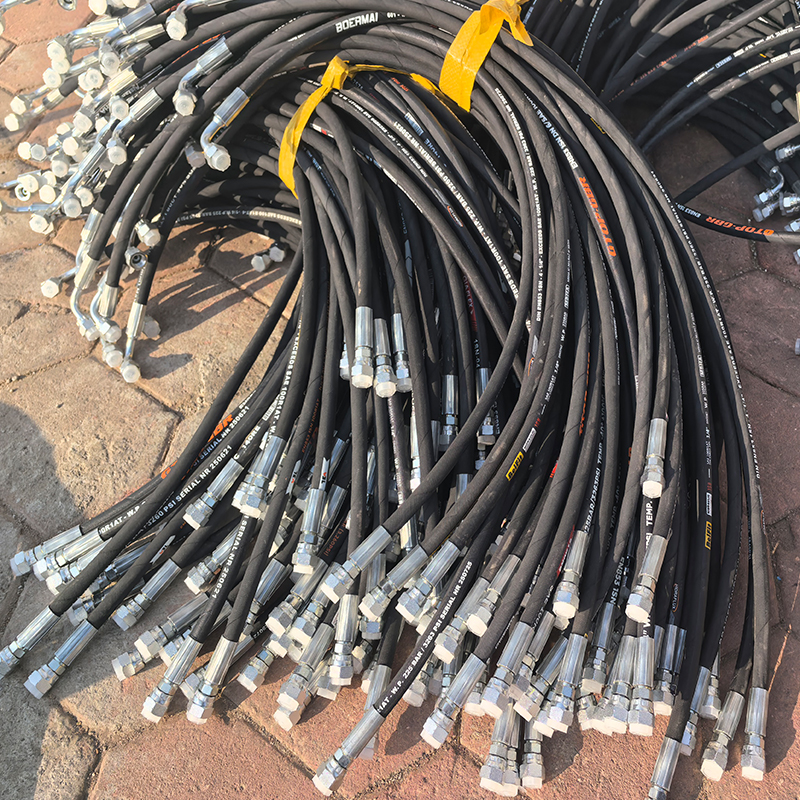 How to Create a Proactive Spiral Hydraulic Hose Replacement Plan That Prevents Downtime?
 Is Your Hydraulic System Overstressing? 5 Diagnostic Signs You Need to Upgrade to Spiral Hose
 Is Your Hydraulic System Pushing Limits? When to Specify Spiral Hose vs. Braided?
 Is Your Machinery Demanding More? Why Upgrade to a Spiral Hydraulic Hose?