
For many vehicle owners, routine maintenance often focuses on oil changes, tire rotations, or brake inspections. Yet, hidden beneath the surface of these visible tasks lies a critical component that ensures longevity and safety: the hub oil seal. Though small in size, these seals play an outsized role in protecting a vehicle’s wheel hubs, bearings, and drivetrain from contamination and premature wear. This article explores their function, importance, and why they deserve attention in any comprehensive maintenance plan.
Preventing Contamination: The First Line of Defense
Wheel hubs are the central connection point between a vehicle’s axle and its wheels, enabling smooth rotation. However, they operate in an environment rife with contaminants—road salt, dirt, water, and debris—that can infiltrate sensitive components if left unchecked. Hub oil seals act as barriers, forming a tight seal around the hub assembly to block these particles from entering.
Without this protection, abrasive materials could grind against bearings, causing friction and heat buildup. Over time, this leads to pitting, corrosion, or even catastrophic failure. By maintaining a clean environment, hub oil seals extend the lifespan of bearings and reduce the risk of costly repairs.
Retaining Lubrication: Keeping Things Moving Smoothly
Bearings rely on grease or oil to reduce friction and dissipate heat. However, this lubricant is only effective if it stays where it’s needed. Hub oil seals prevent lubricant from leaking out while also stopping external moisture from diluting or washing it away. A compromised seal can result in a dry bearing, which generates excessive heat and noise—a clear sign of impending failure.
Regular inspection of seals for cracks, leaks, or hardening is essential. Replacing a worn seal early not only preserves lubrication but also avoids secondary damage to adjacent components, such as CV joints or axles.
Extending Component Lifespan: A Cost-Effective Investment
The wheel hub assembly includes multiple interconnected parts, each dependent on the others for optimal performance. A failing hub oil seal disrupts this balance by allowing contaminants to enter and lubricant to escape. This domino effect accelerates wear on bearings, axles, and even the hub itself.
Consider the cost of replacing a single bearing versus overhauling an entire hub assembly due to neglect. Proactive seal maintenance is far more economical, as it prevents minor issues from escalating into major repairs. For fleet managers or high-mileage drivers, this attention to detail translates to significant savings over time.
Enhancing Safety: Avoiding Unexpected Failures
A vehicle’s safety hinges on predictable handling and reliable components. Worn hub oil seals can lead to uneven tire wear, vibrations, or steering instability—all of which compromise control. In extreme cases, a seized bearing caused by seal failure could lock up a wheel, posing a severe hazard on the road.
Routine checks during tire rotations or brake services can identify seal deterioration before it becomes critical. Technicians often look for grease streaks around the hub or listen for grinding noises, which indicate bearing distress. Addressing these symptoms promptly ensures the vehicle remains safe for daily use.
Environmental Impact: Reducing Waste and Leaks
Leaking lubricant isn’t just a problem for the vehicle—it also harms the environment. Oil and grease that drip onto roads or into waterways can contaminate ecosystems and disrupt wildlife. Hub oil seals help minimize this risk by containing fluids within the hub assembly.
For eco-conscious drivers, maintaining seals is a simple yet effective way to reduce their vehicle’s environmental footprint. Additionally, proper disposal of old seals and lubricants during repairs aligns with responsible automotive practices.
DIY vs. Professional Maintenance: Knowing When to Seek Help
While some vehicle owners attempt to replace hub oil seals themselves, the process requires precision and specialized tools. Improper installation can lead to misalignment, incomplete sealing, or damage to the hub surface. For most drivers, entrusting this task to a certified mechanic ensures the job is done correctly.
However, understanding the signs of seal failure empowers owners to act swiftly. Symptoms like grease on the inner edge of the tire, unusual noises, or play in the wheel warrant immediate inspection. Ignoring these warnings could leave you stranded or facing more extensive repairs down the line.
The Ripple Effect: How Seals Support Overall Vehicle Health
A vehicle’s systems are interconnected, and neglecting one component often stresses others. For example, a leaking hub seal might force the differential to work harder, increasing fuel consumption. Or, contaminated bearings could transmit vibrations through the suspension, accelerating wear on shocks and struts.
By prioritizing hub oil seal maintenance, drivers support the broader health of their vehicle. This holistic approach reduces the likelihood of unexpected breakdowns and keeps the car running efficiently for years to come.
Conclusion
Hub oil seals may not grab headlines like engine upgrades or aesthetic modifications, but their role in vehicle maintenance is indispensable. From safeguarding against contaminants to preserving lubrication and enhancing safety, these unassuming components are quiet guardians of a vehicle’s longevity. By incorporating seal inspections into regular maintenance routines, drivers can avoid costly repairs, protect the environment, and enjoy peace of mind on every journey. Whether you’re a daily commuter or a long-haul traveler, remember: the smallest parts often make the biggest difference.
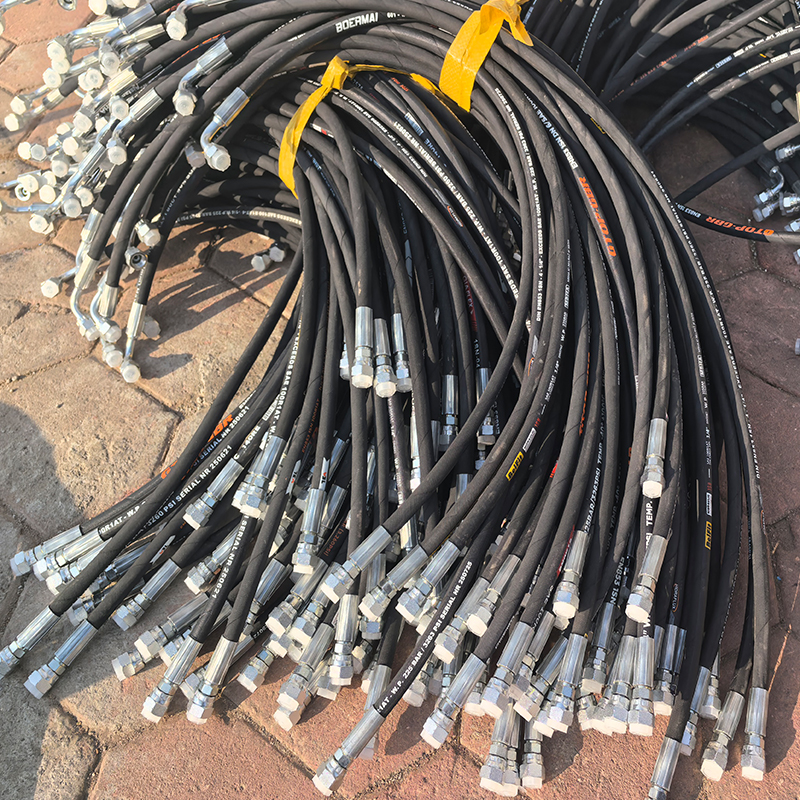 How to Create a Proactive Spiral Hydraulic Hose Replacement Plan That Prevents Downtime?
 Is Your Hydraulic System Overstressing? 5 Diagnostic Signs You Need to Upgrade to Spiral Hose
 Is Your Hydraulic System Pushing Limits? When to Specify Spiral Hose vs. Braided?
 Is Your Machinery Demanding More? Why Upgrade to a Spiral Hydraulic Hose?