
When it comes to maintaining a vehicle, few components are as critical—yet often overlooked—as hub oil seals. These small but mighty parts prevent lubricants from leaking and protect critical wheel hub components from dirt, debris, and moisture. However, not all hub oil seals are created equal. The material used in their construction plays a pivotal role in determining their performance, durability, and suitability for specific driving conditions. For American drivers navigating everything from bustling city streets to rugged off-road trails, understanding the pros and cons of different hub oil seal materials is essential. Let’s explore the most common options and how to choose the right one for your vehicle.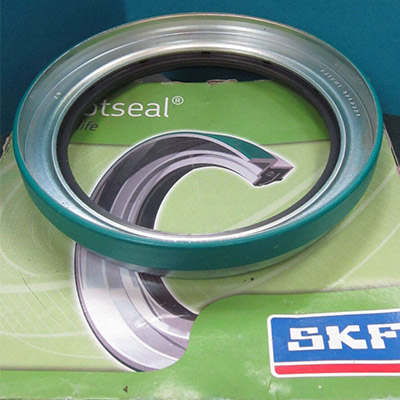
The Role of Hub Oil Seals in Vehicle Performance
Before diving into materials, it’s important to grasp why hub oil seals matter. Located where the wheel hub meets the axle, these seals create a barrier that keeps grease or oil inside the hub assembly while blocking contaminants from entering. A failing seal can lead to premature wear of bearings and other components, unusual noises, or even wheel detachment in extreme cases. Given their protective role, the material must balance flexibility, resistance to heat and chemicals, and longevity. Climate, driving habits, and vehicle type all influence which material performs best.
Nitrile Rubber: The Affordable All-Rounder
Nitrile rubber, also known as Buna-N or NBR, is one of the most widely used materials for hub oil seals. Its popularity stems from its cost-effectiveness and versatility. Nitrile seals resist oils, fuels, and greases, making them ideal for standard passenger vehicles operating in moderate climates. They perform well in temperatures ranging from -40°F to 250°F, though prolonged exposure to extreme heat or cold can cause them to harden or crack. For everyday commuters in urban or suburban areas, nitrile rubber offers reliable protection without breaking the bank. However, drivers in regions with harsh winters or scorching summers might need a more resilient alternative.
Silicone: Withstanding Extreme Temperatures
Silicone hub oil seals excel in environments where temperature fluctuations are severe. Unlike nitrile, silicone remains flexible at sub-zero temperatures and won’t degrade under prolonged heat exposure, withstanding ranges up to 450°F. This makes them a top choice for performance vehicles, heavy-duty trucks, or cars in areas like the Southwest, where summer heat can be relentless. Silicone also resists ozone and UV damage, extending its lifespan outdoors. The downside? Silicone seals are pricier than nitrile and less resistant to oils and fuels, so they’re better suited for applications where temperature stability outweighs chemical resistance.
Fluoroelastomer (FKM): The High-Performance Contender
For vehicles subjected to intense conditions—think racing cars, commercial trucks, or off-road machines—fluoroelastomer (FKM) hub oil seals are often the gold standard. FKM compounds, including Viton, offer superior resistance to heat, chemicals, and abrasion. They thrive in temperatures exceeding 400°F and repel aggressive fluids like synthetic lubricants, diesel fuel, and corrosive chemicals. This durability comes at a cost: FKM seals are significantly more expensive than nitrile or silicone. However, for drivers who demand peak performance and longevity, the investment pays off. Off-road enthusiasts tackling muddy trails or towing heavy loads will appreciate FKM’s ability to maintain integrity under pressure.
Polyacrylate: Bridging the Gap Between Cost and Performance
Polyacrylate rubber strikes a balance between nitrile’s affordability and silicone’s temperature resilience. While not as heat-resistant as silicone or as chemically inert as FKM, polyacrylate seals perform admirably in moderate to high-temperature environments (up to 350°F) and resist oxidation better than nitrile. They’re a practical choice for older vehicles or those driven in regions with mild to warm climates. However, polyacrylate’s limited cold-temperature flexibility makes it less suitable for areas with harsh winters. Drivers seeking a budget-friendly upgrade from nitrile might find polyacrylate seals a worthwhile compromise.
PTFE (Teflon): The Low-Friction Innovator
PTFE, commonly known by the brand name Teflon, is a unique player in the hub oil seal arena. Unlike rubber-based materials, PTFE is a plastic known for its extremely low friction coefficient and exceptional chemical resistance. PTFE-lined seals reduce wear on moving parts and perform well in high-speed applications, such as sports cars or industrial machinery. They’re also impervious to nearly all fluids, making them ideal for vehicles using specialty lubricants. The catch? PTFE seals are rigid and require precise installation to prevent leaks. They’re often used in combination with other materials, such as a rubber outer layer for flexibility and a PTFE inner layer for sealing.
Making the Right Choice: Factors to Consider
Selecting the best hub oil seal material involves evaluating several factors:
Climate: Extreme cold favors silicone, while scorching heat calls for FKM or PTFE.
Driving Conditions: Off-road or heavy-duty use demands durable materials like FKM.
Budget: Nitrile and polyacrylate offer cost-effective solutions for everyday driving.
Vehicle Age: Older models might benefit from polyacrylate’s oxidation resistance.
Lubricant Type: Synthetic oils or harsh chemicals require FKM or PTFE.
Consulting a trusted mechanic or referring to the vehicle’s owner manual can also provide guidance tailored to your specific make and model.
Conclusion: Prioritize Protection and Longevity
Hub oil seals may be small, but their impact on vehicle health is monumental. By understanding the strengths and limitations of materials like nitrile, silicone, FKM, polyacrylate, and PTFE, drivers can make informed decisions that enhance performance and avoid costly repairs. Whether you’re navigating city traffic or conquering rugged terrain, investing in the right hub oil seal material ensures your wheels keep turning smoothly for miles to come. Remember: when it comes to vehicle maintenance, the right seal isn’t just a part—it’s peace of mind.
 How to Create a Proactive Spiral Hydraulic Hose Replacement Plan That Prevents Downtime?
 Is Your Hydraulic System Overstressing? 5 Diagnostic Signs You Need to Upgrade to Spiral Hose
 Is Your Hydraulic System Pushing Limits? When to Specify Spiral Hose vs. Braided?
 Is Your Machinery Demanding More? Why Upgrade to a Spiral Hydraulic Hose?