
For many American drivers, a smooth ride and reliable vehicle performance are non-negotiable. Yet, beneath the surface of everyday driving, components like hub oil seals quietly play a critical role in maintaining wheel health. When these seals deteriorate, the consequences can ripple through a vehicle’s performance, safety, and longevity. This article explores how a damaged hub oil seal impacts wheel function, the signs to watch for, and why addressing the issue promptly matters.
The Role of Hub Oil Seals in Wheel Health
Hub oil seals, though small, are essential for protecting wheel assemblies. Located where the wheel hub meets the axle or driveshaft, these seals prevent lubricants from leaking out while keeping dirt, water, and debris from infiltrating sensitive components. By maintaining a clean, lubricated environment, they ensure bearings and other moving parts operate smoothly. Without an intact seal, contaminants can corrode or wear down these parts, leading to friction, heat buildup, and eventual failure.
Early Warning Signs of a Compromised Seal
Detecting a damaged hub oil seal early can save drivers from costly repairs. One of the most noticeable symptoms is grease or oil leaks near the wheel hub. This residue may appear as dark streaks or puddles beneath the vehicle after parking. Another red flag is unusual noises, such as grinding, humming, or whirring, which often indicate worn bearings struggling to rotate freely. Drivers might also feel vibrations or wobbling in the steering wheel, especially at higher speeds, signaling imbalance or damage in the wheel assembly.
Impact on Wheel Performance and Safety
A failing hub oil seal doesn’t just affect the wheel’s immediate surroundings—it disrupts the entire system. As lubrication escapes, bearings lose their protective coating, increasing friction and heat. Over time, this can cause bearings to seize, rendering the wheel immobile. Even before complete failure, compromised seals lead to uneven tire wear, reduced fuel efficiency, and erratic handling. For example, a wheel that doesn’t rotate smoothly may cause the vehicle to pull to one side, forcing the driver to overcorrect and raising the risk of accidents.
Long-Term Consequences of Neglect
Ignoring a damaged seal often leads to cascading mechanical issues. Contaminants entering the hub assembly can accelerate wear on the CV joints (in front-wheel-drive vehicles) or the differential (in rear-wheel-drive models). This damage may require replacing entire drivetrain components, costing hundreds or even thousands of dollars. Additionally, prolonged exposure to moisture from a leaky seal can cause rust, weakening structural integrity. For drivers in regions with harsh winters or frequent rain, this risk is heightened, as road salts and water exacerbate corrosion.
Environmental and Economic Implications
A leaking hub oil seal also has broader implications. Escaping lubricants can drip onto roads, posing hazards to other motorists and contaminating local ecosystems. From an economic standpoint, poor wheel performance reduces fuel efficiency, forcing drivers to spend more at the pump. Over time, these costs add up, making preventive maintenance a financially savvy choice. Regular inspections—such as checking for leaks during oil changes or tire rotations—can identify seal issues before they escalate.
Why Professional Diagnosis Matters
While some drivers attempt DIY fixes, diagnosing hub oil seal damage accurately requires expertise. Symptoms like noise or vibration can stem from multiple sources, including tire balance issues or suspension problems. A trained mechanic uses specialized tools to inspect seals, bearings, and related components, ensuring the root cause is identified. Attempting repairs without proper knowledge might worsen the problem or lead to unsafe driving conditions.
Preventive Maintenance: A Proactive Approach
Prolonging the life of hub oil seals starts with routine maintenance. Drivers should adhere to manufacturer-recommended service intervals, which often include lubricant checks and seal inspections. Avoiding harsh driving conditions, such as deep potholes or unpaved roads, reduces stress on wheel assemblies. When replacing seals, using high-quality parts designed for the vehicle’s make and model ensures a proper fit and durability.
Conclusion
A damaged hub oil seal might seem like a minor inconvenience, but its effects on wheel performance are far-reaching. From compromising safety to draining wallets through inefficient fuel use and costly repairs, the stakes are high. By staying vigilant for early warning signs and prioritizing preventive care, drivers can protect their vehicles—and themselves—from the domino effect of neglect. After all, when it comes to wheel health, every component, no matter how small, plays a part in keeping America’s roads safe and smooth.
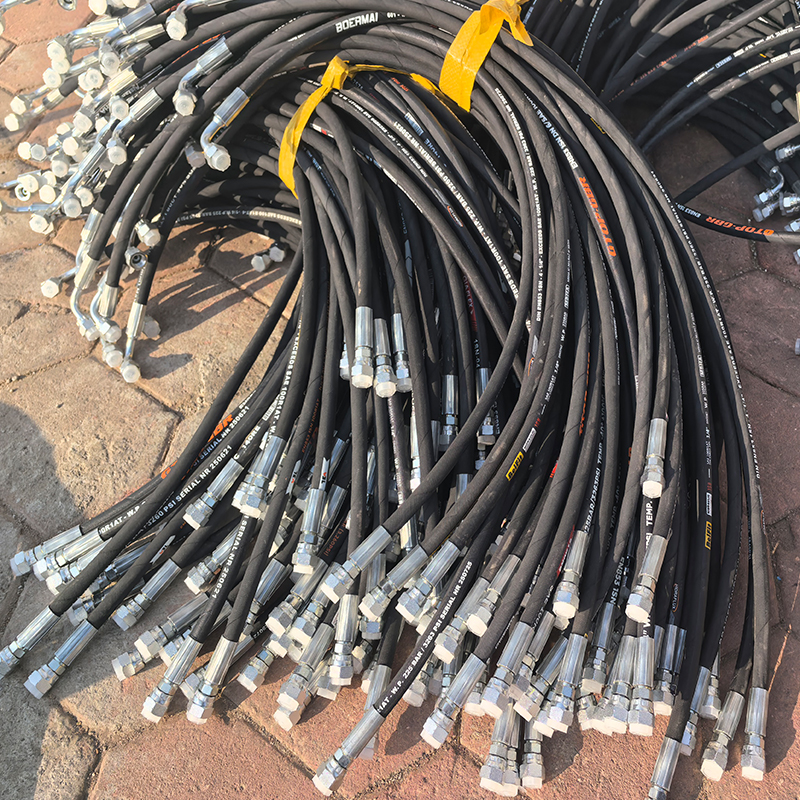 How to Create a Proactive Spiral Hydraulic Hose Replacement Plan That Prevents Downtime?
 Is Your Hydraulic System Overstressing? 5 Diagnostic Signs You Need to Upgrade to Spiral Hose
 Is Your Hydraulic System Pushing Limits? When to Specify Spiral Hose vs. Braided?
 Is Your Machinery Demanding More? Why Upgrade to a Spiral Hydraulic Hose?