
For many Americans, maintaining a vehicle or machinery is part of daily life. Whether it’s a car, truck, or heavy-duty equipment, understanding the components that keep these machines running smoothly is essential. One such component, often overlooked but critical to performance, is the hub oil seal. This unassuming part plays a vital role in preventing leaks, protecting internal systems, and extending the lifespan of mechanical parts. In this article, we’ll explore what a hub oil seal is, how it functions, and why it matters for both everyday drivers and industrial operators.
The Role of a Hub Oil Seal in Mechanical Systems
A hub oil seal is a specialized component designed to create a barrier between moving parts and external elements. Located at the junction of a rotating shaft and a stationary housing—such as in wheel hubs, axles, or gearboxes—its primary job is to prevent lubricants like oil or grease from escaping while keeping dirt, water, and debris out. Without this seal, contaminants could infiltrate sensitive areas, causing friction, corrosion, or complete system failure.
Imagine driving a car without a properly functioning hub oil seal: oil might leak from the wheel hub, leading to reduced lubrication for bearings. Over time, this could result in overheating, unusual noises, or even wheel detachment—a dangerous scenario for any driver. Similarly, in agricultural or construction equipment, a compromised seal could halt operations, costing time and money.
How Does a Hub Oil Seal Work?
The mechanics of a hub oil seal are rooted in its design. Typically made from durable materials like rubber, silicone, or synthetic compounds, these seals feature a flexible lip that presses against the rotating shaft. This lip creates a tight, dynamic seal that moves with the shaft while maintaining contact to block leaks.
Here’s a simplified breakdown of its operation:
Pressure and Contact: The seal’s lip is engineered to apply consistent pressure against the shaft, forming a barrier that resists fluid escape.
Material Flexibility: As the shaft rotates, the seal’s material bends slightly to accommodate movement without breaking its seal.
Spring Assistance: Many seals incorporate a small spring to enhance the lip’s grip on the shaft, ensuring stability even under high speeds or vibrations.
This combination of pressure, flexibility, and reinforcement allows the seal to function effectively in diverse conditions, from highway driving to off-road terrain.
Common Applications Across Industries
Hub oil seals are not limited to automobiles; they’re ubiquitous in machinery across multiple sectors. In the automotive industry, they’re found in wheel hubs, drive axles, and transmissions. For example, a rear-wheel-drive vehicle relies on these seals to retain gear oil in the differential while keeping out road grime.
In agriculture, tractors and harvesters use hub oil seals to protect axle components from mud and moisture, which are abundant in fields. Industrial settings, such as manufacturing plants, depend on these seals to maintain hydraulic systems in conveyor belts or robotic arms. Even recreational vehicles like ATVs or boats incorporate hub oil seals to ensure reliability during rugged use.
Signs of a Failing Hub Oil Seal
Like all mechanical parts, hub oil seals degrade over time. Recognizing the symptoms of a failing seal can prevent costly repairs. Common indicators include:
Visible Leaks: Puddles of oil or grease near wheel hubs or under machinery.
Unusual Noises: Grinding or whining sounds from wheels or axles, often caused by damaged bearings due to lubricant loss.
Overheating Components: Insufficient lubrication can lead to friction and heat buildup.
Contaminant Buildup: Dirt or debris caked around the hub area, suggesting the seal is no longer keeping out external elements.
If left unaddressed, these issues can escalate, requiring replacement of not just the seal but also adjacent components like bearings or gears.
Maintenance Tips to Extend Seal Lifespan
Proactive care can significantly prolong the life of a hub oil seal. Here are some practical steps:
Regular Inspections: Check for leaks or damage during routine maintenance, especially after driving through muddy or salty conditions.
Avoid Harsh Chemicals: When cleaning vehicles or equipment, steer clear of abrasive cleaners that might degrade seal materials.
Lubrication: Ensure the seal and surrounding components are adequately lubricated, as dry conditions can accelerate wear.
Prompt Replacements: If a seal shows signs of cracking or brittleness, replace it immediately to prevent further damage.
The Environmental Impact of Leaking Seals
Beyond mechanical consequences, failing hub oil seals can harm the environment. Oil leaks from vehicles or machinery can contaminate soil and waterways, posing risks to wildlife and ecosystems. For instance, a single quart of motor oil can pollute up to 250.000 gallons of drinking water, according to environmental studies.
By maintaining hub oil seals, individuals and businesses reduce their ecological footprint while complying with regulations governing fluid disposal and leakage. This responsibility aligns with broader efforts to promote sustainability in transportation and industry.
Conclusion: The Unsung Hero of Mechanical Reliability
Though small in size, the hub oil seal is indispensable to the smooth operation of countless machines. Its ability to balance flexibility and durability ensures that lubricants stay where they’re needed while keeping contaminants at bay. For Americans who rely on vehicles or heavy equipment, understanding this component’s function and maintaining it properly can save time, money, and headaches down the road.
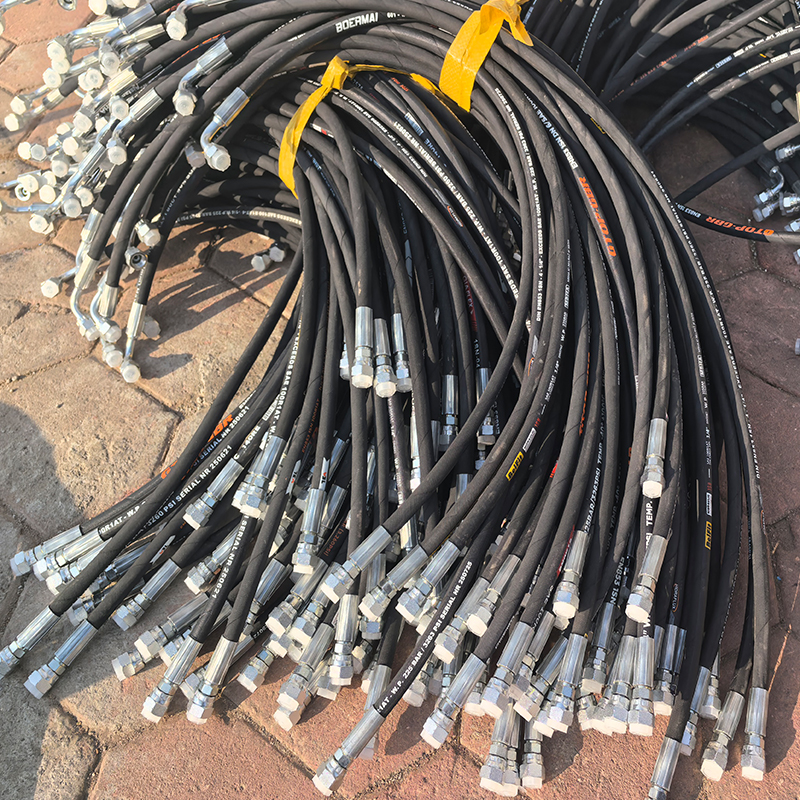 How to Create a Proactive Spiral Hydraulic Hose Replacement Plan That Prevents Downtime?
 Is Your Hydraulic System Overstressing? 5 Diagnostic Signs You Need to Upgrade to Spiral Hose
 Is Your Hydraulic System Pushing Limits? When to Specify Spiral Hose vs. Braided?
 Is Your Machinery Demanding More? Why Upgrade to a Spiral Hydraulic Hose?