
For many Americans, vehicles are more than just transportation—they’re a lifeline to work, family, and adventure. Yet, even the most well-maintained cars and trucks can develop issues over time, often due to worn-out components. One such critical but overlooked part is the hub oil seal, a small yet vital component that prevents lubricants from leaking and protects bearings from contaminants. Ignoring its maintenance can lead to costly repairs or unsafe driving conditions. So, how do you know when it’s time to replace this unsung hero of your vehicle? Let’s explore the signs, risks, and best practices for addressing hub oil seal issues.
The Role of a Hub Oil Seal in Your Vehicle
Before diving into replacement cues, understanding the hub oil seal’s function is essential. Located where the wheel hub meets the axle, this seal acts as a barrier between the lubricated interior of the hub assembly and the external environment. It keeps grease inside to ensure smooth bearing rotation while blocking dirt, water, and debris from causing wear. Over time, heat, friction, and exposure to elements degrade the seal’s material, compromising its effectiveness. A failing seal might seem minor, but its repercussions can ripple through your vehicle’s performance.
Signs Your Hub Oil Seal Needs Attention
Visible Leaks Around the Wheel Hub
The most obvious red flag is grease or oil seeping from the hub area. You might notice dark, sticky residue on the inner rim of the tire or around the brake components. In severe cases, fluid can drip onto the ground, leaving small puddles after parking.
Unusual Noises While Driving
A damaged seal allows contaminants to enter the hub assembly, grinding down bearings and creating friction. This often manifests as a grinding, humming, or whirring noise that worsens with speed. If left unchecked, the bearing could seize entirely, leading to wheel instability.
Overheating Brakes or Hub Components
When lubricant leaks out, friction increases, generating excess heat. If your brakes or hub feel abnormally hot to the touch after short drives, it could signal a compromised seal.
Uneven Tire Wear or Vibration
A failing hub assembly might cause the wheel to wobble, leading to uneven tire tread wear or vibrations in the steering wheel. While these symptoms can stem from multiple issues, a worn seal is a plausible culprit.
The Risks of Delaying Replacement
Procrastination is tempting when budgets are tight, but postponing hub oil seal replacement can escalate problems. A small leak can quickly turn into a complete bearing failure, stranding you on the road or causing an accident. Additionally, leaked grease can attract dirt, accelerating wear on brake pads and rotors. In worst-case scenarios, contaminated bearings might damage the axle or hub itself, requiring expensive replacements. For fleet operators or daily commuters, such downtime translates to lost productivity and higher repair bills.
When to Prioritize Inspection Over Replacement
Not every leak or noise requires an immediate seal replacement. Sometimes, external factors mimic seal failure. For example:
Recent off-road driving might coat the hub with mud, resembling a leak.
Over-greasing during maintenance can push excess lubricant past the seal.
Normal aging might cause slight seepage without affecting performance.
If symptoms are mild, a professional inspection can determine whether cleaning, resealing, or full replacement is necessary. Regular maintenance checks—especially before long trips or harsh weather seasons—can catch issues early.
DIY vs. Professional Replacement: What to Consider
Replacing a hub oil seal isn’t rocket science, but it demands precision. For mechanically inclined individuals, DIY kits and tutorials exist, but mistakes can be costly. Key challenges include:
Properly removing the hub assembly without damaging adjacent parts.
Installing the new seal at the correct angle to ensure a tight fit.
Disposing of old lubricants responsibly to avoid environmental harm.
If you’re unsure about your skills or lack specialized tools, hiring a mechanic is safer. Professionals can also inspect related components like bearings and axles, offering peace of mind.
Extending the Lifespan of Your Hub Oil Seal
Prevention is always cheaper than repair. To maximize your seal’s longevity:
Avoid harsh chemicals when cleaning wheels, as they can degrade rubber seals.
Stick to recommended lubricants—using the wrong grease can cause seals to swell or crack.
Drive cautiously on rough terrain to minimize vibrations that stress the hub assembly.
Schedule regular inspections, particularly for vehicles used in extreme conditions (e.g., towing, frequent stop-and-go traffic).
Conclusion: Stay Proactive, Stay Safe
Your hub oil seal might be small, but its role in maintaining vehicle safety and efficiency is monumental. By recognizing early warning signs—leaks, noises, or heat—you can address issues before they spiral out of control. Whether you opt for a DIY fix or professional help, timely action saves money and prevents accidents. Remember, a well-maintained vehicle isn’t just about reliability; it’s about protecting yourself and others on the road.
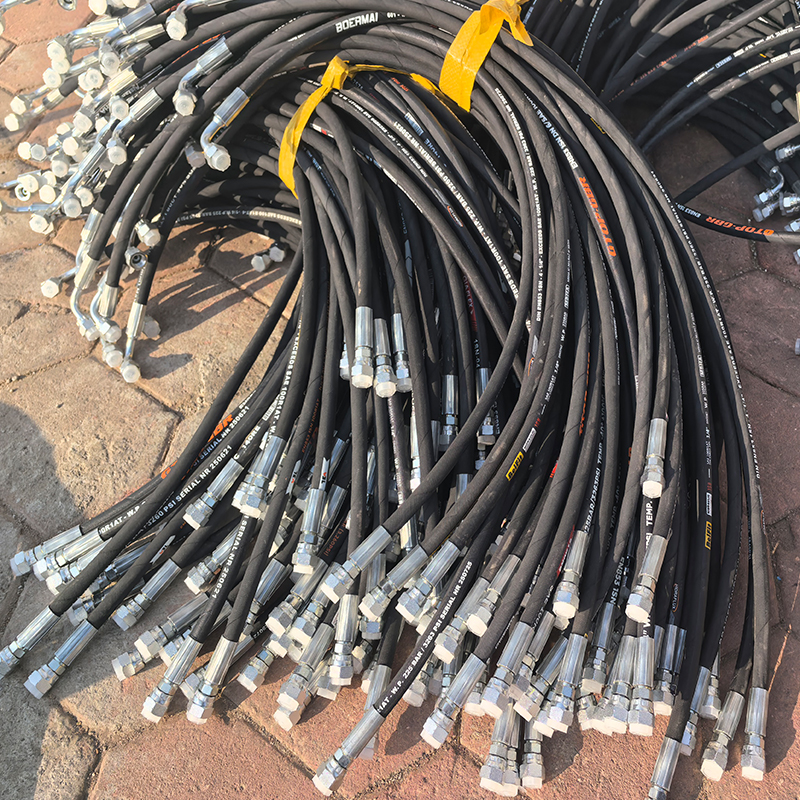 How to Create a Proactive Spiral Hydraulic Hose Replacement Plan That Prevents Downtime?
 Is Your Hydraulic System Overstressing? 5 Diagnostic Signs You Need to Upgrade to Spiral Hose
 Is Your Hydraulic System Pushing Limits? When to Specify Spiral Hose vs. Braided?
 Is Your Machinery Demanding More? Why Upgrade to a Spiral Hydraulic Hose?