
For many vehicle owners, discovering an oil leak can be a frustrating and concerning experience. While leaks can occur in various parts of a vehicle, hub oil seal leakage is a common yet often overlooked problem. This issue, if ignored, can lead to significant mechanical damage, reduced performance, and even safety hazards. To help drivers better understand and address this concern, this article explores the primary causes of hub oil seal leakage, offering insights into prevention and maintenance.
Wear and Tear Over Time
One of the most inevitable causes of hub oil seal leakage is the natural degradation of materials due to aging. Oil seals are typically made from rubber or synthetic compounds designed to withstand heat, friction, and exposure to lubricants. However, over time, these materials lose their elasticity and become brittle. As the seal hardens, it may crack or develop gaps, allowing oil to escape.
This process is accelerated by extreme temperatures, frequent exposure to contaminants, and prolonged use. For example, vehicles operating in hot climates or those used for heavy-duty tasks like towing may experience faster seal deterioration. Regular inspections and timely replacements are essential to mitigate this risk, as even minor cracks can lead to substantial leaks if left unaddressed.
Improper Installation or Maintenance
A hub oil seal’s effectiveness depends heavily on correct installation. If the seal is not seated properly during assembly, it may fail to create a tight barrier against oil. Common mistakes include misalignment, over-tightening, or using damaged tools that scratch the seal’s surface. Similarly, improper handling during maintenance—such as forcing components into place or neglecting to clean the housing area—can compromise the seal’s integrity.
Routine maintenance also plays a critical role. Failing to replace worn bearings or contaminated lubricants can create excessive pressure on the seal, causing it to deform or leak. Vehicle owners should follow manufacturer guidelines for service intervals and ensure that technicians use the right procedures when working on hub assemblies.
Contamination by Dirt and Debris
The hub area is particularly vulnerable to dirt, gravel, and other road debris. When these particles accumulate around the seal, they can act like abrasives, wearing down the material over time. In severe cases, debris may even puncture the seal, creating an immediate pathway for oil to escape.
This issue is especially prevalent in off-road vehicles or those driven in areas with unpaved roads. Regular cleaning of the wheel wells and hub area can help minimize contamination. Additionally, using protective covers or shields during off-road excursions may provide an extra layer of defense against debris-related damage.
Excessive Heat and Friction
Hub oil seals operate in a high-stress environment, where heat and friction are constant challenges. When bearings or other rotating components become worn, they generate additional friction, which raises temperatures around the seal. Overheating can cause the seal to warp or lose its shape, reducing its ability to hold oil in place.
Poor lubrication exacerbates this problem. Without adequate oil flow, moving parts generate more heat, creating a cycle of damage that accelerates seal failure. Ensuring proper lubrication and addressing bearing issues promptly are key steps in preventing heat-related leaks.
Chemical Exposure and Corrosion
Certain chemicals, including harsh cleaning agents, solvents, and even some types of oil additives, can degrade the materials used in oil seals. For example, prolonged exposure to petroleum-based products or corrosive substances may cause the seal to swell, shrink, or crack. This is particularly relevant for vehicles used in industrial settings or those subjected to frequent chemical exposure during maintenance.
To avoid this, owners should use only recommended cleaning products and avoid spraying chemicals directly onto the hub area. If chemical exposure is unavoidable, rinsing the area thoroughly with water afterward can help minimize damage.
Vibration and Mechanical Stress
Vibrations from an unbalanced wheel or misaligned axle can place uneven pressure on the hub oil seal. Over time, this stress may cause the seal to shift or develop leaks. Similarly, sudden impacts—such as hitting a pothole or curb—can dislodge the seal or damage its housing, creating vulnerabilities.
Regular wheel alignments and tire rotations can reduce excessive vibrations, while cautious driving habits minimize the risk of impact-related damage. If unusual noises or vibrations occur, addressing them early may prevent further harm to the seal and surrounding components.
Conclusion: Proactive Measures for Long-Term Protection
Hub oil seal leakage is rarely caused by a single factor; instead, it often results from a combination of aging, environmental conditions, and mechanical issues. By understanding these common causes, vehicle owners can take proactive steps to protect their hubs and extend the lifespan of their seals.
Simple actions like adhering to maintenance schedules, avoiding harsh chemicals, and driving carefully can make a significant difference. For those unsure about the condition of their seals, consulting a trusted mechanic for an inspection is always a wise choice. With proper care, hub oil seals can perform reliably, ensuring smooth operation and preventing costly repairs down the road.
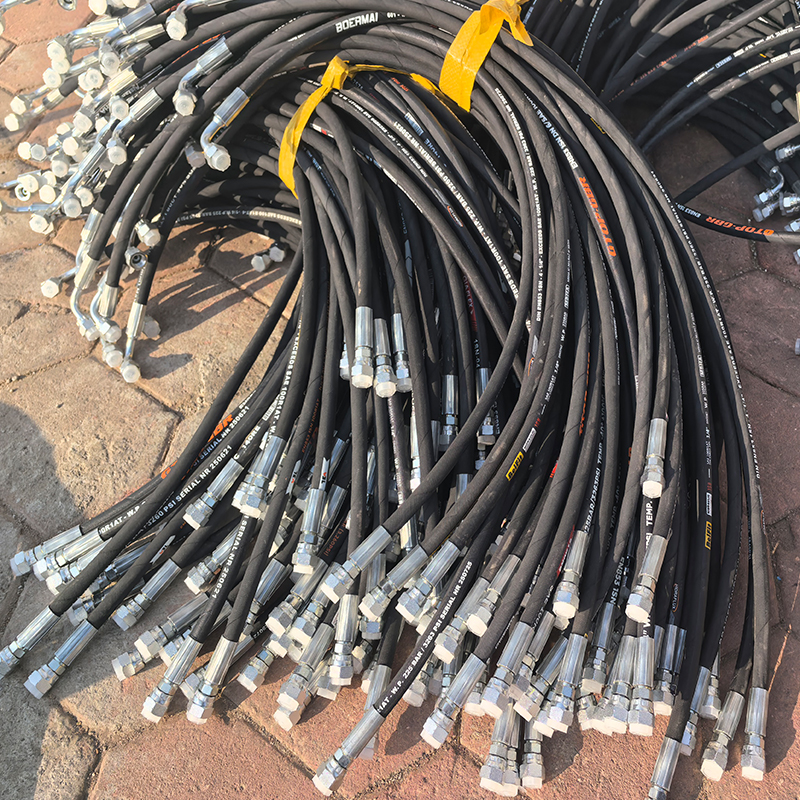 How to Create a Proactive Spiral Hydraulic Hose Replacement Plan That Prevents Downtime?
 Is Your Hydraulic System Overstressing? 5 Diagnostic Signs You Need to Upgrade to Spiral Hose
 Is Your Hydraulic System Pushing Limits? When to Specify Spiral Hose vs. Braided?
 Is Your Machinery Demanding More? Why Upgrade to a Spiral Hydraulic Hose?