
Every vehicle component plays a critical role in ensuring smooth operation, but some parts are so subtle in their function that their failure often goes unnoticed until it’s too late. The hub oil seal is one such unsung hero. Nestled between the wheel hub and axle, this small but mighty component prevents lubricants from leaking while keeping dirt and debris out. When it fails, the consequences can range from minor inconveniences to costly repairs. Here’s how to recognize the warning signs that your hub oil seal needs urgent attention.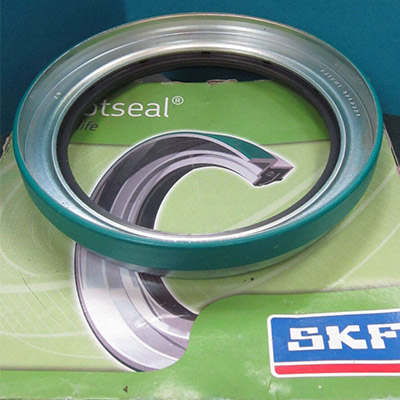
Unexplained Grease Stains Around the Wheels
One of the most visible indicators of a failing hub oil seal is the presence of grease or oil stains on the inner rim of your tires or around the wheel well. Over time, as the seal deteriorates, it loses its ability to retain lubricant within the hub assembly. This causes grease to seep out, leaving behind telltale streaks or puddles. While these stains might seem harmless at first glance, they signal a breach in the system that could lead to accelerated wear of bearings and other moving parts. Drivers should inspect their wheels regularly, especially after long trips, to catch these leaks early.
Strange Noises While Driving
A healthy hub assembly operates quietly, but a compromised oil seal can introduce unwanted noise. As lubricant escapes, metal components like bearings may grind against each other due to insufficient lubrication. This friction often produces a low humming or grinding sound that intensifies with speed. In some cases, you might hear a clicking or popping noise when turning corners, indicating uneven pressure distribution caused by leaking grease. Ignoring these sounds can result in irreversible damage to the wheel hub or axle, turning a simple seal replacement into a major overhaul.
Vibrations or Wobbling Sensation
A failing hub oil seal doesn’t just leak—it can also destabilize the entire wheel assembly. When grease escapes, the internal components may become misaligned or overly dry, leading to imbalances in the wheel’s rotation. This imbalance often manifests as vibrations felt through the steering wheel or a wobbling sensation at higher speeds. While these symptoms could overlap with issues like unbalanced tires or worn suspension parts, they warrant a thorough inspection of the hub area. Addressing the root cause early prevents further damage to the axle or steering system.
Overheating Hub Assembly
Lubricant serves as a coolant for the hub assembly, dissipating heat generated by friction. When the oil seal fails, the loss of grease means the components must operate without proper cooling. Over time, this can cause the hub assembly to overheat, leading to warping or premature failure of bearings and seals. Drivers might notice a burning smell emanating from the wheels after driving, particularly in hot weather or during prolonged use. If left unchecked, overheating can compromise the structural integrity of the hub, requiring a complete replacement.
ABS Warning Light Activation
Modern vehicles rely on sensors to monitor wheel speed and other critical metrics. A leaking hub oil seal can interfere with these sensors by allowing debris or moisture to infiltrate the hub assembly. This contamination may disrupt the sensor’s ability to communicate accurately with the vehicle’s computer system, triggering the ABS (Anti-lock Braking System) warning light. While this light can indicate various issues, a failing seal is a plausible culprit, especially when paired with other symptoms like noise or leaks. Prompt diagnosis is essential to avoid compromising braking performance.
Corrosion or Rust on the Hub Surface
The hub oil seal not only retains lubricant but also acts as a barrier against environmental contaminants. When the seal cracks or wears down, moisture and road salt can penetrate the assembly, accelerating corrosion. Over time, rust may form on the hub’s exterior or around the axle shaft, weakening the connection between components. This corrosion can make future repairs more challenging and expensive, as damaged parts may need to be replaced rather than repaired. Regular visual inspections of the hub area can help identify rust before it spreads.
Difficulty Steering or Uneven Tire Wear
In advanced cases, a severely compromised hub oil seal can impact steering responsiveness. As the hub assembly degrades, the wheel may not rotate as freely as intended, causing the steering to feel stiff or unresponsive. This resistance can also lead to uneven tire wear, as certain parts of the tire experience more friction than others. Drivers might notice scalloped or cupped patterns on the tread, which are classic signs of alignment issues stemming from hub problems. Addressing the seal failure promptly can restore smooth steering and prolong tire lifespan.
Conclusion: Don’t Wait Until It’s Too Late
The hub oil seal might be small, but its role in maintaining vehicle health is monumental. By staying vigilant for these warning signs—grease stains, unusual noises, vibrations, overheating, sensor warnings, corrosion, or steering issues—drivers can intervene before minor problems escalate into major repairs. Regular maintenance checks and prompt action are key to preserving the longevity of your vehicle’s hub assembly and ensuring a safe, smooth ride. Remember, when it comes to automotive care, prevention is always cheaper than repair.
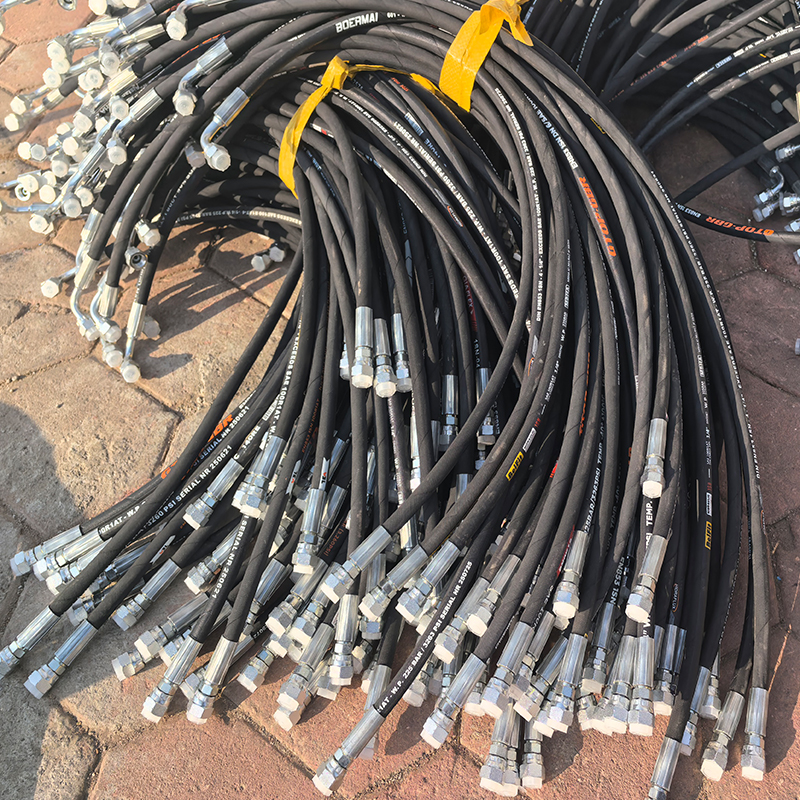 How to Create a Proactive Spiral Hydraulic Hose Replacement Plan That Prevents Downtime?
 Is Your Hydraulic System Overstressing? 5 Diagnostic Signs You Need to Upgrade to Spiral Hose
 Is Your Hydraulic System Pushing Limits? When to Specify Spiral Hose vs. Braided?
 Is Your Machinery Demanding More? Why Upgrade to a Spiral Hydraulic Hose?