
When it comes to vehicle maintenance, most drivers are aware of the importance of regular oil changes. However, not everyone fully understands the impact that the quality of the oil can have on various components of the vehicle, including the often-overlooked hub oil seal. This small but crucial part plays a significant role in keeping the hub assembly in good working condition, and using low-quality oil can have a detrimental effect on it.
The Role of the Hub Oil Seal
The hub oil seal is a small, circular component that is typically made of rubber or a similar flexible material. Its primary function is to prevent the leakage of lubricating oil from the hub assembly. The hub assembly houses various parts such as bearings, which need to be properly lubricated to function smoothly and reduce friction. By creating a tight seal, the hub oil seal ensures that the oil stays inside the assembly, protecting the components from premature wear and tear.
How Low-Quality Oil Differs
Low-quality oil often lacks the proper additives and has an inferior base stock compared to high-quality oil. These additives are essential for maintaining the oil's performance under different operating conditions. For example, anti-wear additives help protect the metal surfaces of the components from coming into direct contact with each other, reducing friction and wear. Low-quality oil may also have a lower viscosity stability, meaning it can thin out or thicken more easily with changes in temperature, affecting its ability to flow and lubricate effectively.
Increased Wear and Tear on the Seal
When low-quality oil is used, the lack of proper additives can lead to increased friction between the moving parts within the hub assembly. This increased friction generates more heat, which can cause the rubber material of the hub oil seal to degrade over time. The seal may become brittle, lose its elasticity, and develop cracks or leaks. As a result, the oil can start to seep out of the hub assembly, leading to a loss of lubrication for the internal components.
Contamination and Chemical Damage
Low-quality oil is also more likely to contain impurities and contaminants. These particles can act like abrasives, scraping against the inner surface of the hub oil seal as the oil circulates. Over time, this abrasive action can wear down the seal, creating small holes or gaps that allow oil to escape. Additionally, some low-quality oils may contain chemicals that are incompatible with the rubber material of the seal, causing it to swell, shrink, or deteriorate prematurely.
Impact on Lubrication and Component Life
The leakage of oil due to a damaged hub oil seal not only affects the seal itself but also has a significant impact on the overall performance and lifespan of the hub assembly components. Without proper lubrication, the bearings and other moving parts will experience increased friction and heat, leading to accelerated wear. This can result in noisy operation, reduced fuel efficiency, and in severe cases, complete failure of the hub assembly, which can be a costly repair.
Signs of a Damaged Hub Oil Seal
There are several signs that may indicate a damaged hub oil seal. One of the most obvious is the presence of oil leaks around the hub area. You may notice oil stains on the ground where the vehicle is parked or on the wheel itself. Another sign is a grinding or whining noise coming from the hub assembly, especially when the vehicle is in motion. This noise is often a result of the increased friction caused by the lack of proper lubrication. If you experience any of these symptoms, it's important to have your vehicle inspected by a qualified mechanic as soon as possible.
The Importance of Using High-Quality Oil
To prevent damage to the hub oil seal and ensure the longevity of the hub assembly components, it's crucial to use high-quality oil that meets the manufacturer's specifications. High-quality oil contains the necessary additives to protect the components from wear and tear, maintain proper viscosity under different temperature conditions, and resist contamination. Regular oil changes with the right type of oil can also help remove any built-up contaminants and keep the engine and other components running smoothly.
In conclusion, the quality of the oil used in a vehicle has a direct impact on the performance and lifespan of the hub oil seal. Low-quality oil can cause increased wear and tear, contamination, and chemical damage to the seal, leading to oil leaks and potential damage to the hub assembly components. By using high-quality oil and following the manufacturer's maintenance recommendations, drivers can protect their vehicles and avoid costly repairs in the long run. So, the next time you're due for an oil change, remember that choosing the right oil is not just about protecting your engine but also about safeguarding the small but vital components like the hub oil seal.
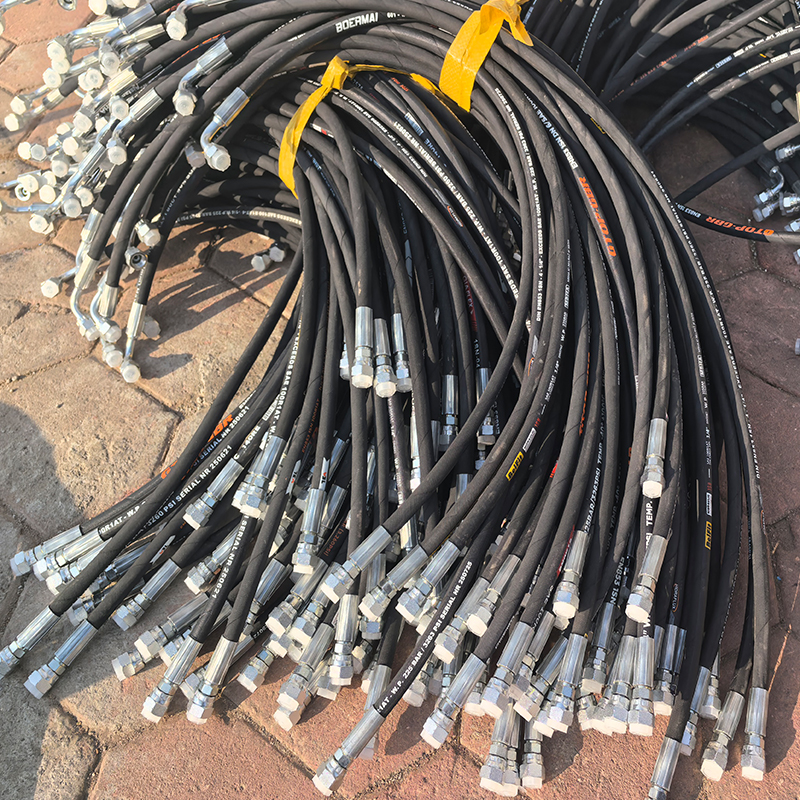 How to Create a Proactive Spiral Hydraulic Hose Replacement Plan That Prevents Downtime?
 Is Your Hydraulic System Overstressing? 5 Diagnostic Signs You Need to Upgrade to Spiral Hose
 Is Your Hydraulic System Pushing Limits? When to Specify Spiral Hose vs. Braided?
 Is Your Machinery Demanding More? Why Upgrade to a Spiral Hydraulic Hose?