
When it comes to maintaining vehicles, even small components play a critical role in ensuring smooth operation and longevity. One such component is the hub oil seal, a seemingly minor part that prevents lubricants from leaking and protects internal mechanisms from contaminants. However, using the incorrect hub oil seal can lead to a cascade of problems, ranging from minor inconveniences to catastrophic mechanical failures. This article explores the repercussions of ignoring this detail, helping vehicle owners understand why precision matters.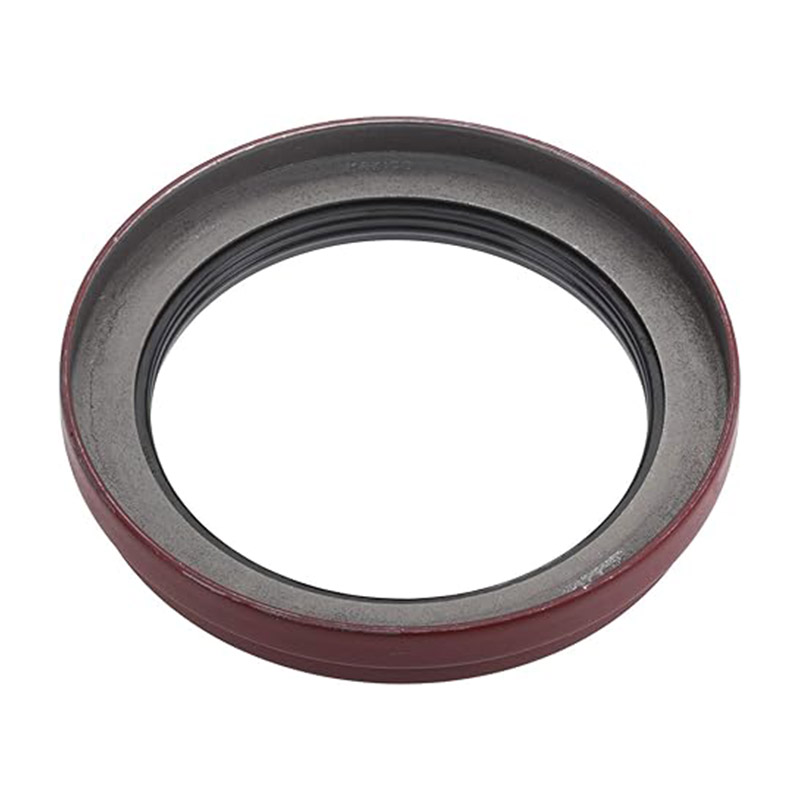
Uncontrolled Leakage of Lubricants
The primary function of a hub oil seal is to retain grease or oil within the hub assembly, ensuring bearings and gears remain properly lubricated. When the wrong seal is installed, it often fails to create an effective barrier against pressure and movement. This can result in gradual or sudden leakage of lubricants, which has immediate and long-term consequences.
Leaking grease not only creates messy stains on driveways and garages but also reduces the lifespan of the hub assembly. Without adequate lubrication, friction increases, causing components to wear faster. Over time, this can lead to overheating, erratic performance, or complete failure of the wheel hub. For drivers, this means unexpected breakdowns, costly repairs, and safety risks, especially if the issue occurs while traveling at high speeds.
Contamination of Internal Components
A compromised hub oil seal doesn’t just allow lubricants to escape—it also lets in dirt, water, and debris. These contaminants infiltrate the hub assembly, mixing with residual grease to form abrasive sludge. This mixture accelerates wear on bearings, seals, and gears, which are designed to operate in a clean, controlled environment.
For example, water ingress can cause rust and corrosion, weakening metal parts and leading to pitting or cracking. Dust and gravel, meanwhile, act like sandpaper, grinding down surfaces and creating uneven wear patterns. Over time, these issues compromise the structural integrity of the hub, increasing the likelihood of mechanical failure. In extreme cases, contaminants can even migrate to other systems, such as braking components, creating additional safety hazards.
Premature Wear and Mechanical Failures
The hub assembly is a high-precision system where every part must work in harmony. An ill-fitting oil seal disrupts this balance by exposing sensitive components to conditions they weren’t designed to handle. Bearings, for instance, rely on consistent lubrication to distribute loads evenly. When lubrication is lost or contaminated, bearings can develop flat spots, leading to vibration, noise, and eventual seizure.
Similarly, gears within the hub assembly may experience excessive friction, causing them to chip or warp. These failures often manifest as grinding noises, reduced steering responsiveness, or uneven tire wear. If left unaddressed, the damage can spread to related systems, such as axles or differentials, turning a relatively simple repair into a complex and expensive overhaul.
Increased Maintenance Costs and Downtime
Using the wrong hub oil seal might seem like a cost-saving measure in the short term, but it often backfires in the long run. Frequent leaks and contamination require more frequent inspections, top-ups of lubricants, and cleanings. Over time, these minor tasks add up, consuming both time and money.
Moreover, premature failures necessitate replacements or repairs that could have been avoided with the correct seal. For commercial vehicles or fleets, downtime translates to lost revenue, missed deadlines, and dissatisfied customers. Even individual drivers face inconveniences like rental car expenses, towing fees, and the stress of unexpected breakdowns. Investing in the right seal upfront is a small price to pay for avoiding these headaches.
Safety Risks on the Road
Perhaps the most alarming consequence of using the wrong hub oil seal is the potential for safety hazards. A failing hub assembly can cause wheels to wobble or lock up, especially at high speeds. This increases the risk of accidents, particularly during sudden maneuvers or emergency stops.
Additionally, contaminated brakes—a secondary effect of seal failure—can reduce stopping power, making it harder to control the vehicle. For families, commuters, or anyone sharing the road, these risks are unacceptable. Regular maintenance, including the use of correctly specified seals, is essential to ensuring that every journey ends safely.
Environmental Harm from Leaking Lubricants
Beyond mechanical and safety concerns, using the wrong hub oil seal also has environmental implications. Leaking grease and oil can contaminate soil and waterways, harming wildlife and ecosystems. Even small spills in residential areas can disrupt local flora and fauna, while larger leaks on highways contribute to broader pollution problems.
Many regions have strict regulations governing the disposal of automotive fluids, and negligence can result in fines or legal action. By choosing the right seal, drivers not only protect their vehicles but also minimize their ecological footprint.
Conclusion: The Importance of Precision
The hub oil seal may be a small part, but its role in vehicle performance is undeniable. Using the wrong seal—whether due to cost-cutting, oversight, or lack of knowledge—can lead to leaks, contamination, premature wear, and even safety hazards. For drivers, this means higher maintenance costs, unexpected downtime, and environmental guilt.
 How to Create a Proactive Spiral Hydraulic Hose Replacement Plan That Prevents Downtime?
 Is Your Hydraulic System Overstressing? 5 Diagnostic Signs You Need to Upgrade to Spiral Hose
 Is Your Hydraulic System Pushing Limits? When to Specify Spiral Hose vs. Braided?
 Is Your Machinery Demanding More? Why Upgrade to a Spiral Hydraulic Hose?