
In the intricate world of food and beverage processing, where hygiene, safety, and efficiency are paramount, the role of seemingly mundane components like rubber plugs cannot be overstated. While they may often go unnoticed, rubber plugs play a critical role, particularly in underwater applications within this industry. This article delves into the significance of rubber plugs in such contexts, exploring their fundamental functions, advantages, various types, selection criteria, practical applications, and essential considerations for their use.
Rubber plugs stand as indispensable assets in underwater applications, especially where sealing off moisture or isolating water is imperative. They act as barriers, effectively preventing water ingress and maintaining structural integrity and safety across diverse environments. In food and beverage processing, where equipment is frequently subjected to wet conditions, from cleaning processes to direct contact with liquid ingredients, the reliability of rubber plugs becomes crucial.
Core Functions and Advantages of Rubber Plugs
Waterproofing Prowess: Rubber plugs excel in their waterproof capabilities, forming a tight seal that blocks water entry. This is vital in preventing contamination, maintaining product quality, and safeguarding machinery from water damage.
Corrosion Resistance: Many rubber plugs exhibit robust resistance to a range of chemicals commonly found in food processing environments, such as acids, bases, and cleaning agents. This chemical resilience ensures longevity and reliability even in harsh conditions.
Durability and Longevity: With a lengthy lifespan and low maintenance requirements, rubber plugs offer a cost-effective solution. Their durability reduces the frequency of replacements, minimizing downtime and associated costs in food production settings.
Exploring Different Types of Rubber Plugs and Their Applications
EPDM Rubber Plugs
Characteristics: Noted for their resistance to aging, low electrical conductivity, and high-temperature tolerance, EPDM (ethylene propylene diene monomer) rubber plugs are versatile.
Applications: Frequently utilized in the manufacture of electronic rubber components for appliances used in food processing facilities, ensuring both safety and efficiency.
Diver-Used Plugs for Underwater Blocking
Characteristics: Designed to withstand substantial pressure and water forces, these plugs are specialized for underwater applications.
Applications: Ideal for underwater pipeline construction, maintenance, and repairs in food processing plants, where access to piping systems may require submersion.
Pool Ladder Rubber Plugs
Characteristics: Offering excellent waterproofing and weather resistance, these plugs are tailored for outdoor use.
Applications: Primarily employed in sealing and protecting pool ladders within recreational facilities adjacent to food and beverage processing sites, ensuring safety and longevity of structures exposed to water and environmental elements.
Factors to Consider When Selecting Rubber Plugs
Environmental Conditions
Temperature Range: Rubber plugs' performance can vary with temperature. It's essential to choose plugs that maintain their integrity across the temperature fluctuations typical in food processing environments.
Chemical Exposure: Assess the plug's resistance to specific chemicals it may encounter, such as food acids, bases, or sanitizers, to prevent degradation.
Structural Strength and Durability
Pressure Resistance: Ensure the rubber plug can endure the expected water pressure without failing, crucial for maintaining seals in submerged applications.
Abrasion Resistance: A plug's ability to withstand wear extends its service life, reducing the need for frequent replacements.
Ease of Installation and Maintenance
Installation Method: Opt for rubber plugs that are straightforward to install, enhancing operational efficiency during setup or repairs.
Maintenance Requirements: Consider the ongoing maintenance needs of the rubber plug to ensure it continues to function optimally over time.
Real-World Application Cases
Underwater Construction and Maintenance
In a project involving underwater pipeline work at a food processing facility, specialized rubber plugs were employed for sealing during modifications. This approach not only elevated construction efficiency but also bolstered worker safety by minimizing risks associated with water intrusion.
Sealing Protection for Pool Ladders
The strategic use of rubber plugs as pre-installed components in pool ladders adjacent to processing areas highlights their effectiveness in safeguarding structures. These plugs, resistant to both water and UV exposure, contribute to the extended lifespan of the ladders, ensuring they remain safe and functional.
Key Considerations for Optimal Use
When integrating rubber plugs into your food and beverage processing operations, several considerations are vital:
Application-Specific Selection: Tailor your choice of rubber plug to the precise conditions and demands of its intended use.
Regular Inspection and Maintenance: Implement a routine for checking and maintaining rubber plugs to preemptively address any potential issues, preserving their performance and extending their lifespan.
Rubber plugs, though unassuming, are pivotal in the food and beverage processing sector, particularly in underwater applications. Their waterproofing abilities, chemical resistance, and durability make them indispensable in maintaining hygiene, safety, and operational efficiency. By carefully selecting rubber plugs based on environmental conditions, structural requirements, and ease of maintenance, and by adhering to regular inspection protocols, food and beverage processors can ensure these unsung heroes continue to perform reliably, contributing to the overall success of their operations.
In essence, rubber plugs are not just components; they are critical elements that uphold the integrity of processes, protect investments, and ultimately, ensure the delivery of safe, high-quality products to consumers. As the industry evolves, so too will the technology behind these essential sealing solutions, further enhancing their role in the food and beverage processing landscape.
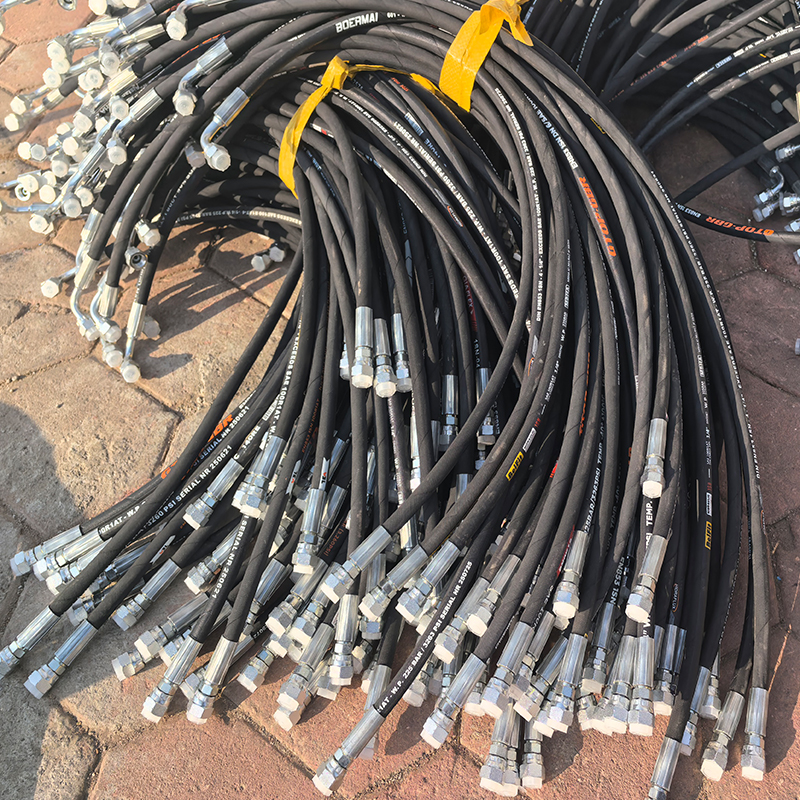 How to Create a Proactive Spiral Hydraulic Hose Replacement Plan That Prevents Downtime?
 Is Your Hydraulic System Overstressing? 5 Diagnostic Signs You Need to Upgrade to Spiral Hose
 Is Your Hydraulic System Pushing Limits? When to Specify Spiral Hose vs. Braided?
 Is Your Machinery Demanding More? Why Upgrade to a Spiral Hydraulic Hose?