
In the realm of materials science, understanding the behavior of rubber under various conditions is crucial, particularly when it comes to applications where rubber plugs are subjected to compression. One of the key properties of rubber in such scenarios is compression set, which refers to the permanent deformation that occurs after the rubber has been compressed for a certain period of time. While specific factors affecting the compression set of rubber plugs may not be directly addressed in a concise manner across all available resources, insights can be gleaned from a variety of related factors. This article delves into the key elements that can influence the compression set of rubber plugs, shedding light on this important aspect of rubber material performance.
Material Composition: A Foundation for Properties
The chemical composition of rubber and the additives incorporated during its manufacture play a pivotal role in determining its compression set characteristics. Rubber compounds can be tailored with various fillers, vulcanizing agents, stabilizers, and other additives to enhance specific properties. These components not only affect the initial performance of the rubber but also its long-term behavior under compressive loads.
Fillers, for instance, can reinforce the rubber matrix, improving its resistance to deformation. However, the type, particle size, and dispersion of these fillers are critical. Poorly dispersed or excessive filler content can lead to increased stress concentrations, potentially exacerbating compression set. Similarly, vulcanizing agents facilitate the cross-linking of rubber molecules, which is essential for developing the elastic properties of rubber. The choice of vulcanizing agent and the vulcanization process conditions can significantly impact the final compression set of the rubber plug.
Temperature: A Double-Edged Sword
Temperature is another critical factor that influences the compression set of rubber plugs. Elevated temperatures often lead to an increase in compression set due to the accelerated molecular motion and relaxation processes within the rubber. As temperature rises, the rubber becomes more susceptible to permanent deformation under sustained compression.
This temperature effect is particularly relevant for rubber plugs used in high-temperature environments, such as automotive engines or industrial machinery. In such cases, special consideration must be given to selecting rubber compounds that exhibit good heat resistance and low compression set at elevated temperatures.
Pressure: The Force That Shapes Permanence
The magnitude and duration of the applied pressure are also key factors influencing rubber compression set. Higher pressures and prolonged exposure to these pressures can result in greater permanent deformation. This is because the rubber molecules are forced closer together under compression, and over time, they may rearrange in a way that leads to a new, more compressed equilibrium state.
Understanding the pressure-compression set relationship is essential for designing rubber plugs that can withstand the specific loads they will encounter in service. For applications where high pressures are anticipated, engineers may need to select rubber compounds with higher cross-link densities or incorporate reinforcing elements to mitigate compression set.
Time: The Unseen Catalyst
Time is an often-overlooked but crucial factor in the development of compression set. The longer the rubber is subjected to compressive forces, the greater the likelihood of permanent deformation. This time-dependent behavior is a result of the viscoelastic nature of rubber, which exhibits both elastic (recoverable) and viscous (non-recoverable) characteristics.
In practical terms, this means that rubber plugs used in applications requiring long-term compression, such as gaskets or seals, must be carefully designed and selected to minimize compression set over their intended service life. This may involve using rubber compounds with slower relaxation rates or incorporating design features that reduce the sustained compressive load.
Vulcanization Conditions: A Balancing Act
The vulcanization process, which involves heating the rubber compound to facilitate cross-linking, is critical for developing the desired physical and mechanical properties of the rubber. The temperature and time control during vulcanization can significantly impact the compression set of the final product.
Proper vulcanization conditions ensure that the rubber molecules are adequately cross-linked, providing the necessary strength and elasticity while minimizing compression set. Inadequate vulcanization can lead to under-cured rubber with poor mechanical properties and increased compression set, while over-vulcanization can result in brittle rubber with reduced elasticity and potentially higher compression set due to excessive cross-linking.
Mold Design: The Blueprint for Performance
The design and manufacturing quality of the mold used to produce the rubber plug also play a significant role in its compression set. The precision and surface finish of the mold can affect the uniformity and stress distribution within the rubber.
A well-designed mold ensures that the rubber is evenly compressed during the molding process, reducing the likelihood of localized stress concentrations that can lead to increased compression set. Additionally, the mold's surface finish can influence the rubber's ability to release from the mold without tearing or deforming, which can also affect the final compression set.
To gain a more detailed understanding of the factors affecting rubber plug compression set, it is advisable to consult research literature specifically focused on rubber materials and their performance. These resources can provide in-depth information on the various factors influencing compression set and how they interact with one another.
Furthermore, engaging with professional rubber product manufacturers and technical experts can offer valuable insights and precise data. These experts can help tailor rubber compounds and design parameters to meet the specific requirements of the application, ensuring optimal performance and minimizing compression set in rubber plugs.
In conclusion, the compression set of rubber plugs is influenced by a complex interplay of material composition, temperature, pressure, time, vulcanization conditions, and mold design. By carefully considering and controlling these factors, engineers and manufacturers can develop rubber plugs that exhibit the desired level of resistance to permanent deformation under compressive loads, ensuring reliable performance in a wide range of applications.
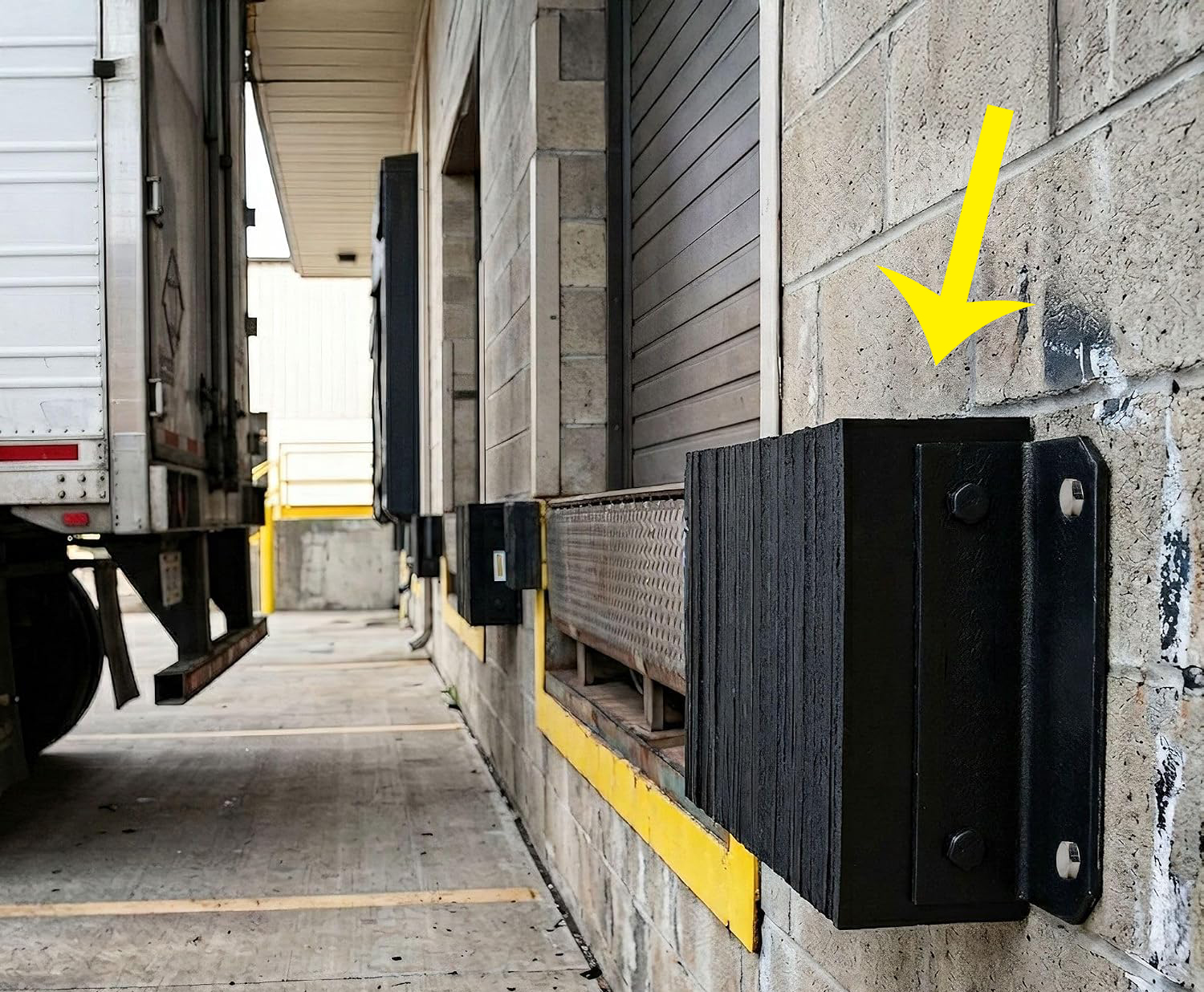 Rubber Laminated Loading Dock Bumper with Steel Angle: 5 Field Failure Signs That Point Back to the RFQ
 Bridge Bearing Pad Field Failure: 5 Visual Signs Before It Retires (And What Caused It)
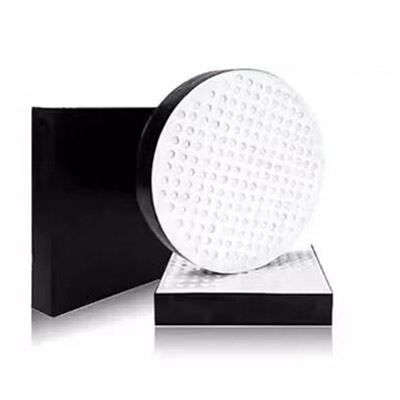 Bridge Bearing Pad RFQ Checklist: 9 Lines That Stop Suppliers From Subbing the Rubber
 Laminated Rubber Bearing: Maintenance and Inspection Protocols