
Rubber plugs, though durable, can sustain damage over time due to wear and tear, exposure to harsh elements, or improper handling. When faced with a damaged rubber plug, it's essential to address the issue promptly to prevent further deterioration and ensure the plug continues to serve its intended purpose effectively. Fortunately, there are several methods to repair damaged rubber plugs, depending on the extent of the damage. In this comprehensive guide, we will explore these methods in detail, providing you with the knowledge to tackle minor to severe damage to your rubber plugs.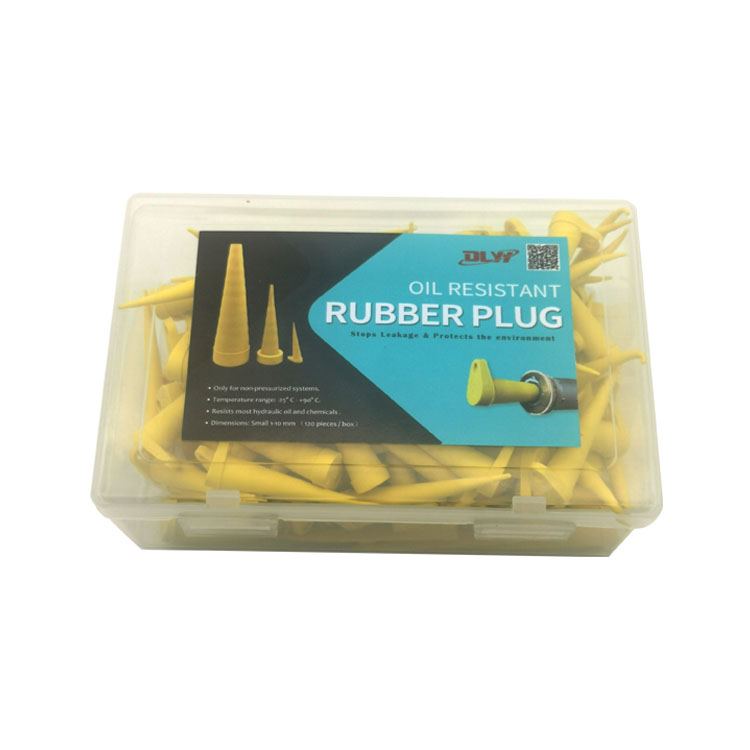
Using Adhesive for Minor Repairs
For small scratches, cuts, or minor wear and tear, adhesive can be an effective solution. This method is particularly useful for rubber components like door seals that may develop cracks. Specialized sealant adhesives are designed to bond rubber materials securely, making it relatively easy to repair even large cracks.
Before applying any adhesive, it's crucial to prepare the damaged area properly. Start by cleaning the surface thoroughly to remove dirt, debris, and any contaminants that could interfere with the adhesive's bonding capabilities. Use a mild detergent and water, or a specialized cleaner if available, to ensure the surface is spotless.
Once the area is clean and dry, apply the adhesive to the damaged section. Make sure to cover the entire crack or damaged area evenly, allowing the adhesive to seep into any gaps or crevices. This will ensure a strong and secure bond. After applying the adhesive, allow it to dry and cure according to the manufacturer's instructions. This process may take some time, so patience is key. Once the adhesive has fully cured, your rubber plug should be repaired and ready for use.
It's important to note that while this method is effective for minor damage, it may not be suitable for more extensive or severe damage. If the rubber plug is significantly damaged or shows signs of aging, such as hardening or brittleness, adhesive repairs may only provide a temporary fix. In such cases, it's advisable to consider other repair methods or replace the rubber plug entirely.
Hot Vulcanization for Major or Severe Damage
When dealing with larger or more severe damage, hot vulcanization is a viable repair option. This method involves heating the rubber component to a specific temperature to soften its surface, allowing new rubber material to be bonded to the damaged area. The process requires applying pressure to ensure the two materials fuse together seamlessly.
Hot vulcanization is a more complex procedure that necessitates specialized equipment and technical expertise. It's crucial to control the temperature and pressure accurately during the repair process to achieve optimal results. Improper handling can lead to further damage or a weak bond, rendering the repair ineffective.
If you're considering hot vulcanization for your rubber plug, it's advisable to seek the services of a professional with experience in this field. Attempting to perform this repair without the necessary knowledge and equipment can exacerbate the damage and potentially ruin the rubber plug beyond repair.
Replacing the Rubber Plug
In some cases, the best course of action is to replace the damaged rubber plug entirely. This is particularly true if the plug is severely damaged or has reached the end of its lifespan due to aging. Just as with automotive door seals, when damage or aging becomes too extensive, replacing the component is often the most practical and effective solution.
When replacing a rubber plug, it's essential to choose the correct model and specification to ensure it functions as intended. For example, if the rubber plug is used in a car door, selecting the wrong size or type could compromise its ability to seal properly or prevent the door from deforming.
To find the right replacement, consider the original plug's dimensions, material, and purpose. If you're unsure about the specifications, consult the manufacturer's guidelines or seek advice from a professional. They can provide valuable insights and help you select a suitable replacement that meets your needs.
In conclusion, repairing damaged rubber plugs can be approached in several ways, depending on the extent of the damage. For minor issues, adhesive repairs can be a quick and effective solution. However, for more significant damage, hot vulcanization or complete replacement may be necessary.
When attempting any repair, always prioritize safety and precision. If you're unsure about the repair process or lack the necessary tools and expertise, it's best to consult a professional. They can assess the damage, provide expert advice, and perform the repairs or replacement to ensure your rubber plug functions optimally.
Remember, regular maintenance and inspection of your rubber plugs can help identify potential issues early on, allowing for prompt repairs and extending their lifespan. By taking proactive measures and addressing damage promptly, you can ensure your rubber plugs continue to serve their purpose effectively, providing reliable performance and longevity.
In summary, whether you choose to use adhesive, opt for hot vulcanization, or decide on a complete replacement, understanding the appropriate method for repairing damaged rubber plugs is essential. With the right approach and a bit of care, you can restore your rubber plugs to their former glory, ensuring they continue to function as intended for years to come.
 How to Create a Proactive Spiral Hydraulic Hose Replacement Plan That Prevents Downtime?
 Is Your Hydraulic System Overstressing? 5 Diagnostic Signs You Need to Upgrade to Spiral Hose
 Is Your Hydraulic System Pushing Limits? When to Specify Spiral Hose vs. Braided?
 Is Your Machinery Demanding More? Why Upgrade to a Spiral Hydraulic Hose?