
Rubber plugs, known for their ability to expand upon contact with certain media like water or oil, play a pivotal role in numerous industries, spanning from petrochemical and automotive manufacturing to construction. The efficacy of these plugs in sealing applications largely hinges on their expansion rate. This article aims to provide a comprehensive overview of expandable rubber plugs, focusing on their definition, characteristics, factors influencing their expansion rate, measurement techniques, and practical applications.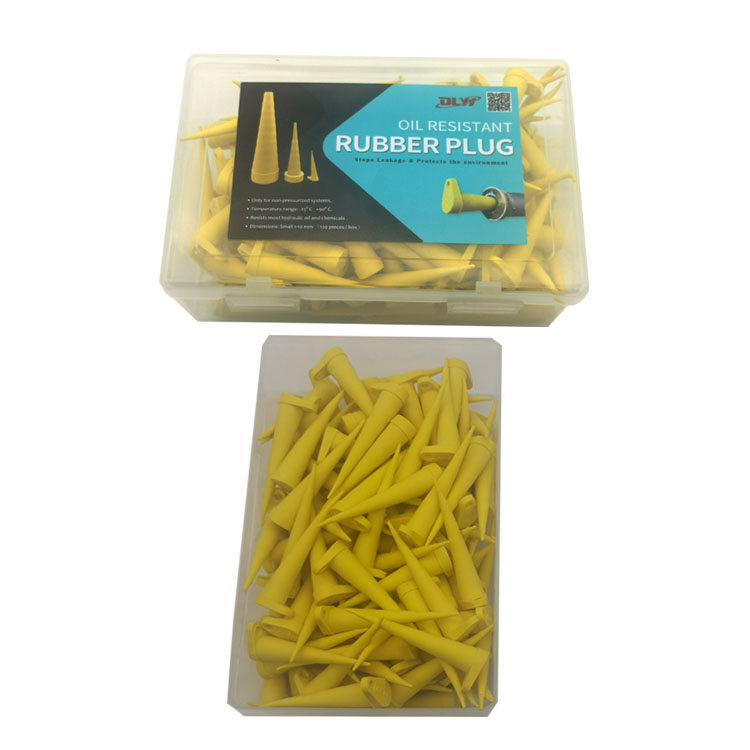
Definition and Characteristics of Expandable Rubber Plugs
Expandable rubber plugs are specialized sealing devices predominantly crafted from either natural or synthetic rubber compounds. These plugs exhibit a remarkable capacity to swiftly expand when exposed to specific conditions, thereby enhancing their sealing capabilities. The expansion mechanism typically involves the incorporation of substances within the rubber matrix that undergo physical or chemical transformations upon encountering external media, leading to a significant increase in volume.
Key Characteristics
High Expansion Rate: One of the most notable attributes of these plugs is their ability to expand to several times their original volume. This expansion is crucial for effectively filling sealing gaps and improving overall seal performance.
Good Chemical Resistance: Expandable rubber plugs are available in various types of rubber formulations, each tailored to withstand exposure to acids, alkalis, oils, and other harsh chemicals. This makes them suitable for use in challenging environments.
Temperature Adaptability: These plugs maintain their expansion performance and sealing effectiveness across a wide temperature range. This adaptability is vital for applications where temperature fluctuations are common.
Ease of Installation: One of the practical advantages of expandable rubber plugs is their ease of installation. They require no additional tools or equipment; simply placing them in the desired position allows them to expand upon contact with the medium.
Long Lifespan: Under normal use conditions, these plugs offer a long service life, reducing the frequency of maintenance and replacement.
Environmental Safety: Made from eco-friendly materials, expandable rubber plugs comply with international environmental standards. This makes them suitable for applications in the food and medical industries, where high safety requirements are paramount.
Factors Influencing Expansion Rate
Several factors can influence the expansion rate of rubber plugs, including the type of rubber used, the material formulation, and the specific conditions under which they are deployed. For example, ethylene propylene diene monomer (EPDM) rubber, a widely used synthetic rubber, typically exhibits an expansion rate ranging from 10% to 15%.
The choice of rubber material is critical as it determines the plug's response to different media and environmental conditions. Synthetic rubbers, such as EPDM, nitrile (NBR), and silicone, offer varying degrees of chemical resistance, temperature stability, and elasticity, which directly impact the expansion rate.
Furthermore, the formulation of the rubber material, including the addition of fillers, plasticizers, and cross-linking agents, can significantly affect the expansion characteristics. Manufacturers carefully balance these components to achieve the desired expansion rate while maintaining other essential properties like durability and flexibility.
The specific conditions under which the rubber plugs are used, such as the type and concentration of the medium, temperature, and pressure, also play a crucial role. For instance, exposure to high temperatures may accelerate the expansion process, while certain chemicals can inhibit or enhance the expansion rate.
Measurement of Volume Expansion
Accurate measurement of the volume expansion of rubber plugs is essential for ensuring their performance in sealing applications. Standard methods involve precise measurement techniques to determine the expansion rate accurately.
The process begins with preparing accurate measurement equipment, such as calipers, micrometers, or specialized volume measurement devices. The rubber plug is then positioned securely to ensure consistent and accurate measurements.
Before applying pressure or exposing the plug to the medium, its initial volume is recorded. Subsequently, the plug is subjected to the specified conditions, and the volume is measured again after the expansion has occurred.
The difference in volume before and after exposure is calculated to determine the expansion rate. This information is crucial for understanding how the plug will perform in real-world applications and for selecting the appropriate plug for a given sealing task.
Practical Applications
In practical applications, the expansion rate of rubber plugs is a critical factor in ensuring reliable sealing. For example, in the automotive industry, rubber tubes used in brake lines must undergo rigorous testing to ensure they do not expand excessively under pressure. Excessive expansion could compromise the braking system's integrity and pose a safety hazard.
Similarly, in the petrochemical industry, rubber plugs are used in piping systems to prevent leaks and ensure the safe transportation of hazardous materials. The expansion rate of these plugs is carefully controlled to ensure they can accommodate thermal expansion and contraction of the pipes without compromising the seal.
In construction applications, expandable rubber plugs are used to seal joints and gaps in buildings and infrastructure. Their ability to expand and contract with temperature changes makes them ideal for maintaining a watertight and airtight seal, preventing moisture infiltration and energy loss.
Understanding the expansion rates of rubber plugs is vital for selecting the appropriate type of plug for a given application. This involves a thorough consideration of the specific characteristics of the rubber material, the expected operating conditions, and the required sealing performance.
By carefully evaluating these factors, one can ensure that the rubber plug will function effectively and reliably in its intended environment. Whether in the automotive, petrochemical, construction, or any other industry, the proper selection and use of expandable rubber plugs can significantly enhance the performance and safety of sealing applications.
In summary, expandable rubber plugs offer a versatile and effective sealing solution for a wide range of industries. Their ability to expand and adapt to different conditions makes them an indispensable component in ensuring the integrity and safety of various systems and structures. By understanding and carefully controlling their expansion rates, we can harness the full potential of these innovative sealing devices.
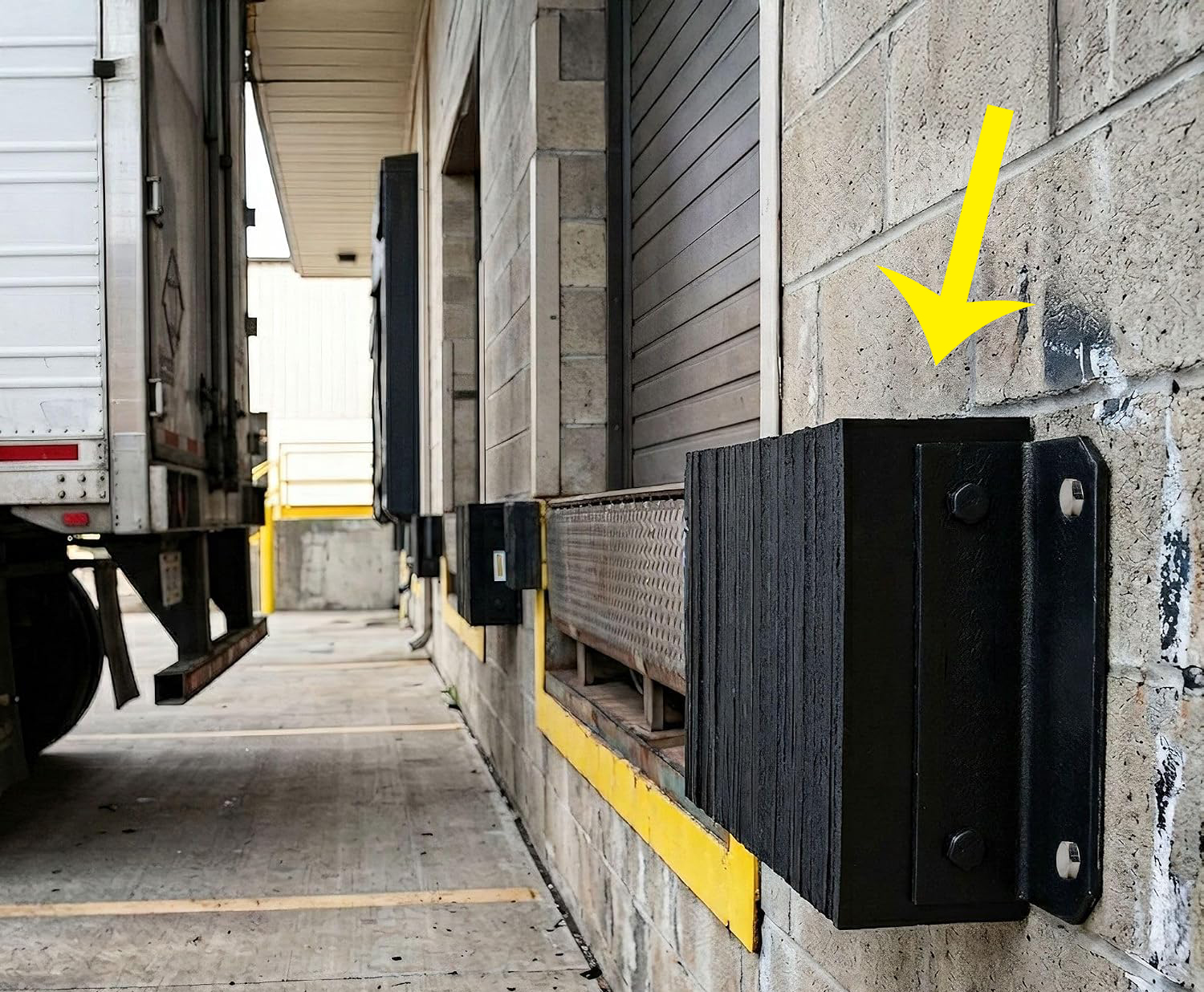 Rubber Laminated Loading Dock Bumper with Steel Angle: 5 Field Failure Signs That Point Back to the RFQ
 Bridge Bearing Pad Field Failure: 5 Visual Signs Before It Retires (And What Caused It)
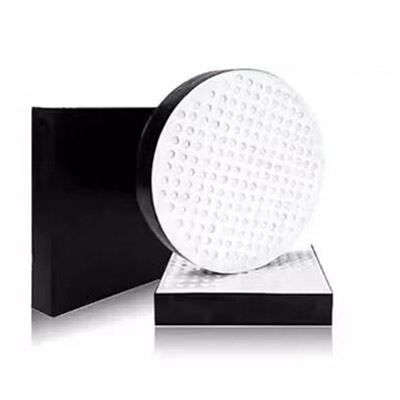 Bridge Bearing Pad RFQ Checklist: 9 Lines That Stop Suppliers From Subbing the Rubber
 Laminated Rubber Bearing: Maintenance and Inspection Protocols