
Rubber plugs, despite their simple appearance, play a crucial role in various industries, ranging from automotive to aerospace, and from plumbing to chemical processing. In aggressive environments, where factors such as extreme temperatures, chemical exposure, and mechanical stress are prevalent, the performance of rubber plugs becomes even more critical. Optimizing their design, material selection, and maintenance can significantly enhance their durability and reliability. This article delves into the strategies for optimizing rubber plug performance in aggressive environments, focusing on design considerations, material choices, and maintenance practices.
The design of a rubber plug is fundamental to its performance in aggressive environments. A well-designed plug not only fits perfectly but also withstands the harsh conditions it is exposed to. Here are some key design considerations:
Shape and Size: The shape and size of the rubber plug must match the application requirements precisely. A poorly fitting plug can lead to leaks, premature wear, or even failure. Designers should consider the dimensions of the opening, the pressure it needs to withstand, and the type of fluids or gases it will be sealing.
Compression Set: Compression set is a measure of how a rubber material permanently deforms when subjected to constant compression over time. In aggressive environments, a rubber plug with low compression set is desirable as it maintains its sealing properties even under prolonged stress.
Durometer (Hardness): The durometer of the rubber plug affects its ability to resist deformation and withstand mechanical stress. A plug with too low a durometer may extrude or tear, while one with too high a durometer may be brittle and prone to cracking. The optimal durometer depends on the specific application and the conditions it will be subjected to.
Surface Finish: The surface finish of the rubber plug can influence its sealing capabilities. A smooth, even surface is more likely to create a tight seal than a rough or uneven one. Designers should consider the surface finish of both the plug and the mating surface to ensure compatibility.
Material Choices
The choice of rubber material is perhaps the most critical factor in determining the performance of a rubber plug in aggressive environments. Different rubber compounds offer varying levels of resistance to temperature, chemicals, and mechanical stress. Here are some common rubber materials and their properties:
Nitrile Rubber (NBR): Nitrile rubber is known for its excellent resistance to oils, fuels, and many chemicals. It is a popular choice for applications in the automotive and aerospace industries. However, it has limited resistance to ozone and weathering.
Ethylene Propylene Diene Monomer (EPDM): EPDM rubber is highly resistant to weathering, ozone, and UV radiation. It also has good resistance to polar solvents and acids. However, it is not suitable for use with oils and fuels.
Fluoroelastomers (FKM): Fluoroelastomers, also known as Viton, offer exceptional resistance to high temperatures, chemicals, and oils. They are ideal for applications in the chemical processing and petrochemical industries. However, they are more expensive than other rubber materials.
Silicone Rubber: Silicone rubber is known for its high-temperature resistance, excellent flexibility, and good resistance to ozone and weathering. It is often used in medical and food processing applications. However, it has limited resistance to oils and fuels.
When selecting a rubber material for a plug, designers should consider the specific conditions it will be exposed to, including the type of chemicals, the temperature range, and the mechanical stress. They should also consider the cost and availability of the material.
Maintenance Practices
Even the best-designed rubber plug, made from the most suitable material, will not perform well if it is not properly maintained. Regular inspection and maintenance are essential to ensure the longevity and reliability of rubber plugs in aggressive environments. Here are some maintenance practices to follow:
Regular Inspection: Rubber plugs should be inspected regularly for signs of wear, tear, or damage. Any visible damage, such as cracks, cuts, or deformations, should be addressed immediately to prevent leaks or failures.
Cleaning: Rubber plugs should be cleaned regularly to remove dirt, debris, and chemicals that can degrade the material over time. The cleaning method will depend on the type of rubber and the contaminants present. In some cases, a mild detergent and water may be sufficient, while in others, a specialized cleaning agent may be required.
Lubrication: In applications where the rubber plug is subjected to mechanical stress, such as repeated insertion and removal, lubrication can help reduce friction and wear. The choice of lubricant will depend on the type of rubber and the conditions it is exposed to.
Storage: When not in use, rubber plugs should be stored in a cool, dry place away from direct sunlight and sources of heat. Exposure to UV radiation and high temperatures can accelerate the aging process of rubber materials.
Replacement: Despite the best efforts at design, material selection, and maintenance, rubber plugs will eventually wear out and need to be replaced. The replacement interval will depend on the specific application and the conditions the plug is exposed to. Designers should establish a replacement schedule based on the expected lifespan of the plug and monitor its performance over time.
Optimizing the performance of rubber plugs in aggressive environments requires a holistic approach that considers design, material selection, and maintenance. By carefully designing the plug to fit the application requirements, selecting the most suitable rubber material, and following best practices for maintenance, designers can ensure the longevity and reliability of rubber plugs in even the harshest conditions. Whether in the automotive, aerospace, plumbing, or chemical processing industries, rubber plugs play a vital role in ensuring the safe and efficient operation of equipment and systems. By paying attention to the details and adopting a proactive approach to maintenance, we can maximize the performance of these unsung heroes of industrial applications.
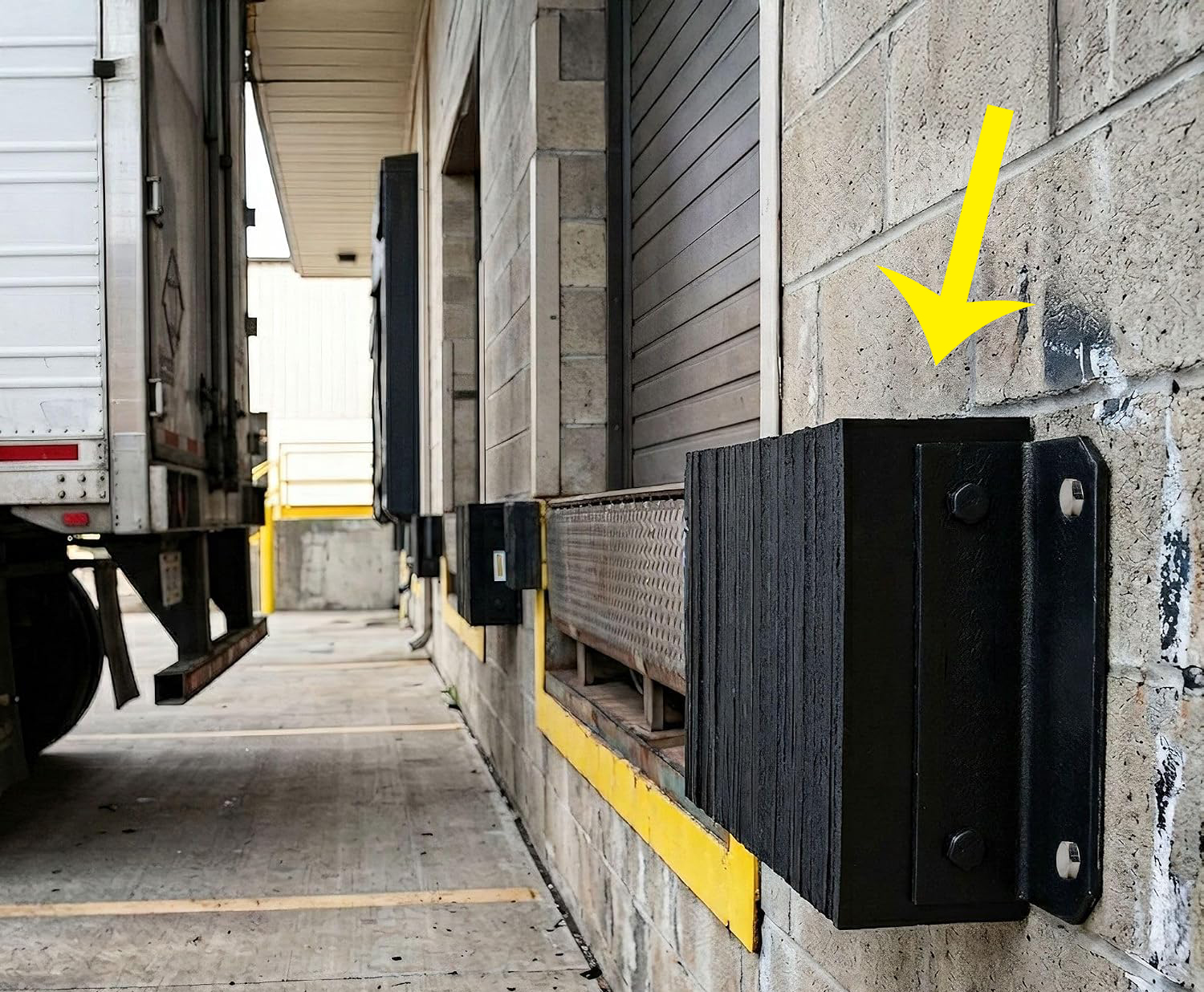 Rubber Laminated Loading Dock Bumper with Steel Angle: 5 Field Failure Signs That Point Back to the RFQ
 Bridge Bearing Pad Field Failure: 5 Visual Signs Before It Retires (And What Caused It)
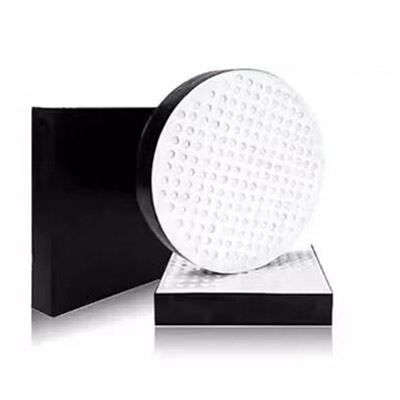 Bridge Bearing Pad RFQ Checklist: 9 Lines That Stop Suppliers From Subbing the Rubber
 Laminated Rubber Bearing: Maintenance and Inspection Protocols