
Rubber plugs are ubiquitous in various industries, serving as essential components in sealing applications. Whether it's in automotive, aerospace, plumbing, or any other field that requires reliable sealing solutions, rubber plugs play a critical role. One of the key properties that make rubber plugs effective is their compression recovery capability. This article delves into the intricacies of rubber plug compression recovery, exploring its mechanisms, factors influencing it, and its significance in practical applications.
The Basics of Rubber Plug Compression Recovery
Compression recovery refers to the ability of a rubber plug to return to its original shape and size after being subjected to compressive forces. When a rubber plug is compressed, it undergoes deformation, which can be either elastic or plastic. Elastic deformation is reversible, meaning the rubber plug can regain its original form once the compressive force is removed. On the other hand, plastic deformation is permanent, leading to a change in the plug's shape even after the force is relieved.
For rubber plugs to function effectively as seals, they must exhibit predominantly elastic deformation. This ensures that they can repeatedly compress and recover without losing their sealing properties. The compression recovery of a rubber plug is influenced by several factors, including the material composition, manufacturing process, and operational conditions.
Material Composition and Compression Recovery
The material from which a rubber plug is made significantly affects its compression recovery capabilities. Different rubber materials have varying degrees of elasticity and resilience. For instance, natural rubber and synthetic rubbers like styrene-butadiene rubber (SBR) or nitrile rubber (NBR) exhibit good elastic properties, making them suitable for applications requiring high compression recovery.
The cross-linking density of the rubber material also plays a crucial role. Cross-linking is a chemical process that links rubber molecules together, forming a three-dimensional network. A higher cross-linking density generally results in increased stiffness and reduced elongation, but it can enhance the rubber's ability to recover from compression. However, an excessively high cross-linking density can make the rubber brittle and prone to cracking.
Furthermore, the addition of fillers, such as carbon black or silica, can impact the compression recovery of rubber plugs. Fillers reinforce the rubber matrix, improving its mechanical properties and wear resistance. However, they can also affect the rubber's elasticity and compression recovery if not properly balanced.
Manufacturing Process and Compression Recovery
The manufacturing process of rubber plugs is another critical factor influencing their compression recovery. The molding process, in particular, can significantly affect the rubber's physical properties. Proper molding techniques, such as injection molding or compression molding, ensure that the rubber material is evenly distributed and properly cured.
Curing is a vital step in the manufacturing process, where the rubber material undergoes a chemical reaction to form cross-links. The curing conditions, including temperature, pressure, and time, must be carefully controlled to achieve the desired level of cross-linking and compression recovery. Inadequate curing can result in a rubber plug with poor elastic properties and reduced compression recovery.
Additionally, the post-curing process, such as annealing or stress relief, can further improve the compression recovery of rubber plugs. These processes help to relieve internal stresses and stabilize the rubber's molecular structure, enhancing its ability to recover from compression.
Operational Conditions and Compression Recovery
The operational conditions under which a rubber plug is used can also impact its compression recovery. Factors such as temperature, pressure, and exposure to chemicals or fluids can affect the rubber's physical and chemical properties over time.
Temperature fluctuations can cause the rubber material to expand or contract, leading to changes in its shape and size. If the temperature exceeds the rubber's operating range, it can result in permanent deformation or even degradation of the material. Therefore, it is essential to select a rubber material that can withstand the expected temperature range in the application.
Pressure variations can also affect the compression recovery of rubber plugs. Excessive pressure can cause the rubber to undergo plastic deformation, reducing its ability to recover from compression. On the other hand, insufficient pressure may not provide adequate sealing, compromising the performance of the rubber plug.
Exposure to chemicals or fluids can have a detrimental effect on the rubber's compression recovery. Some chemicals can react with the rubber material, causing it to swell, harden, or soften. This can alter the rubber's elastic properties and reduce its ability to recover from compression. Therefore, it is crucial to choose a rubber material that is compatible with the specific chemicals or fluids it will be exposed to.
Significance of Compression Recovery in Practical Applications
The compression recovery of rubber plugs is of utmost importance in practical applications. In sealing applications, for example, rubber plugs must maintain their shape and size to provide a tight seal and prevent leakage. If a rubber plug fails to recover from compression, it can result in a loss of sealing effectiveness, leading to potential safety hazards and operational inefficiencies.
In automotive applications, rubber plugs are used in various components, such as engine gaskets, oil seals, and brake systems. The ability of these plugs to recover from compression ensures that they maintain their sealing properties, preventing oil leaks, coolant loss, and brake fluid contamination.
In the aerospace industry, rubber plugs are used in sealing applications for aircraft engines, fuel systems, and hydraulic systems. The reliability of these seals is critical to the safety and performance of the aircraft. Therefore, rubber plugs with excellent compression recovery capabilities are essential to ensure the integrity of the sealing systems.
In plumbing applications, rubber plugs are used to seal pipes and fittings, preventing water leaks and ensuring the efficient operation of plumbing systems. The compression recovery of these plugs is crucial to maintaining the seal's integrity over time, even under varying pressure and temperature conditions.
In conclusion, rubber plug compression recovery is a vital property that determines the effectiveness of rubber plugs in sealing applications. The material composition, manufacturing process, and operational conditions all play significant roles in influencing the compression recovery of rubber plugs. Understanding these factors and their impact on compression recovery is essential for selecting the right rubber material and manufacturing process to meet the specific requirements of an application.
By ensuring that rubber plugs exhibit good compression recovery capabilities, we can enhance the reliability and performance of sealing systems in various industries. This, in turn, contributes to improved safety, efficiency, and operational integrity. As technology advances and new materials and manufacturing processes emerge, the understanding and application of rubber plug compression recovery will continue to evolve, meeting the ever-growing demands of modern industries.
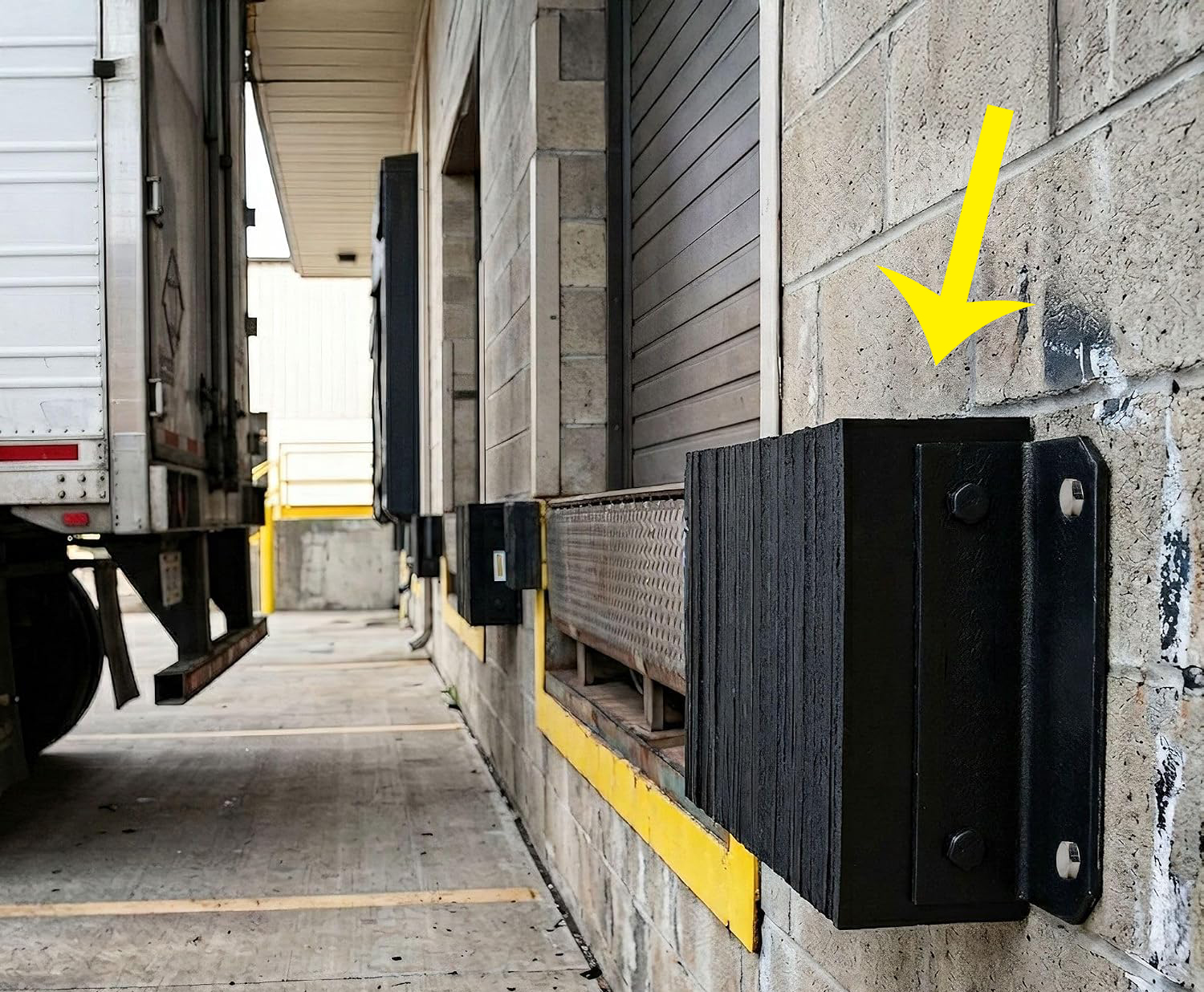 Rubber Laminated Loading Dock Bumper with Steel Angle: 5 Field Failure Signs That Point Back to the RFQ
 Bridge Bearing Pad Field Failure: 5 Visual Signs Before It Retires (And What Caused It)
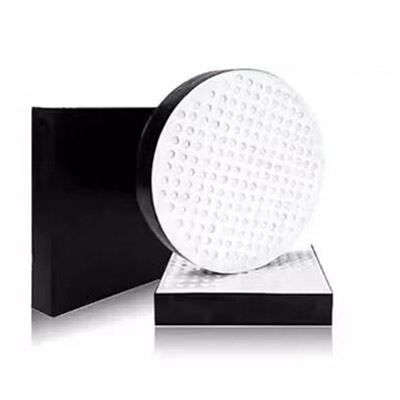 Bridge Bearing Pad RFQ Checklist: 9 Lines That Stop Suppliers From Subbing the Rubber
 Laminated Rubber Bearing: Maintenance and Inspection Protocols