
Pneumatic systems are integral to various industries, ranging from automotive and manufacturing to aerospace and healthcare. These systems rely on compressed air to power tools, actuate valves, and control processes. One seemingly insignificant yet crucial component in pneumatic systems is the rubber plug. Despite its small size and simple appearance, the rubber plug plays a vital role in ensuring the efficiency, reliability, and safety of pneumatic operations. This article delves into the multifaceted role of rubber plugs in pneumatic systems, exploring their functions, materials, design considerations, and the impact they have on overall system performance.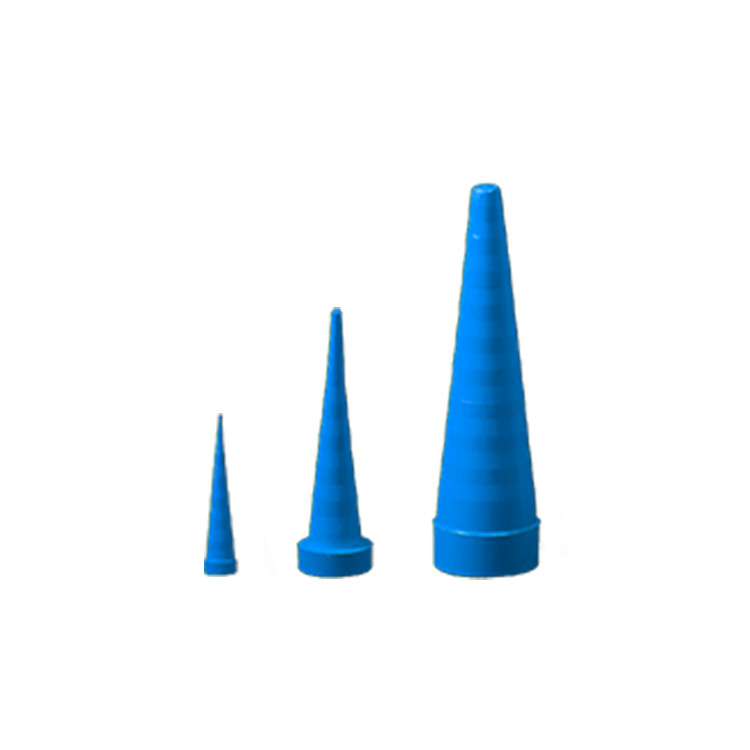
Functions of Rubber Plugs in Pneumatic Systems
Rubber plugs serve several essential functions in pneumatic systems. Primarily, they act as sealing devices, preventing the leakage of compressed air. In pneumatic cylinders, for instance, rubber plugs are used to seal the ends of the cylinder, ensuring that the compressed air remains contained within the cylinder and drives the piston forward. Without an effective seal, the compressed air would escape, rendering the cylinder ineffective and reducing the system's efficiency.
In addition to sealing, rubber plugs also function as check valves in some pneumatic circuits. A check valve allows air to flow in one direction only, preventing backflow and maintaining the desired pressure in the system. Rubber plugs, designed with precision, can act as one-way valves, permitting air to enter a chamber but blocking its exit once the pressure reaches a certain level. This functionality is crucial in maintaining the integrity of the pneumatic system and ensuring that operations proceed smoothly.
Furthermore, rubber plugs are employed as dampers in pneumatic systems. They absorb shocks and vibrations, protecting the system components from damage. In applications where pneumatic tools or actuators operate at high speeds or under heavy loads, the sudden release of compressed air can cause significant impacts and vibrations. Rubber plugs, with their inherent elasticity and damping properties, help mitigate these effects, extending the lifespan of the system components and enhancing overall reliability.
Materials Used for Rubber Plugs
The choice of material for rubber plugs is critical, as it directly affects their performance and durability. Several factors, including the operating pressure, temperature range, chemical exposure, and abrasion resistance, must be considered when selecting the appropriate material.
One commonly used material for rubber plugs is natural rubber. Known for its excellent elasticity and sealing properties, natural rubber is ideal for applications where a tight seal is essential. However, it may not be suitable for environments where exposure to oils, solvents, or high temperatures is expected, as these factors can degrade the rubber over time.
Synthetic rubbers, such as nitrile (NBR), neoprene, and silicone, offer a wider range of properties and are often preferred for their resistance to specific chemicals, temperatures, and abrasion. Nitrile rubber, for example, is highly resistant to oils and fuels, making it suitable for automotive and industrial applications. Neoprene, on the other hand, exhibits good resistance to ozone, sunlight, and weathering, making it ideal for outdoor use. Silicone rubber is known for its high-temperature resistance and excellent flexibility, making it suitable for applications where extreme temperatures are a concern.
The selection of the material for rubber plugs must balance the required properties with the cost and availability of the material. In some cases, a custom blend of rubber compounds may be necessary to meet the specific requirements of a pneumatic system.
Design Considerations for Rubber Plugs
The design of rubber plugs is another crucial aspect that influences their performance in pneumatic systems. Several design considerations must be taken into account to ensure that the rubber plugs function effectively and reliably.
One of the primary design considerations is the shape and size of the rubber plug. The plug must fit snugly within its housing to provide an effective seal. A loose-fitting plug can allow air to leak, while an overly tight fit can cause excessive wear and tear, leading to premature failure. The shape of the plug, whether it is round, square, or rectangular, must also be compatible with the housing and the application requirements.
Another design consideration is the durometer, or hardness, of the rubber. The durometer affects the plug's ability to seal, dampen vibrations, and withstand pressure. A softer rubber may provide a better seal but may be more prone to wear and tear. A harder rubber, on the other hand, may be more durable but less effective at sealing and damping. The optimal durometer must be determined based on the specific application and operating conditions.
The surface finish of the rubber plug is also important. A smooth surface finish can reduce friction and wear, while a textured surface may provide better grip and sealing. The choice of surface finish depends on the application requirements and the materials in contact with the plug.
Impact on System Performance
The role of rubber plugs in pneumatic systems extends beyond their individual functions. They have a significant impact on the overall performance of the system. Effective sealing, provided by well-designed and properly material-selected rubber plugs, ensures that the compressed air is utilized efficiently, reducing energy consumption and operational costs.
Moreover, the damping properties of rubber plugs contribute to the smooth operation of pneumatic tools and actuators. By absorbing shocks and vibrations, rubber plugs help reduce noise and prevent damage to system components, leading to increased reliability and longer lifespan.
In applications where precise control of air flow and pressure is critical, the check valve function of rubber plugs ensures that the pneumatic system operates as intended. This precise control is essential in applications such as automation, where the timing and sequence of operations must be maintained to achieve the desired outcomes.
Lastly, the durability and resistance of rubber plugs to various environmental factors, such as temperature, chemicals, and abrasion, contribute to the long-term performance of the pneumatic system. A reliable and long-lasting rubber plug reduces the need for frequent replacements and maintenance, further lowering operational costs and downtime.
In conclusion, rubber plugs play a multifaceted and crucial role in pneumatic systems. They function as seals, check valves, and dampers, ensuring the efficiency, reliability, and safety of pneumatic operations. The choice of material and design considerations for rubber plugs are vital in determining their performance and durability. Effective rubber plugs contribute to the overall performance of the pneumatic system, reducing energy consumption, operational costs, and downtime. As pneumatic systems continue to evolve and advance, the importance of rubber plugs in their operation cannot be overstated.
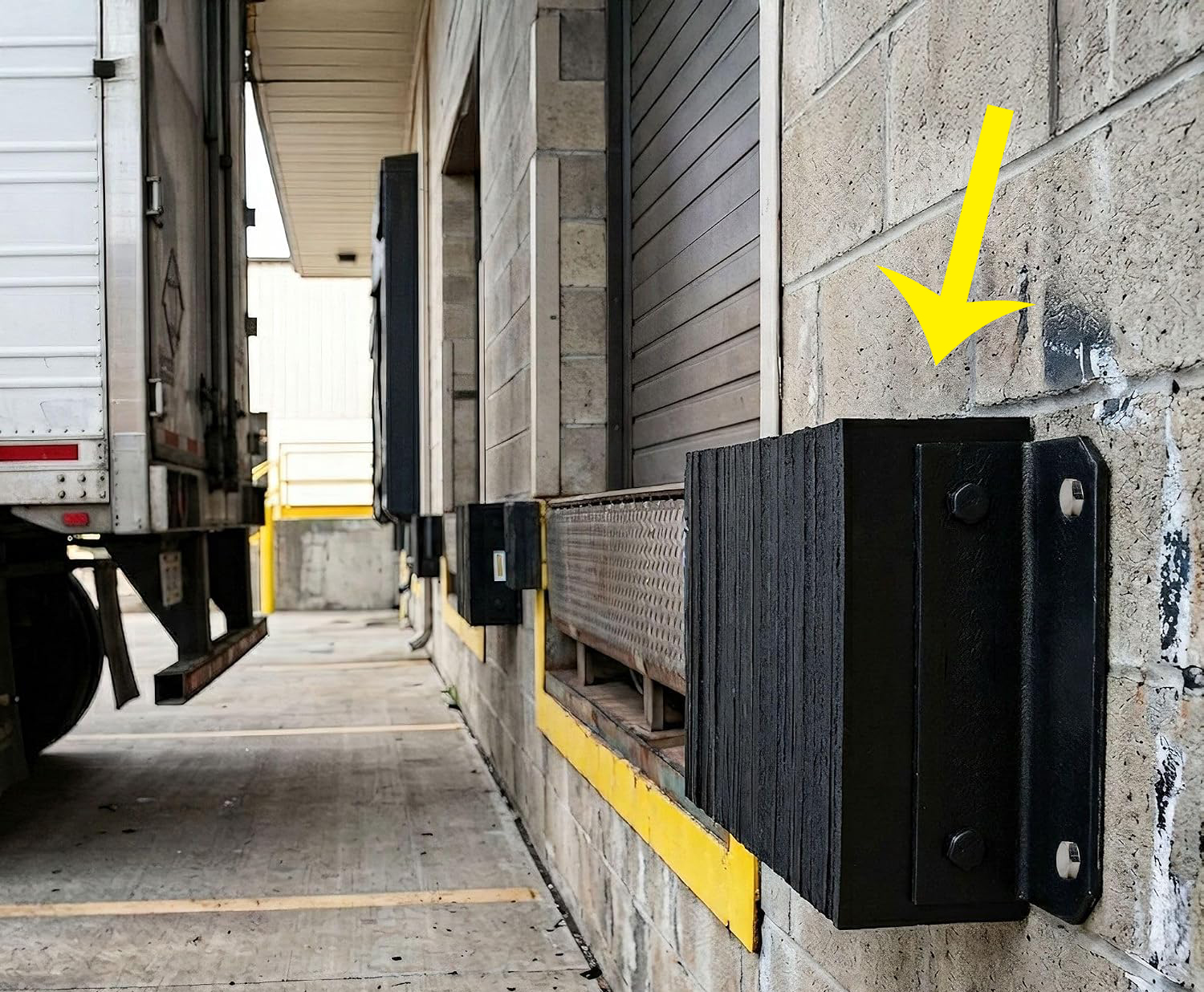 Rubber Laminated Loading Dock Bumper with Steel Angle: 5 Field Failure Signs That Point Back to the RFQ
 Bridge Bearing Pad Field Failure: 5 Visual Signs Before It Retires (And What Caused It)
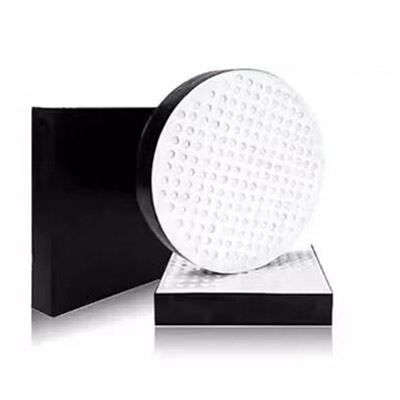 Bridge Bearing Pad RFQ Checklist: 9 Lines That Stop Suppliers From Subbing the Rubber
 Laminated Rubber Bearing: Maintenance and Inspection Protocols