
Rubber plugs, though seemingly unassuming, play a crucial role in various industries, from automotive to plumbing, and even in everyday household applications. These small, often overlooked components are essential for sealing, protecting, and ensuring the proper functioning of numerous devices and systems. With the multitude of manufacturers producing rubber plugs, it becomes imperative to understand the differences in their products, as these variations can significantly impact performance, durability, and overall effectiveness.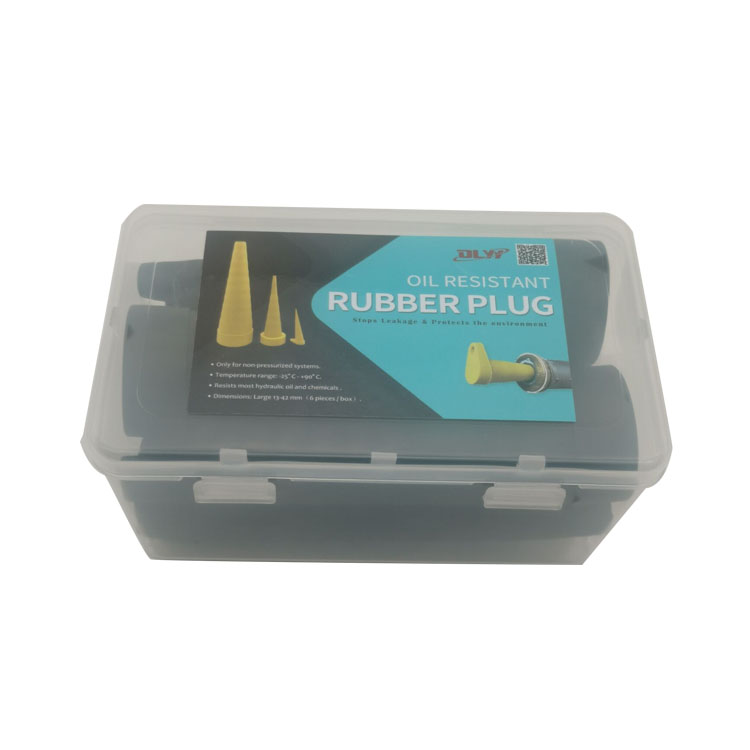
When comparing rubber plugs from different manufacturers, several factors must be considered. These include the material composition, design and dimensions, manufacturing processes, quality control measures, and, of course, the intended application. Each of these aspects contributes to the overall quality and suitability of the rubber plug for its intended use.
Material Composition
The material composition of a rubber plug is perhaps the most critical factor influencing its performance. Different manufacturers may use various types of rubber, each with its own set of properties and characteristics. For instance, some rubber plugs are made from natural rubber, known for its elasticity and resistance to tears. Others may be made from synthetic rubbers like neoprene, which offers excellent oil and chemical resistance, or silicone, which is highly heat-resistant and flexible.
The choice of material affects not only the plug's durability but also its ability to withstand specific environmental conditions. For example, a rubber plug used in an automotive application may need to withstand high temperatures and exposure to oils and fuels. In contrast, a plug used in a plumbing application may need to be resistant to water and common household chemicals. Therefore, when comparing rubber plugs, it is essential to consider the material composition and how it aligns with the intended application.
Design and Dimensions
The design and dimensions of a rubber plug are also crucial factors to consider. Manufacturers may offer plugs in various shapes and sizes, each tailored to fit specific openings or applications. A well-designed plug should fit securely in its intended opening, providing an effective seal without being too tight or too loose.
Dimensions are particularly important when it comes to ensuring a proper fit. A plug that is too small may not provide an adequate seal, while a plug that is too large may be difficult to insert or may damage the opening it is intended to seal. Therefore, when comparing rubber plugs, it is essential to carefully review the dimensions provided by the manufacturer and ensure they match the requirements of the application.
Manufacturing Processes
The manufacturing processes used to produce rubber plugs can also impact their quality and performance. Some manufacturers may use advanced molding techniques to create plugs with precise dimensions and consistent material thickness. Others may employ less sophisticated methods, resulting in plugs with varying dimensions or material inconsistencies.
The manufacturing process can also affect the plug's surface finish. A smooth, even surface is less likely to harbor dirt or debris, which could compromise the seal. In contrast, a rough or uneven surface may provide a less effective seal and be more prone to wear and tear. When comparing rubber plugs, it is important to consider the manufacturing processes used and how they may impact the plug's overall quality and performance.
Quality Control Measures
Quality control measures are another critical aspect to consider when comparing rubber plugs from different manufacturers. A reputable manufacturer will have rigorous quality control processes in place to ensure that each plug meets the specified dimensions, material composition, and performance standards.
Quality control measures may include visual inspections, dimensional checks, and material testing. These processes help to identify and reject any plugs that do not meet the required standards, ensuring that only high-quality products are shipped to customers. When choosing a rubber plug, it is important to select a manufacturer with a strong commitment to quality control, as this can help to ensure the reliability and longevity of the product.
Intended Application
Finally, the intended application of the rubber plug is a crucial factor to consider when making a comparison. Different applications may have unique requirements in terms of material composition, design, dimensions, and performance. For example, a rubber plug used in a high-pressure application may need to be made from a material with high tensile strength and resistance to deformation.
Understanding the intended application can help to guide the selection process and ensure that the chosen rubber plug is well-suited to the task at hand. It is important to communicate the specific requirements of the application to the manufacturer or supplier to ensure that the correct plug is selected.
In conclusion, comparing rubber plugs from different manufacturers involves considering several factors, including material composition, design and dimensions, manufacturing processes, quality control measures, and the intended application. By carefully evaluating these aspects, it is possible to select a rubber plug that meets the specific needs of the application and provides reliable, long-lasting performance.
When choosing a rubber plug, it is essential to prioritize quality and performance over cost. While a cheaper plug may seem like an attractive option, it may not provide the same level of durability, reliability, or effectiveness as a higher-quality product. Investing in a high-quality rubber plug can help to ensure the proper functioning of the device or system it is intended to seal, ultimately saving time, money, and potential headaches down the line.
In summary, rubber plugs may be small and unassuming, but they play a vital role in many industries and applications. By carefully comparing products from different manufacturers and considering the factors outlined above, it is possible to select a rubber plug that meets the specific needs of the application and provides reliable, long-lasting performance.
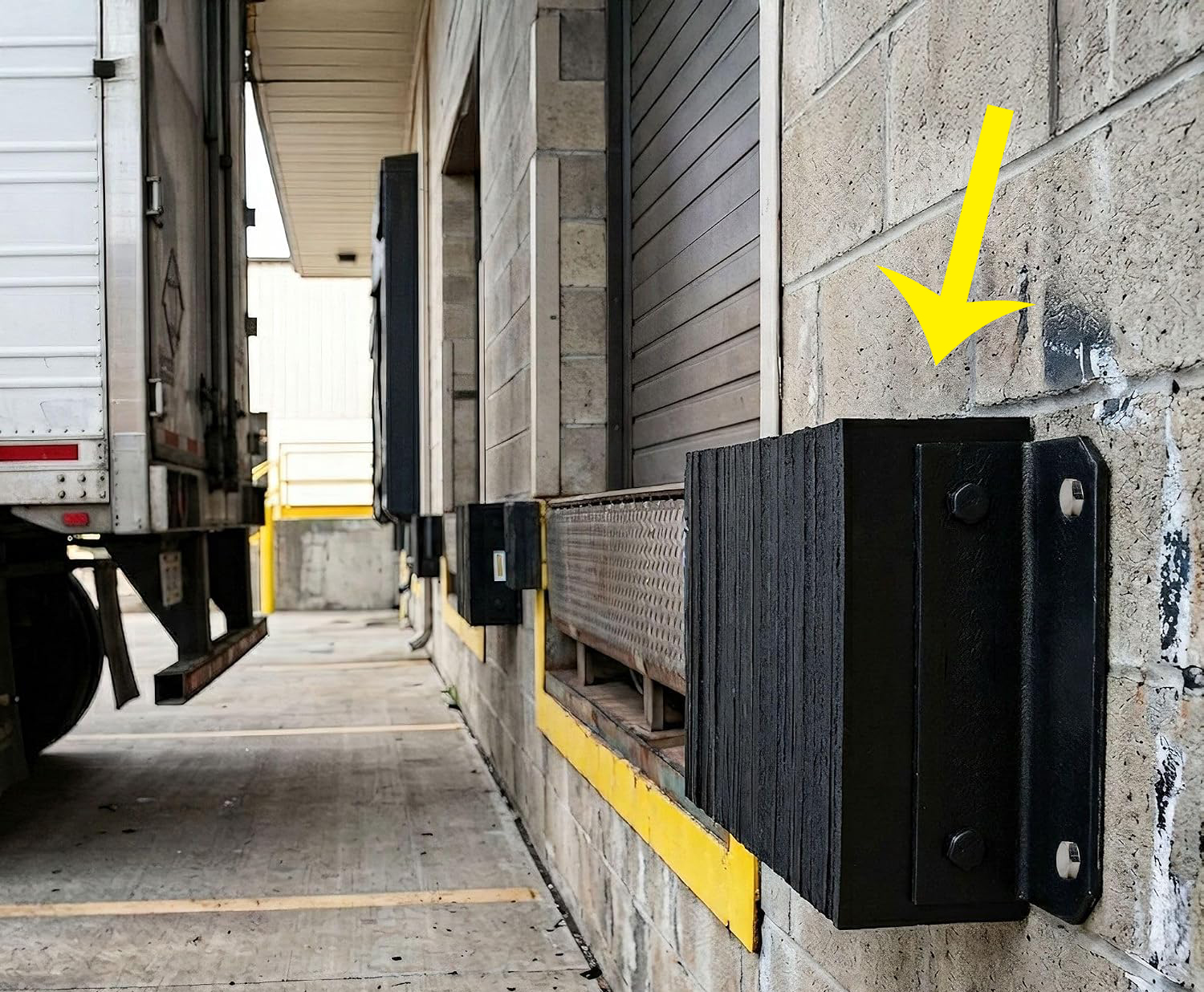 Rubber Laminated Loading Dock Bumper with Steel Angle: 5 Field Failure Signs That Point Back to the RFQ
 Bridge Bearing Pad Field Failure: 5 Visual Signs Before It Retires (And What Caused It)
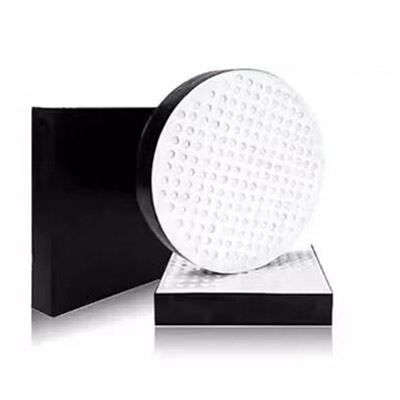 Bridge Bearing Pad RFQ Checklist: 9 Lines That Stop Suppliers From Subbing the Rubber
 Laminated Rubber Bearing: Maintenance and Inspection Protocols